Pollster Advises GOP to Impose Conditions on AI Data Centers
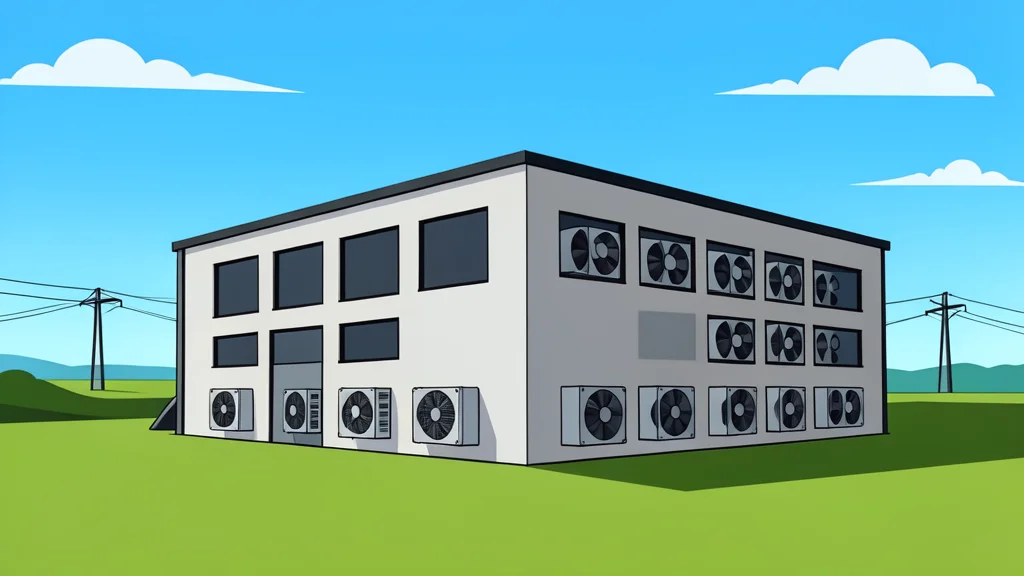
A new memo advises Republican candidates to shift from defending data center expansion to demanding enforceable community protections, citing high voter opposition to unconditional support.
Tony Fabrizio, the longtime pollster for President Donald Trump, has issued a strategic warning to Republican candidates ahead of the midterms. In a two-page messaging memo, he argues that offering unconditional support for artificial intelligence data center construction is a political liability. The advice stems from polling data suggesting that voters are deeply skeptical of rapid infrastructure expansion when they fear the costs will be passed on to local communities.
The core of the guidance is a shift in rhetoric from defense to regulation. Fabrizio explicitly advises candidates to avoid the phrase "I support building more data centers," warning that opponents can weaponize such statements in campaign advertisements. Instead, he recommends framing the issue around enforceable requirements that protect residents, effectively turning the candidate from a defender of technology firms into an enforcer of public interest rules.
Shifting from defense to regulation
The memo outlines a three-step approach for handling questions about these facilities. First, candidates should validate local concerns, acknowledging that residents are right to worry about rising utility bills, grid strain, and water consumption. Second, they must draw a clear line, stating they will not support projects that force families to subsidize infrastructure or allow environmental damage. Third, they can advocate for construction only if companies pay for their own power and infrastructure, protect ratepayers, and accept legally enforceable accountability.
Fabrizio emphasizes that the order of this argument is critical. By starting with voter concerns rather than economic benefits, the strategy avoids asking residents to accept potential costs in exchange for promised job creation. This approach is designed to neutralize the narrative that data centers are a zero-sum game, instead positioning them as projects that must meet specific standards before they are allowed to proceed.
Polling shows conditional support is higher
The recommendation is backed by survey data indicating a significant gap in public opinion depending on how the question is framed. When asked about supporting data center construction without conditions, 65% of voters expressed opposition, compared to only 24% in favor. However, when the question includes requirements for community protection, support rises to 61%. This data suggests that voters are not against technology development itself, but rather against the lack of safeguards for their local resources and finances.
Trade-offs between growth and cost
The debate over AI infrastructure has become a prominent local political issue, with communities raising questions about energy consumption and water usage. While the administration continues to promote data center expansion as a driver of wealth and technological competition, the polling suggests that this broad pro-growth stance is losing ground in areas where the physical impact is felt. The catch for politicians is that advocating for rapid expansion without addressing these local costs risks alienating the very base that values economic stability.
GN auto tech/cloud: data center expansion highlights the tension between national technological goals and local resource constraints. The memo advises against relying on traditional arguments like job creation or competition with China, noting that these points are less effective when residents are facing immediate financial strains. The strategy is to make the approval of these projects contingent on the company covering its full environmental and financial footprint, thereby aligning corporate ambition with local political reality.