Japan Deploys Humanoid Robot Ambulance for Field Repairs
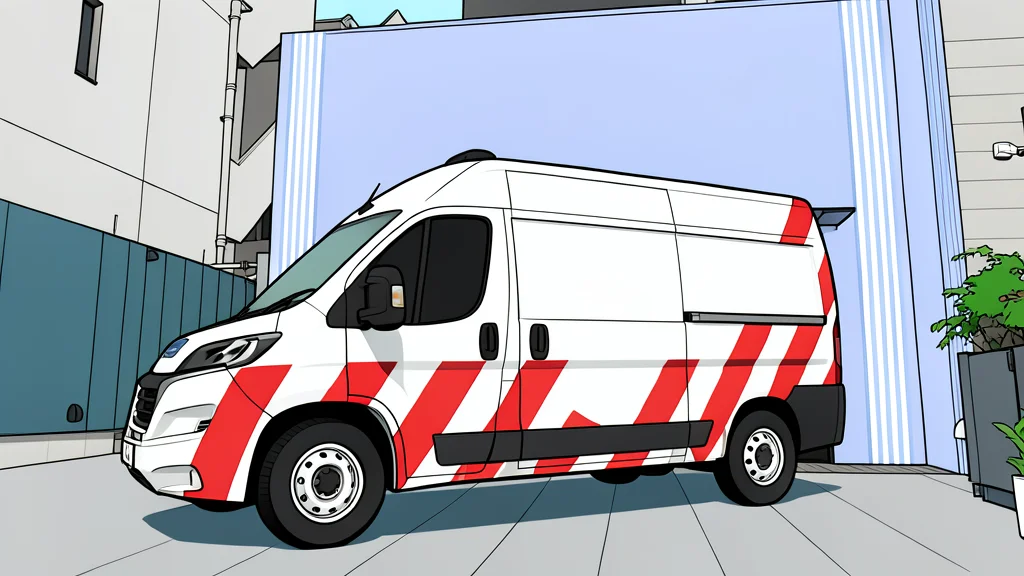
A purple van in Tokyo is not there to save people but to fix broken robots, marking a new approach to maintaining autonomous hardware in the field.
In Tokyo, a vehicle equipped with flashing lights is weaving through traffic, but it is not rushing to save a human life. Instead, the purple maintenance van is designed to respond to broken humanoid robots. GMO Internet Group has launched what it describes as Japan’s first dedicated service for on-the-spot repair of these machines, aiming to minimize downtime in public settings.
The service addresses a critical gap in the emerging robotics industry: what happens when a robot fails while working? Previously, damaged units had to be transported to a central facility, causing significant service interruptions. This new mobile unit carries diagnostic tools, spare parts, and engineers to the location of the breakdown, allowing for immediate assessment and repair.
Mobile Repair Units Replace Static Fixing
The core function of this van is to act as a mobile workshop. If a humanoid robot stops working on the street, the team can attempt to fix it right there. If the damage is too severe for a roadside repair, the van carries a backup humanoid unit. This spare robot can be swapped in to take over the duties of the broken one, ensuring that operations continue without a long wait for a replacement to be delivered.
This approach shifts the maintenance model from a passive, centralized system to an active, decentralized one. By bringing the repair shop to the robot, the company reduces the time the machine is out of service. This is particularly important for robots working in high-traffic areas where continuous operation is expected by the public and clients.
Limited Scope for Initial Deployment
However, this service is not a universal fix for all robotics in Japan. The ambulance is currently stationed only at GMO’s headquarters in Tokyo and is strictly for robots deployed by GMO AI & Robotics Trading. Dispatch decisions are made on a case-by-case basis, meaning it is not an emergency service available to any owner of a humanoid robot.
GMO does not manufacture the robots itself. Instead, it resells hardware from manufacturers like Unitree and provides the surrounding service infrastructure. The most prominent users of these machines are currently at Haneda Airport, where they assist with baggage handling. The company is investing in this support network because its business model relies on the reliability of the hardware it sells.
Strategic Move in Growing Market
Japan’s government has set ambitious targets for the robotics sector, aiming for a $135 billion domestic industry by 2040. While a single maintenance van does not significantly move these economic needles, it signals a maturing market. The industry is beginning to look beyond just building robots and is focusing on the logistics of keeping them running.
By building this support infrastructure now, companies are preparing for a future where humanoids are common. The trade-off is that this service is expensive and highly specialized. It is currently a niche solution for a specific corporate client, but it highlights the growing need for robust maintenance networks as autonomous machines become more integrated into daily life.