Rhode Island Weighs AI Training Against Data Center Costs
The state is building a workforce pipeline for artificial intelligence, but local resistance to data centers is testing whether the economic promise translates into public benefit.
Rhode Island is attempting to position itself as a hub for artificial intelligence by training workers and courting investment. However, this strategy is facing a practical hurdle: the physical infrastructure required to support AI, specifically data centers, is drawing scrutiny over power consumption, water usage, and tax incentives. The state is essentially betting that its educational push will outpace the logistical and political friction caused by the massive energy demands of the technology.
Since 2024, the state government has directed agencies to develop AI training opportunities for public employees and students. The resulting AI Action Plan recommends short-form credentials, apprenticeships, and the creation of physical and online hubs. While this creates a roadmap for skills development, it remains largely aspirational, lacking specific budget commitments or statewide targets for job placement. The real test begins now, as these plans move from policy documents into concrete university programs and local land-use disputes.
Training Pipelines Meet Uneven Adoption
The clearest progress is visible in higher education. The University of Rhode Island is launching certificates in AI engineering and business analytics for the 2026-27 academic year, alongside workshops and a mentoring lab. A draft workforce plan from the Governor’s Workforce Board, developed with Brown University researchers, identifies occupations with high exposure to AI. This analysis serves as an early warning system for potential job disruption, aiming to provide AI literacy and career pathways for vulnerable workers.
However, there is a significant gap between training and actual market demand. National data from the Census Bureau indicates that only 17% to 20% of U.S. businesses are currently using AI, a figure that rises to 37% for larger companies. This uneven adoption rate means that while Rhode Island is preparing a workforce, employers may not yet be ready to absorb the graduates. The success of these programs will depend on whether businesses can translate their current usage into a demand for the specialized skills being taught.
Infrastructure Costs Create Local Friction
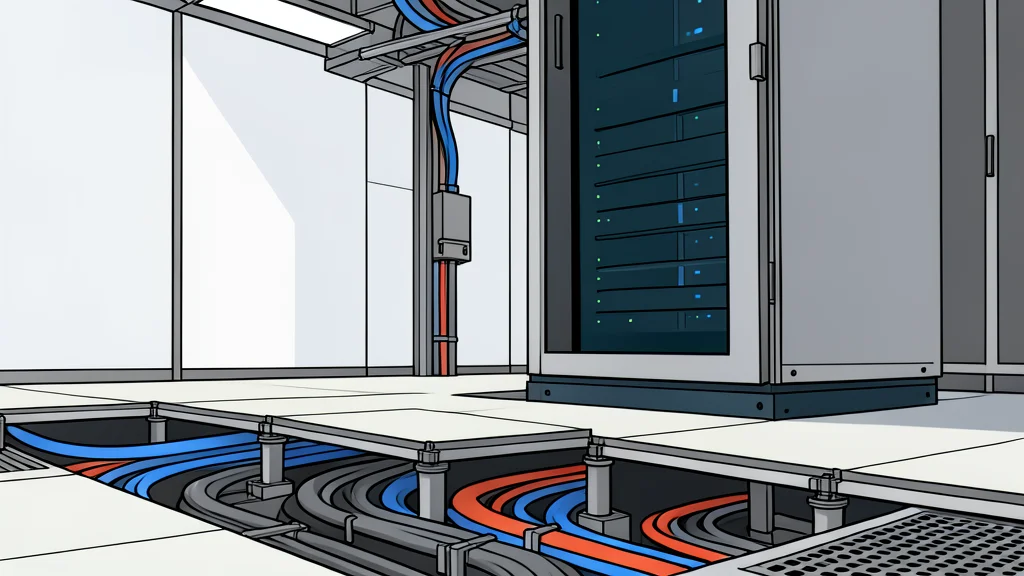
Unlike software development, which requires minimal physical footprint, data centers demand substantial investments in electricity, land, and cooling systems. This has shifted the debate in Rhode Island from abstract economic benefits to concrete questions of who pays for the infrastructure and who receives the tax breaks. A January release from the General Assembly noted that the state currently hosts seven data centers operated by four providers, but the data does not specify how many are AI-specific or their combined resource usage.
Lawmakers are currently weighing two different approaches to this issue. One proposal involves offering tax incentives to qualified data centers to attract investment. The other focuses on the environmental and financial burdens placed on local communities. As described by GN technics/ai (en-US), this is a test of whether the technology's economic promise can be converted into measurable public benefits without disproportionately taxing local resources. The tension between state-level ambition and town-level concerns is becoming the central conflict in the state's AI strategy.
Exposure Does Not Equal Displacement
It is crucial to distinguish between occupational exposure and actual job loss. The U.S. Bureau of Labor Statistics defines exposure as the extent to which AI can assist with or complete tasks, not as a prediction of unemployment or wage depression. Rhode Island’s workforce plan uses this metric to identify where training is needed, but it is not a measure of automation probability. This nuance is often lost in public discourse, where the fear of displacement can overshadow the opportunity for workers to gain new skills that enhance their roles rather than replace them.
Critics argue that focusing on catastrophic AI risks can inadvertently protect large technology companies by slowing competition. They suggest that the state should focus on conventional tools like product liability and antitrust enforcement rather than preemptive regulation. For Rhode Island, the immediate challenge is not existential risk but practical implementation. The state must ensure that its training programs lead to real jobs and that its data center policies do not place an unfair burden on local utilities and taxpayers. The next few years will determine if this balance can be struck.