Final Fantasy 7 Remake Returns to Nintendo Hardware
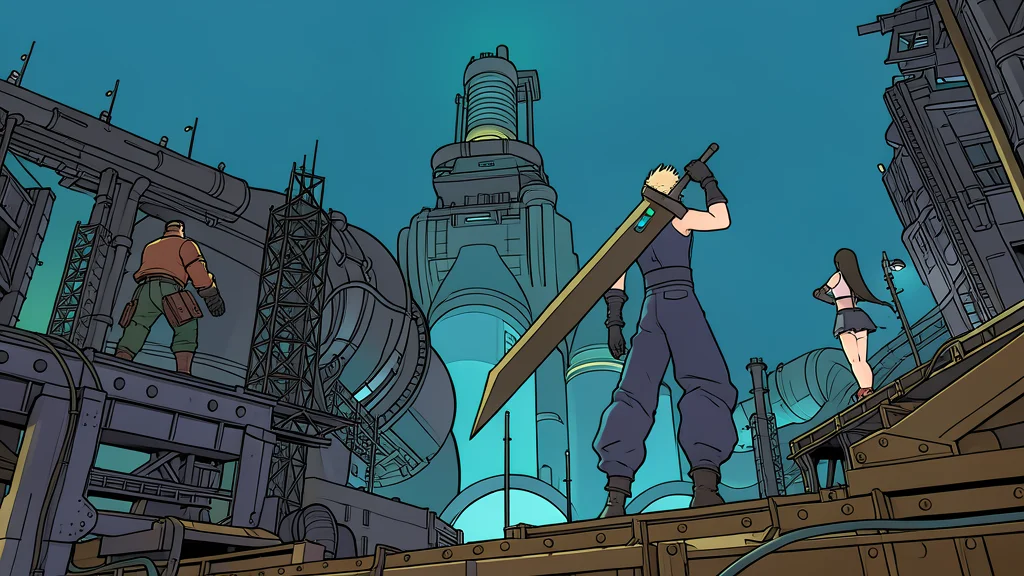
Square Enix executives explain the strategic and emotional reasons behind bringing a major PlayStation exclusive to the new Nintendo console.
The long-standing divide between Final Fantasy and Nintendo consoles has narrowed significantly. Naoki Hamaguchi, the director of the Final Fantasy 7 Remake series, recently discussed why the studio decided to bring the game to the Nintendo Switch 2. For many players, this marks a symbolic return to the hardware where the franchise originally thrived before shifting exclusively to PlayStation in the late 1990s.
According to reports from GN technics/hardware (en-US), Hamaguchi described the move as feeling like destiny. He noted that the decision was driven by both a personal emotional connection to Nintendo and a broader corporate strategy to expand across multiple platforms. The director expressed hope that this release will welcome back fans who followed the series through its early years but stopped when it left the Nintendo ecosystem.
Personal Connection Drives Strategic Move
Hamaguchi shared that he has a deep emotional tie to Nintendo hardware, having grown up with the system. He observed that Final Fantasy 7 was the first numbered entry in the series to depart from Nintendo, a shift that alienated some long-time fans who preferred the company’s consoles. By bringing the Remake and Rebirth titles to the Switch 2, the studio aims to re-engage that specific demographic. The director is particularly interested in seeing how many players who paused their Final Fantasy journey after 1997 will return now that the game is accessible on their preferred platform.
Hardware Specs Enabled Multiplatform Push
The technical feasibility of this move became clear when Nintendo presented the Switch 2 hardware to developers before its launch. Hamaguchi explained that seeing the new specifications initially presented a challenge, but it also confirmed the possibility of running the game at a viable quality. This technical assessment coincided with a leadership change at Square Enix, where the new CEO prioritized a multiplatform approach. The alignment between the hardware capabilities and the company’s new policy made the decision to pursue the Switch 2 port straightforward.
The director emphasized that this was not a top-down mandate but a collaborative decision. When he sought additional funding to support the new platform, his proposal aligned perfectly with the company’s strategic direction. This synchronization between individual creative interest and corporate policy facilitated a smooth development process. The result is a version of the game that meets the studio’s quality standards while expanding its potential audience.
Sales Performance Validates Decision
From a business perspective, the gamble has paid off. Hamaguchi confirmed that the Switch 2 versions of the game have performed very well, exceeding initial expectations. This success validates the decision to invest resources in bringing a major title to a non-traditional platform for the series. The positive reception suggests that there is a substantial market of players who were eager to experience this specific iteration of the game on Nintendo hardware.