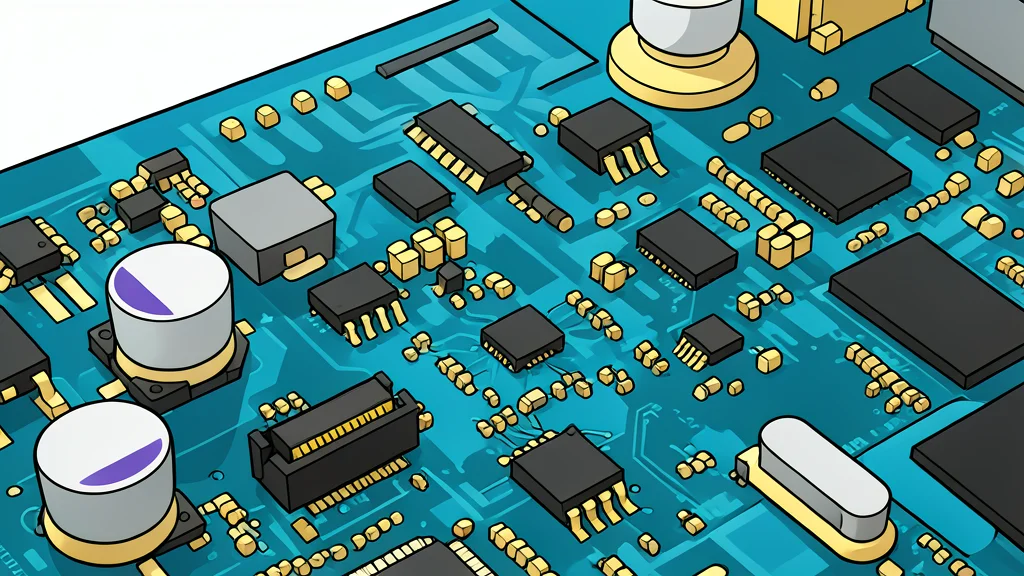
Taiwan's Chip Role in US-China AI Rivalry
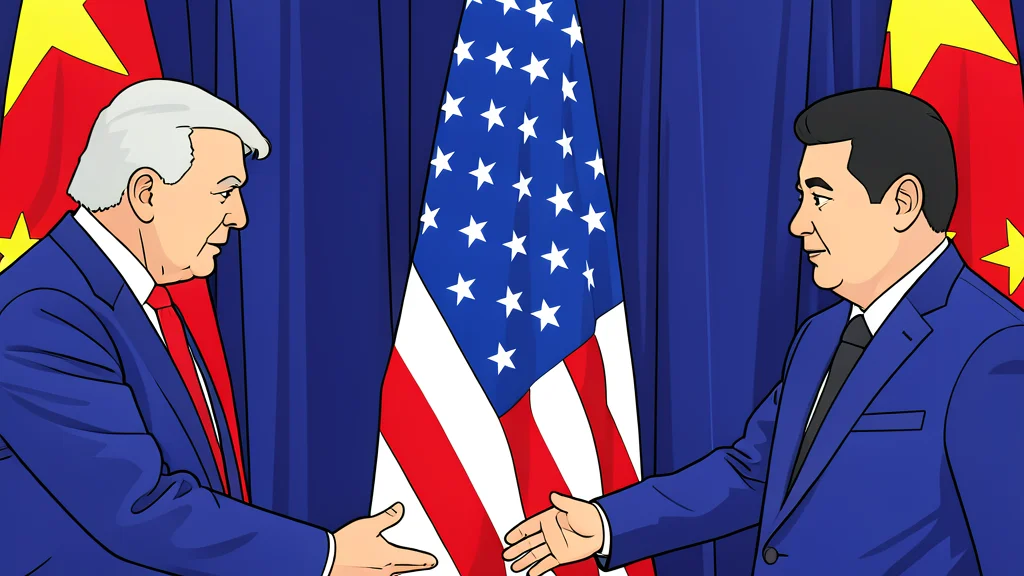
The competition for artificial intelligence leadership is inextricably linked to Taiwan's semiconductor industry, creating a geopolitical vulnerability for the United States.
The race between the United States and China to dominate artificial intelligence is increasingly defined by a single geographic dependency: Taiwan. As Washington and Beijing escalate their technological rivalry, the stability of the island has become a critical factor in the American AI strategy. This connection is not merely symbolic; it is a structural reality of the global supply chain that policymakers must now confront directly.
Upcoming high-level diplomatic meetings between the two nations will likely place this issue at the forefront of discussions. While both countries are engaged in dialogues regarding AI safety and development, the underlying tension over Taiwan’s role in chip production remains a persistent flashpoint. The United States finds itself in a position where its technological lead is partially contingent on a region that is central to China's national security concerns.
Taiwan's Indispensable Role in AI Hardware
Major American technology companies rely heavily on Taiwan for the physical infrastructure of their AI systems. Leading platforms designed for advanced workloads depend on hundreds of local partners for manufacturing and assembly. This includes critical components for systems developed by industry giants, which utilize specific Taiwanese firms for precision engineering and production. Even companies developing their own proprietary chips have turned to Taiwanese foundries to bring these designs to market, highlighting the depth of the dependency.
This reliance creates a significant strategic risk for the United States. If geopolitical tensions were to disrupt the supply chain, the American AI sector could face immediate bottlenecks. The speed at which AI models evolve outpaces the ability to rapidly build alternative manufacturing bases elsewhere. Consequently, the physical location of chip production has become a variable in national security planning, not just a commercial concern.
China's Strategy Decoupling from Local Supply
Beijing has signaled a long-term intent to reduce its reliance on external chip sources. Chinese regulators are considering measures to prevent domestic tech firms from using overseas foundries for advanced semiconductor production. This push for self-sufficiency suggests that China is preparing for a scenario where it must build its AI industry independently of Taiwan’s current capabilities. Such a move indicates that the island's value to China is not solely about seizing existing capacity, but about ensuring future autonomy in a contested technological landscape.
For the United States, the challenge is to manage this interdependence while maintaining its competitive edge. Efforts to reshore chip manufacturing to American soil are underway, but the timeline for achieving significant domestic capacity remains a subject of debate. Physical constraints such as labor availability and the time required to build complex facilities mean that a complete shift away from Taiwan is not an immediate option. This creates a window of vulnerability where the US remains dependent on a supply chain that is geopolitically unstable.
Diplomatic Challenges Ahead of Summit
As leaders prepare for their next meeting, the conversation will likely extend beyond abstract AI safety agreements to the tangible realities of hardware supply. The US has an opportunity to use its dependence on Taiwan as a lever in diplomatic discussions, emphasizing the mutual risks of instability in the region. By framing the issue in terms of economic and technological continuity, Washington can argue for a stable status quo that benefits both parties' long-term technological goals.
The stakes are high, and the margin for error is narrow. A clear understanding of how AI competition shapes the value of Taiwan is essential for policymakers. As reported by GN technics/ai (en-US), the intersection of technology and geopolitics means that decisions made in the boardroom now have profound implications for national security. Navigating this complex landscape requires a strategy that balances competition with the practical necessity of global cooperation in critical industries.