Smart Glasses Aim to Reduce Errors in Factory Floors
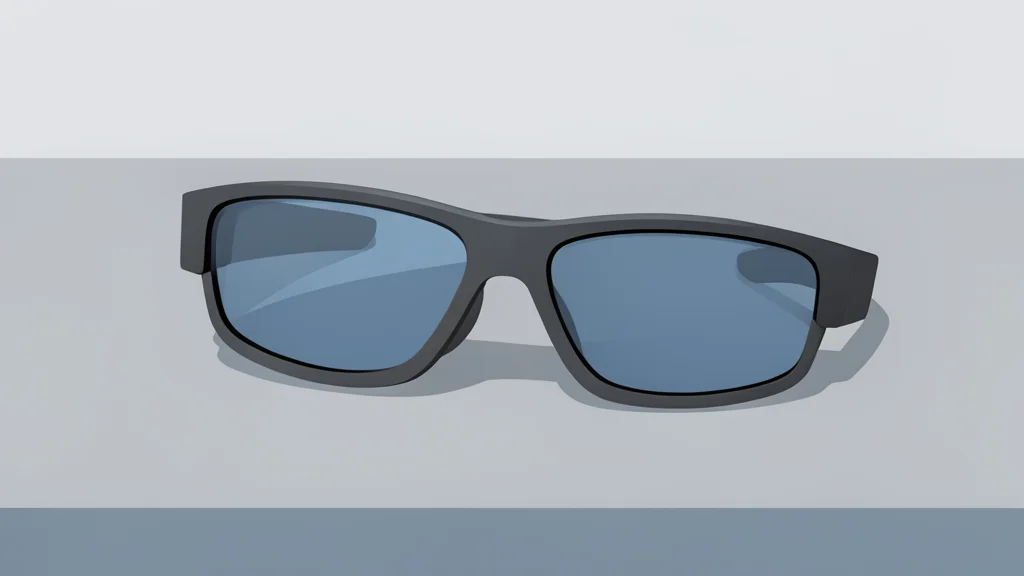
Manufacturers are testing wearable devices to keep technicians' hands on tools while delivering real-time data, potentially cutting training time from months to days.
Factory work has traditionally been a physical trade where workers keep their hands occupied with tools, parts, and machinery. While smartphones and laptops have transformed many offices, they often pull factory technicians away from the task at hand. The industry is now turning to smart glasses as a potential solution, aiming to deliver information directly into the worker's field of view without requiring them to put down their equipment.
This shift is driven by a significant talent gap and the need for faster onboarding. According to a report cited by GN auto tech/wearables, millions of manufacturing roles are expected to open up in the coming years. Smart glasses do not replace skilled labor, but they can provide immediate access to manuals and expert guidance, helping newer employees perform complex tasks with greater accuracy from day one.
Hands-free guidance improves precision
In practical applications, these devices allow technicians to overlay digital schematics onto physical equipment. At Boeing, for example, staff have used this technology for nearly a decade to navigate intricate aircraft wiring. By seeing step-by-step visual instructions directly on the parts they are working on, workers report higher accuracy on their first attempts compared to using printed manuals. This visual aid reduces the need to constantly switch between a task and a reference book.
The technology also facilitates remote collaboration. BMW equipped its U.S. service centers with smart glasses that enable technicians to connect with expert engineers via video links. This allows for real-time problem solving without the technician having to step away from the vehicle. Similarly, DHL uses headsets in its warehouses to guide workers through order fulfillment, significantly boosting accuracy rates by providing visual and audio cues during the picking process.
Training efficiency sees dramatic gains
One of the most compelling benefits is the reduction in training time. In the aviation sector, the use of augmented reality glasses has helped shorten the ramp-up period for new employees from roughly one year to about one week. By providing immediate, context-aware instructions, the system helps workers build muscle memory and confidence faster. This is particularly valuable for manufacturers facing a shortage of experienced technicians who can mentor newcomers.
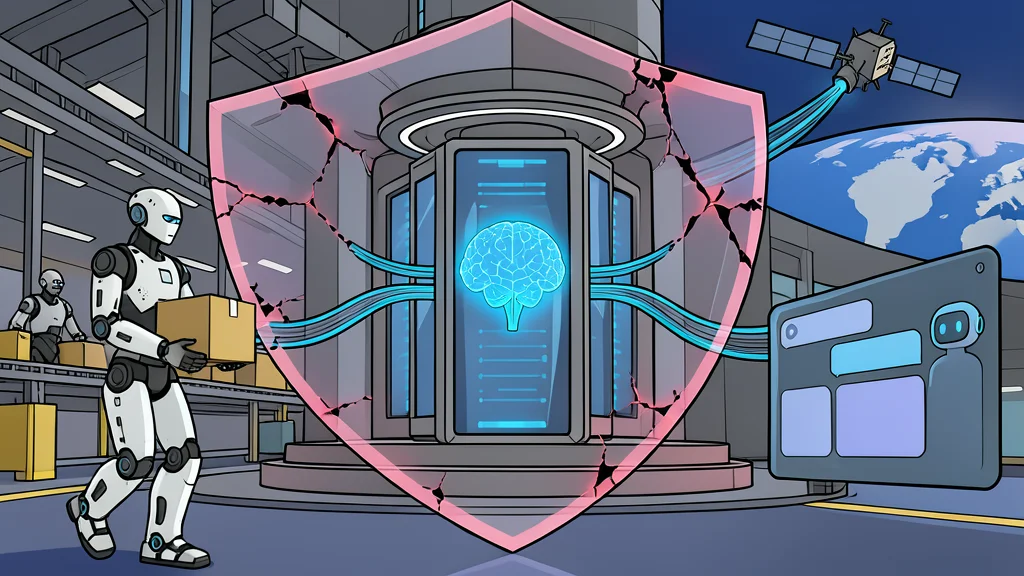
However, the adoption of this technology is not without trade-offs. While the hardware has become lighter and voice recognition has improved, there are still concerns about reliability in noisy or high-vibration environments. Additionally, the integration of AI systems into safety-critical workflows requires rigorous testing to ensure that automated guidance does not override human judgment. Companies like Siemens are currently in the testing phase, indicating that while the promise is strong, widespread deployment is still evolving.
Challenges remain in daily use
Despite the progress, smart glasses are not a universal fix for all industrial challenges. The devices rely heavily on accurate data inputs and robust connectivity. If the digital overlay fails or the AI provides incorrect information, the consequences on a production line can be severe. Therefore, many factories are treating this technology as a supplementary tool rather than a standalone replacement for established safety protocols and human expertise. The goal is to augment, not replace, the skilled judgment of the worker.
As the technology matures, the focus remains on making it practical for everyday use. The ultimate stake for manufacturers is efficiency and safety. If smart glasses can consistently reduce errors and accelerate learning, they may become as standard on the factory floor as the safety goggles are today. The transition is gradual, but the direction is clear: information is moving closer to the point of action.