Teachers and Microsoft Set Binding AI Rules for Schools
A new agreement between major unions and Microsoft creates enforceable privacy standards for classrooms, bypassing slow government regulation to protect student data immediately.
Artificial intelligence tools are already present in many American classrooms, often ahead of the legal frameworks designed to govern them. While lawmakers debate the appropriate rules for these technologies, students and educators are using them daily. This gap has led to a new initiative that prioritizes immediate contractual protections over waiting for comprehensive federal legislation.
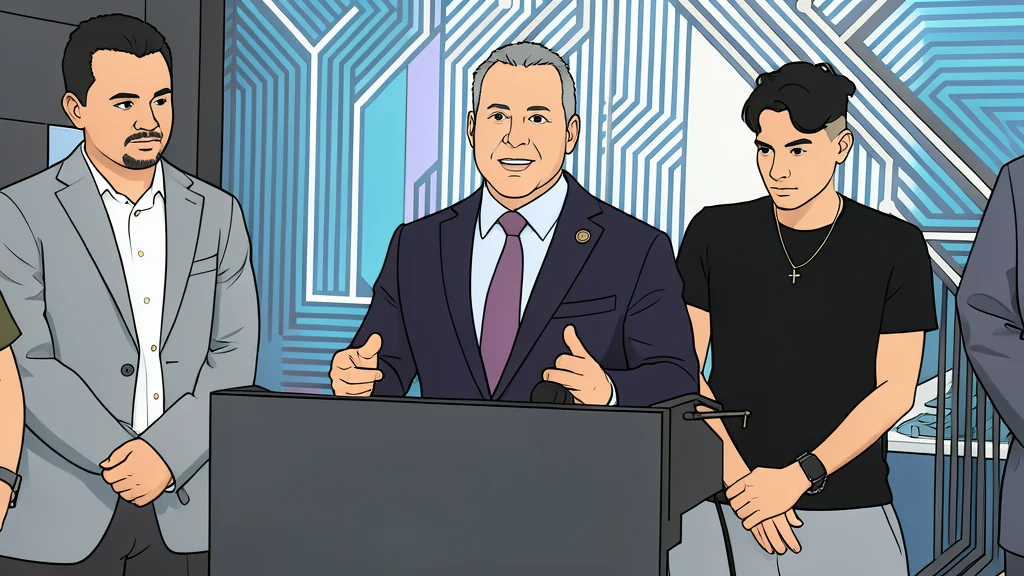
The American Federation of Teachers, the United Federation of Teachers, and Microsoft have announced a National AI Safety and Privacy Standard. Effective from November 1, these protections apply to school districts and independent schools with existing Microsoft agreements. Unlike previous voluntary guidelines, this framework establishes legally enforceable terms that districts can invoke if the company fails to meet its obligations.
Contractual Protections Replace Voluntary Guidelines
The core distinction of this agreement is its enforceability. Past industry commitments often relied on corporate self-regulation, offering little recourse if standards were not met. This new standard allows districts to incorporate specific privacy clauses directly into their customer contracts. If Microsoft violates these terms, schools have a contractual basis for action, creating a tangible accountability mechanism that was previously absent.
Under these rules, Microsoft is prohibited from using student or educator data to train its AI models, sell that information, or utilize it for advertising purposes. Schools retain full control over how data is stored, used, and deleted. Additionally, the agreement mandates that human oversight be maintained for any consequential decisions, preventing automated systems from acting independently in ways that could affect students.
Transparency Requirements for Classroom Tools
A significant portion of the standard focuses on clarity for parents and teachers. Microsoft is required to provide understandable explanations of what data its products collect and how that information is processed. The company must also notify schools of any significant changes to its products or security measures. This aims to address a common criticism that educational technology is often opaque, leaving families unaware of how their children’s information is handled.
The agreement also requires that AI products include specific safeguards against harmful or manipulative interactions. These protections are designed to ensure that the technology does not engage students in ways that could be psychologically detrimental. By codifying these requirements, the unions aim to shift the burden of proof onto the technology provider to demonstrate safety.
Broader Advocacy for Student Safety
This contract is part of a larger push by the AFT to define the role of AI in education. Beyond data privacy, the union has advocated for screen-free classrooms in early grade levels and has called for bans on AI social companion chatbots for minors under sixteen. These positions reflect a broader concern that current technological integration may outpace the developmental readiness of younger students.
Microsoft has stated its intention to extend this standard to all U.S. school districts, signaling a willingness to adopt stricter industry norms. However, the reliance on private contracts means that protections remain tied to specific vendor relationships. While this provides immediate safeguards for users of Microsoft products, it does not establish a universal public standard for all technology companies operating in schools. As reported by GN technics/ai (en-US), this approach highlights the trade-off between rapid, private-sector action and the slower, but more comprehensive, path of government regulation.