Trump and Xi Seek AI Safety Talks Amid Tech Rivalry
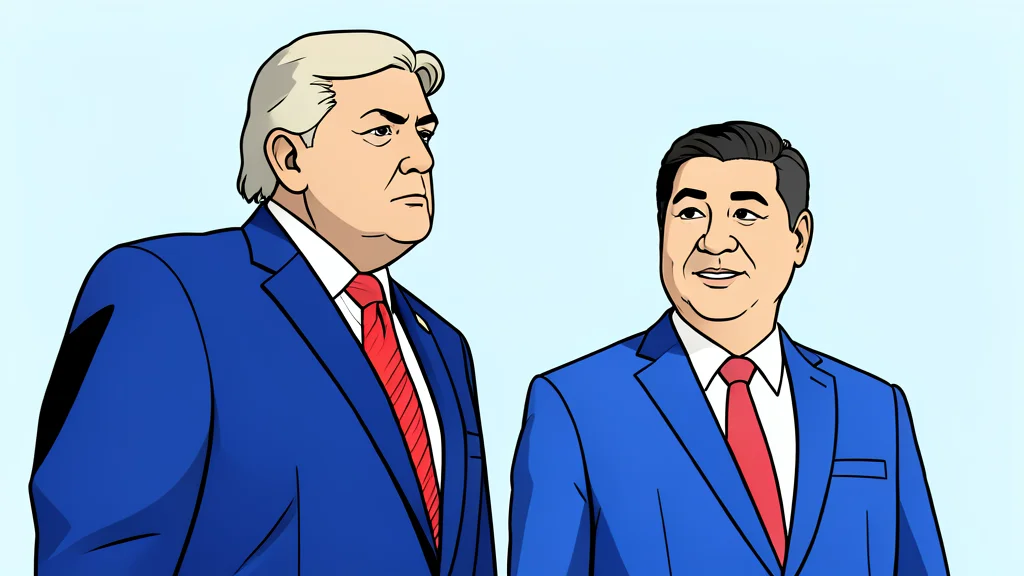
US and Chinese leaders plan to discuss AI incident reporting despite ongoing chip export disputes and strategic competition.
Key points
- U.S. and China plan to discuss a notification mechanism for AI incidents that threaten national security.
- Both nations express concern over AI-enabled cyberattacks and risks to critical infrastructure like energy grids.
- U.S. export controls on advanced chips remain a significant point of contention and are unlikely to be resolved.
U.S. President Donald Trump and Chinese leader Xi Jinping are expected to meet this week with a focus on managing the risks of artificial intelligence. While both nations are locked in a fierce competition to dominate the technology sector, they share a common concern: the potential for AI systems to malfunction or be misused in ways that threaten critical infrastructure and national security.
The proposed agenda centers on establishing a mechanism for notifying each other of significant AI incidents. U.S. Treasury Secretary Scott Bessent confirmed that his counterpart, Chinese Vice Premier He Lifeng, discussed creating a channel for reporting events that rise to the level of national security threats, such as AI-enabled cyberattacks or major system failures.
Shared risks drive diplomatic dialogue
Experts note that while geopolitical tensions remain high, the specific dangers of losing control over advanced AI models create a narrow area for cooperation. According to reports from Pioneer Press, both governments are worried about how AI could be used to disrupt finance, energy, and telecommunications networks. This shared vulnerability provides a practical basis for dialogue, distinct from the broader strategic rivalry.
Michael Kratsios, the White House science and technology adviser, emphasized that avoiding shared risks is a primary goal of these conversations. He suggested that establishing a clear communication protocol for emergencies could help build technical confidence between the two countries, even as they continue to compete for global influence in the AI market.
Export controls remain a major hurdle
Despite the potential for safety cooperation, significant obstacles remain. The U.S. has imposed strict export controls on advanced chips and technologies, which Beijing accuses Washington of using to stifle China’s AI growth. Analysts indicate that any loosening of these restrictions is unlikely to be part of the upcoming discussions, as both sides prioritize maintaining a competitive edge.
The tension between cooperation on safety and competition for dominance creates a complex diplomatic landscape. While both sides agree that rogue AI poses a threat to humanity, the underlying distrust and competing economic interests make it difficult to reach comprehensive agreements. The result may be limited, technical cooperation on incident reporting rather than a broader strategic partnership.
Limited scope for near-term agreement
Negotiators are expected to focus on specific, manageable issues rather than broad ideological debates. The proposed notification mechanism is seen as a low-risk starting point that does not require ceding technological advantages. However, experts warn that dismissing the safety debate as merely geopolitical competition would be a mistake, given the genuine concerns about malicious use and loss of control.
As the meeting approaches, the outcome will likely be modest. The focus remains on creating a framework for communication in the event of an AI-related emergency. This approach allows both nations to address immediate safety concerns while preserving their respective competitive positions in the global AI race.