Hyundai Ioniq 5 Tops non-Tesla EV Sales in US First Half of 2026
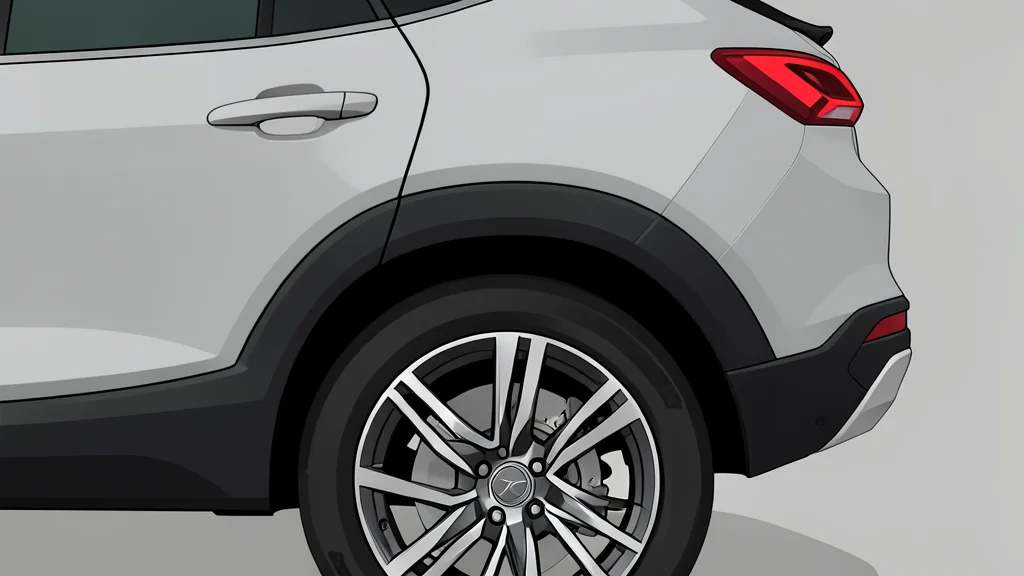
The unchanged Hyundai Ioniq 5 has become the best-selling non-Tesla electric vehicle in America, proving that reliability beats constant redesigns.
Key points
- The Hyundai Ioniq 5 was the top-selling non-Tesla electric vehicle in the US during the first half of 2026.
- The car has maintained its original 2021 design, prioritizing stability and familiar aesthetics over frequent redesigns.
- It outperformed the Tesla Model Y and Rivian R2 in Edmunds’ recent testing of electric SUVs.
The Hyundai Ioniq 5 has become the most successful electric vehicle in America that is not a Tesla. According to data from the first half of 2026, it outperformed rivals like the Chevrolet Bolt and Toyota bZ4X to claim the top spot in a volatile market.
This success is notable because the car has looked essentially the same since its 2021 debut. While competitors frequently update their models, the Ioniq 5 has maintained its original design, yet its sales have steadily increased year over year.
Stability drives American buyer confidence
Heatmap News reports that Hyundai’s strategy relies on consistency rather than constant novelty. By keeping the platform reliable and the look familiar, the manufacturer avoided the confusion that often accompanies rapid technological shifts. This approach has helped the Ioniq 5 remain a steady presence in a market where many models have failed to gain traction.
The vehicle also just finished first in Edmunds’ comparative testing of top electric SUVs. It edged out the Tesla Model Y and the Rivian R2, suggesting that its core driving experience remains competitive despite lacking the latest software features found in newer rivals.
Practical design suits US preferences
The Ioniq 5’s shape is a key factor in its appeal. It resembles a traditional hatchback but with the higher ride height Americans prefer in crossovers. This design choice makes it feel familiar and practical, unlike the low-slung Ioniq 6 sedan, which was discontinued in the US due to poor reception of its smaller trunk and lower profile.
The cargo space is sufficient for daily needs, striking a balance between the compactness of a city car and the bulk of larger three-row SUVs. This mid-size positioning fits the majority of American households, who prioritize utility without the size of a full-size vehicle.
Trade-offs in technology and interface
However, the car is not without compromises. The central touchscreen is smaller and less sophisticated than those found in Tesla or Rivian vehicles. While it includes essential EV route planning and charger scanning, the interface lacks the polish and extensive app ecosystem of its competitors.
Buyers who prioritize cutting-edge digital experiences may find the Ioniq 5’s technology dated. The trade-off is a more durable, proven hardware platform that does not require frequent software updates to remain functional. For many drivers, this reliability is a more valuable feature than the latest graphical interface.