UC Study Finds Kids Trust AI Robots More than Parents Do
A University of Cincinnati study reveals that children readily accept statements from AI toys, highlighting a gap in digital literacy.
Key points
- Researchers at the University of Cincinnati interviewed 41 children aged 5 to 10 about their experiences with an AI robot named Miko.
- Children generally believed the robot's statements and found it a helpful, non-judgmental companion, especially those who struggled socially at school.
- Experts warn that while these tools can aid learning, they pose privacy risks and require early education in critical thinking.
Children aged 5 to 10 show high trust in artificial intelligence, according to new research. The University of Cincinnati studied how kids interact with smart toys. This behavior contrasts sharply with the worry many parents feel about these tools.
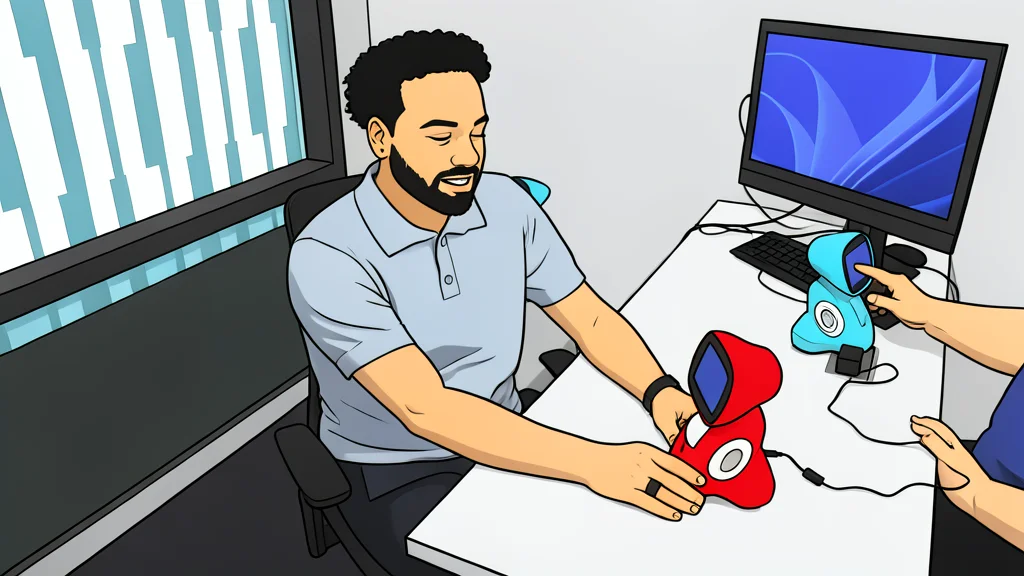
The study focused on a commercially available robot named Miko. Researchers at UC’s College of Arts and Sciences invited 41 children to play with it. The robot uses generative AI, a technology that creates new content based on learned patterns.
Kids accept robot statements as true
Most children believed what the robot told them was correct. They engaged enthusiastically with the machine even if they had never seen one before. Kelly Merrill Jr., an assistant professor at UC, noted this excitement is notable. He said AI is often a source of fear for adults.
Nancy Jennings, a UC professor, emphasized the need for early education. She argued that children must learn to think critically about these tools. Since AI is entering every part of life, schools and parents must guide this adoption.
Potential social benefits for shy children
Some children found the robot helpful for social practice. Those who struggled to make friends at school appreciated talking to Miko. They described it as a non-judgmental friend. This offers a safe space for improving conversation and listening skills.
Jennings noted that families with young children adopt new technology quickly. Interactive toys became popular during the pandemic when group play was limited. However, being first adopters brings unknown risks and challenges for both kids and parents.
Safety limits and privacy concerns remain
Critics argue that toymakers do not create enough age-appropriate safeguards. A risk assessment by Common Sense Media found inappropriate content in some toys. Consumer advocates also raise privacy concerns about data collection from young users.
The UC team observed some built-in safety measures in Miko. The robot redirected conversations that became too scary or violent. Merrill stressed that these tools should complement human interaction, not replace it. Half of the children in the study already used AI agents at home.