2027 Ioniq 5 RWD Models Reach 318 Miles of Range
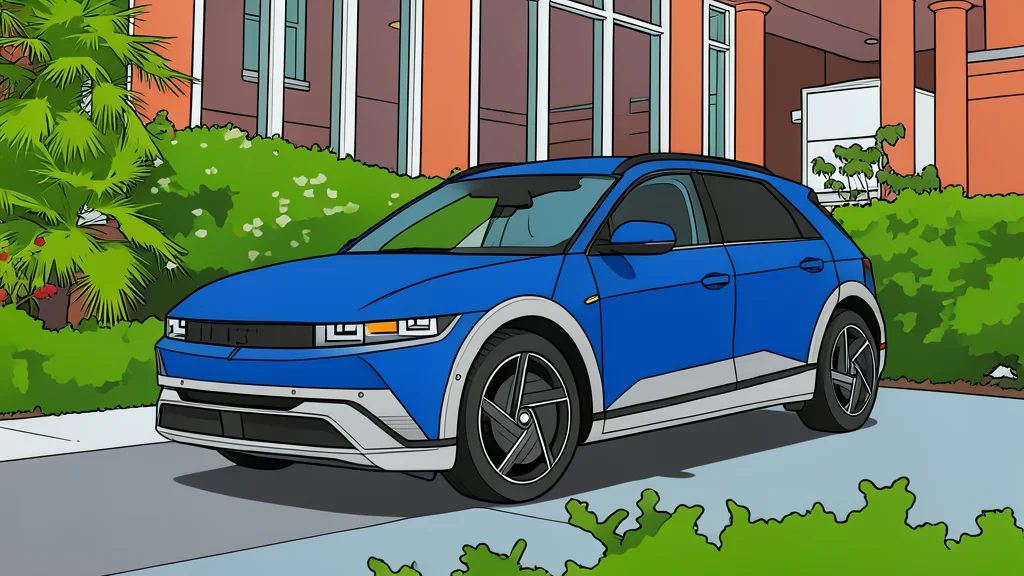
Hyundai's 2027 Ioniq 5 offers up to 318 miles on a charge, but only in rear-wheel drive. Prices rise slightly across most trims.
Key points
- The 2027 Hyundai Ioniq 5 SE, SEL, and Limited RWD models offer 318 miles of range.
- Entry-level pricing starts at $35,250, rising to $36,900 with the destination fee.
- Fast charging from 10-80% takes 20 minutes on high-voltage infrastructure.
Hyundai has detailed the range options for its 2027 Ioniq 5 electric crossover. The lineup now includes versions that travel up to 318 miles on a single battery charge. This figure is reported by EVChargingStations.com as the vehicle's maximum capability.
The car competes directly with the Tesla Model Y, which offers up to 357 miles. While the Ioniq 5 falls short of that specific benchmark, it remains a strong contender in the mid-size electric segment. Buyers can choose from several battery sizes and drivetrain configurations to suit their needs.
Rear-wheel drive drives the top range
The highest mileage comes from the SE, SEL, and Limited trims. These versions use an 84-kWh battery and rear-wheel drive. They all achieve an estimated 318 miles of combined range.
Choosing all-wheel drive reduces this distance significantly. The same models drop to 290 miles or less when equipped with AWD. The base model with a smaller 63-kWh battery offers only 245 miles. Performance-focused versions like the Ioniq 5 N provide just 221 miles.
Prices rise slightly across the board
The entry-level Ioniq 5 starts at $35,250, a $250 increase over last year. Adding the mandatory $1,650 destination fee brings the total to $36,900. Higher trims see increases of $150 to $400 depending on the package.
The SE trim with the larger battery starts at $37,750. The SEL trim costs $40,200, while the Limited begins at $45,225. The sporty XRT version is priced at $46,525. These figures reflect the new model year adjustments.
Charging speed depends on voltage
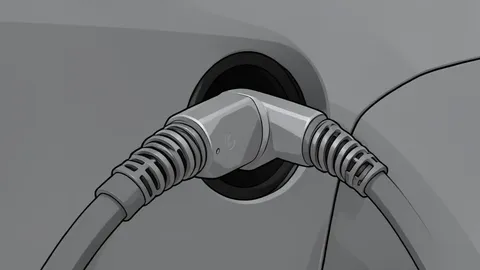
All 2027 models feature a NACS charging port for wider network access. Fast charging from 10 to 80 percent takes 20 minutes on high-voltage chargers. This speed requires a charger capable of handling high power.
On lower-voltage 150-kW chargers, the same process takes 30 minutes. The car includes a dual-voltage cable for standard home and workplace charging. This setup ensures flexibility for daily driving needs.