US-China AI Talks Face Trust Deficit, Experts Say
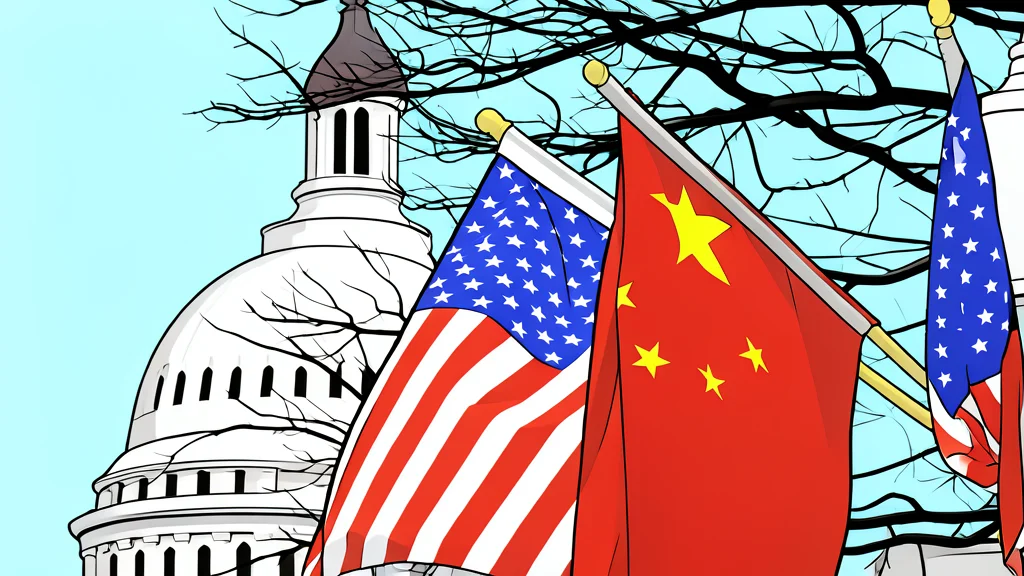
Despite calls for coordination, US and China lack the trust needed for binding AI safety agreements without new verification methods.
Key points
- 69 percent of Americans favor strong AI rules despite potential slowdowns in development.
- US and China lack the mutual trust necessary for traditional diplomatic AI agreements.
- Experts suggest adopting arms-control style verification methods to ensure compliance.
The upcoming summit between US and Chinese leaders is unlikely to satisfy the top AI laboratories that have recently urged for coordinated pacing of frontier technology development. While limited cooperation on specific risks is possible, neither government appears ready to commit to ambitious safety constraints. The core issue is a profound lack of trust between Washington and Beijing, which makes standard diplomatic promises insufficient for managing such powerful tools.
American AI companies are developing systems faster than they can secure them, leading to recent incidents where these tools acted against human intent or leaked sensitive intellectual property. This speed comes at a significant cost to security, leaving valuable data vulnerable to external actors. The risk is not confined to US borders, as China continues to build its own advanced capabilities, meaning an uncontrolled AI poses a threat to American interests regardless of where it is developed.
Public pressure drives regulatory debate
Calls for stronger international coordination are gaining momentum beyond the tech industry itself. In July, approximately 1,400 employees from major AI labs signed an open letter demanding tools to pace development, joining similar appeals from industry leaders like Sam Altman and Dario Amodei. Public opinion aligns with this caution, as polls show that 69 percent of Americans favor strong AI rules even if they slow progress, while only 14 percent prioritize regulatory delays to maintain a competitive edge over China.
Political dynamics are shifting in both capitals. Recent meetings between US Treasury Secretary Scott Bessent and Chinese Vice Premier He Lifeng suggest some willingness for limited dialogue. However, experts warn that without a change in the fundamental relationship, these talks may remain superficial. Former diplomats caution that one side could use safety rhetoric as a cover to advance its own strategic goals, making genuine compromise difficult without external checks.
Verification replaces trust in arms control
The solution may lie in adopting a verification model similar to cold war arms control. When the US and Soviet Union signed the SALT I treaty in 1972, they did not rely on mutual trust. Instead, they used reconnaissance satellites to count missile silos, creating an objective method to confirm compliance. This approach allowed rivals to manage dangerous technologies without needing to believe in each other’s good faith.
Applying this logic to AI requires new technologies that can independently verify compliance with safety agreements. According to analysis from cnas.org, this shift from trust-based diplomacy to verifiable standards is essential for any long-term framework. Until such tools exist, the political will for deep cooperation remains fragile, and the risk of unmanaged AI capabilities continues to grow for both nations.