Apple Pauses AI Pin Development to Focus on Camera-Equipped AirPods
Apple has reportedly shelved its wearable AI pin in favor of integrating cameras into AirPods Pro and developing a new screen-free health tracker.
Key points
- Apple has reportedly halted development of its standalone wearable AI pin to focus on other hardware projects.
- The company is integrating camera technology into the AirPods Pro to enable visual intelligence features.
- A new screen-free health and wellness tracker, similar to devices from Whoop, is also in development for 2028.
Apple appears to be abandoning its plans for a dedicated wearable AI pin, shifting its engineering resources toward adding cameras to the AirPods Pro instead. According to reports from Bloomberg, the company has postponed the development of a standalone, AirTag-sized device that was intended to use visual data to answer user questions. This strategic pivot suggests that Apple believes existing products can better serve its vision for real-time, context-aware assistance without requiring consumers to buy a new, single-purpose gadget.
The decision aligns with a broader trend in the tech industry to avoid creating niche hardware that fails to gain mainstream traction. By integrating visual intelligence capabilities into earbuds, Apple can leverage a device that users already own and wear for long periods. This approach minimizes friction and ensures that the technology is available in the ear, where it is most likely to be needed for hands-free interaction, rather than on a separate pin or pendant that users might forget to charge or carry.
Cameras in earbuds offer practical advantages
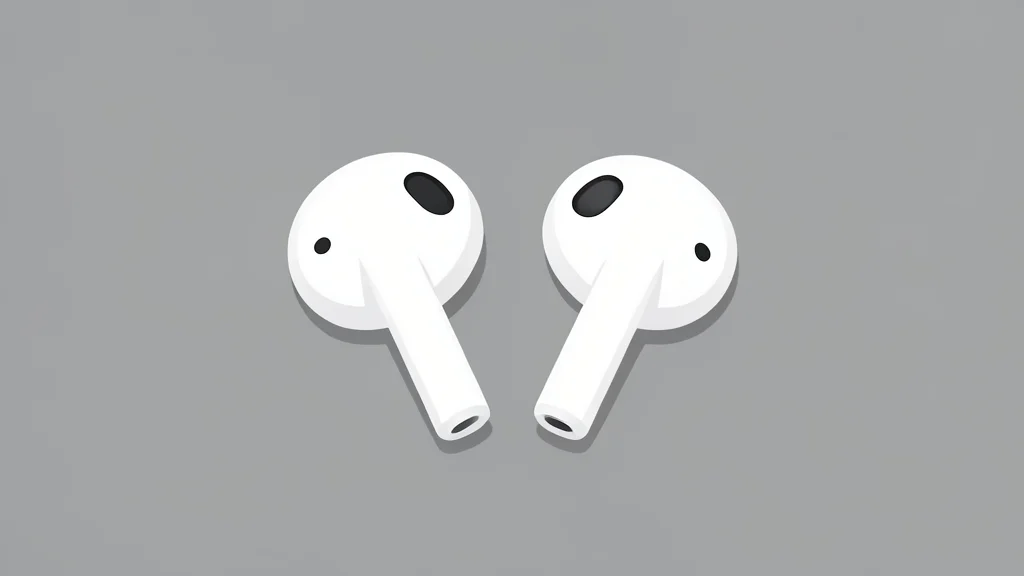
Placing cameras in the AirPods Pro offers a distinct functional advantage over a standalone pin. Since earbuds sit directly in the user's ear canal, any lens integrated into the hardware would naturally align with the wearer's line of sight. This positioning ensures that the camera captures exactly what the user is looking at, providing highly relevant visual context for Siri. In contrast, a pin worn on a lapel or a pendant hung around the neck may point in random directions, reducing the accuracy of the visual data collected for AI processing.
Furthermore, the AirPods Pro already serve as the primary audio interface for receiving information from voice assistants. By combining the input (camera) and output (speaker) in a single device, Apple creates a seamless loop for visual intelligence features. Users would not need to juggle multiple devices to ask a question and hear the answer. This integration reduces the complexity of the user experience, a critical factor for the success of any new AI feature that relies on continuous, real-time interaction.
Avoiding the fate of failed AI hardware
The move away from a dedicated AI pin also reflects a cautious approach to the current market landscape. Early entrants in the AI hardware space, such as Rabbit and Humane, have faced significant commercial challenges and have not achieved the widespread adoption necessary to justify their high price points. Their struggles highlight the risk of launching new form factors that do not clearly solve a problem better than existing smartphones or wearables. Apple’s decision to pause the pin project indicates a preference for incremental innovation within its established product lines rather than betting on unproven hardware categories.
By focusing on enhancements to the AirPods, Apple can iterate on its AI capabilities using a massive existing user base. This strategy allows for faster feedback loops and lower adoption barriers. Consumers are already familiar with the form factor, comfort, and battery life of the AirPods, so adding visual capabilities is a natural evolution rather than a disruptive leap. This reduces the educational burden on customers and increases the likelihood that the new features will be actually used in daily life.
Prioritizing screen-free health tracking devices
In addition to the camera-equipped earbuds, Apple is reportedly prioritizing the development of a screen-free wristband. This device, expected to arrive as early as 2028, would compete with popular health trackers from companies like Whoop and Garmin. The focus on a screen-free design suggests Apple is aiming for a minimalist approach to health monitoring, one that collects comprehensive biometric data without the distraction of a display. This aligns with the company’s long-standing emphasis on user well-being and the integration of health data into its ecosystem.
The shift in priorities indicates that Apple is spreading its wearable investment across multiple categories rather than concentrating all resources on a single AI novelty. The combination of advanced earbuds and a dedicated health tracker covers both the cognitive assistance and physical wellness aspects of user interaction. According to reports from stuff.tv, this balanced portfolio approach allows Apple to address different user needs with specialized hardware, ensuring that each device has a clear, distinct purpose within the broader Apple ecosystem.