Digital Realty Monitors 300 Data Centres from Singapore Hub
Operators rely on human analysts in Singapore to filter false alarms and manage critical AI infrastructure across six continents.
Key points
- A Singapore command centre monitors over 300 global data centres for Digital Realty.
- Human analysts are required to filter false alarms that automated AI systems may generate.
- The facility prioritizes renewable energy and closed-loop cooling to manage AI-driven power demands.
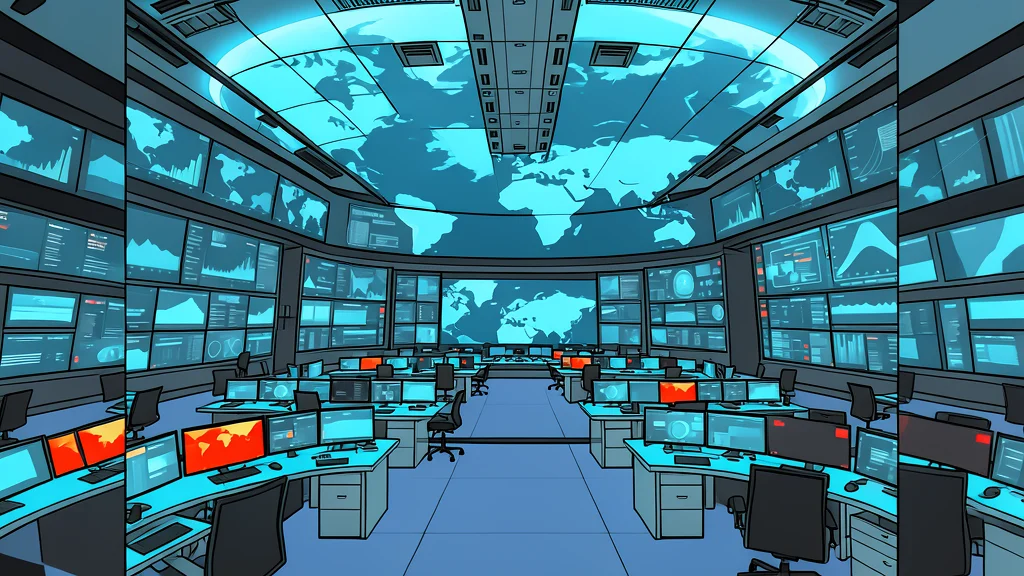
Digital Realty operates a central command hub in Singapore that oversees more than 300 data centres across six continents. This facility serves as a critical node for maintaining the stability of online banking, messaging, and artificial intelligence services that depend on uninterrupted power and cooling.
According to ET CIO, the primary challenge is not just reacting to breakdowns, but detecting early warning signs like temperature spikes before they escalate. The team works in shifts to hand over to European and US colleagues, ensuring round-the-clock vigilance for infrastructure that operators describe as vital to national security.
Human oversight remains essential
Despite the rapid integration of AI into data centre management, human intervention is still indispensable. Terence Tang, head of the Asia Pacific global command centre, noted that automation frequently generates false positives. Engineers must manually verify whether alerts represent genuine outages to prevent unnecessary disruptions or missed critical failures.
Rising demand drives infrastructure buildout
The surge in AI development has made data centre capacity a political and logistical priority globally. Tech giants are investing trillions of dollars in new facilities to handle the massive computing power required for model training. This expansion increases the complexity of operations and the pressure on existing sites to maintain high availability.
Sustainability measures reduce operational risk
To manage the environmental and operational strain of this growth, the company is prioritizing renewable energy sources and efficient cooling. These systems include solar panels and closed-loop water recycling, which help mitigate the risks associated with power instability and excessive heat generation in high-density server environments.