Blind Gamer Uses NFC Tags to Play Magic: The Gathering

Cristian Amores has adapted a collectible card game for blind players by using NFC tags and screen readers, bypassing traditional visual cues.
Key points
- Cristian Amores uses NFC tags on his Magic: The Gathering cards to trigger screen readers, allowing him to play while blind.
- Previous methods like braille and QR codes were abandoned due to physical bulk and slow scanning speeds.
- Amores seeks an official accessible version of the digital client from Wizards of the Coast to replace community mods.
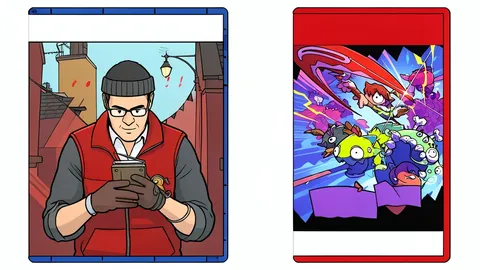
Cristian M. Amores is blind, yet he competes in Magic: The Gathering tournaments by using a smartphone to read his cards. His method relies on Near Field Communication tags attached to each card, which trigger Apple’s VoiceOver screen reader when tapped. This allows him to identify cards instantly without needing to focus a camera or rely on raised braille markings that make shuffling difficult.
According to reporting from Yahoo News Singapore, Amores’s approach is part of a broader, albeit slow, shift toward accessibility in gaming. While major companies like Microsoft and Sony develop adapted controllers, many players still create their own workarounds. Amores’s system has evolved from bulky braille labels to QR codes, and finally to the current NFC solution, which he says has significantly improved his playing speed and accuracy.
Overcoming physical and digital barriers
Early attempts at making the game accessible failed for practical reasons. Braille labels made cards too thick to shuffle and could be seen as a cheat by tournament judges. QR codes required precise camera alignment, which slowed down the game more than playing without any aid. The NFC tags solve these issues by requiring only a simple tap, providing immediate audio feedback on the card’s name and stats.
However, the system is not entirely self-contained. Amores relies on a community of sighted players to read new cards aloud so he can add them to his personal database. He also needs a print shop to produce the small NFC tags. Despite these dependencies, he has successfully used the system in informal games and even at a national championship in Spain, where judges acknowledged the necessity of his electronic device.
Trade-offs in competitive fairness
The main catch is the tension between accessibility and standard tournament rules. Magic: The Gathering typically bans electronic devices during play. Amores argues that his use is a strict necessity, as he has no other way to know what card he has drawn. He notes that all his cards are marked identically, preventing any information leakage, but he must still request permission from organizers in advance.
There is also a time trade-off. Amores admits he needs slightly more time per round than other players to manage his setup and interactions. While some judges have been welcoming, others remain skeptical about allowing phones in competitive settings. This creates an uneven playing field where accessibility tools are permitted only under specific, often discretionary, exceptions rather than as a standard feature.
Demand for official support
Amores’s ultimate goal is not just personal adaptation but industry-wide change. He has requested that Wizards of the Coast, the publisher of Magic: The Gathering, create an accessible version of their official digital client, Magic Arena. Currently, blind players rely on community-made modifications to play the digital version, which are unofficial and may not receive updates or security patches.
An official, accessible digital version would allow blind players worldwide to participate without needing physical cards or custom hardware. This would lower the barrier to entry significantly. Until then, players like Amores continue to build their own bridges to the game, highlighting a gap in the industry’s commitment to inclusive design.