Smartphone Makers Rush September Launches to Beat Memory Price Hikes
Device manufacturers are accelerating release schedules to secure components before costs rise further.
Key points
- Smartphone brands are moving flagship launches to September to secure components before memory prices rise.
- Apple is securing approximately 70,000 of TSMC's 100,000 monthly 2nm wafers, prioritizing its production needs.
- High-end devices are priced above 10,000 yuan, featuring latest-gen chips to justify costs amid supply constraints.
The smartphone industry is undergoing a significant shift in its release calendar, with major brands moving their flagship launches to September. This strategic acceleration is driven by a sharp increase in memory component prices and intensified competition for consumer attention during the critical pre-holiday shopping period. Manufacturers are no longer waiting for the traditional October window to avoid direct clashes with Apple's usual launch schedule.
According to industry insiders, the primary driver is the need to secure inventory before costs escalate further. By launching earlier, companies can lock in better pricing for essential components while capturing market share ahead of competitors. This move reflects a broader trend of aggressive positioning in a market where margins are being squeezed by rising hardware expenses.
Competition accelerates device release timelines
Historically, Android manufacturers often timed their releases for October to differentiate from Apple's September launches. However, recent market dynamics have forced a change. As reported by 36kr.com, the success of early-launch strategies by specific competitors has set a new benchmark. Brands are now prioritizing speed over traditional scheduling norms to maximize sales during the Golden Week and Double 11 shopping festivals.
This shift has resulted in a crowded September market, with nearly ten new high-end products launching within a single month. Huawei, Xiaomi, and Apple have all deployed their latest devices in close succession. The intensity of this competition is evident in the simultaneous unveiling of foldable and standard flagship models, creating a high-stakes environment for consumer choice.
Memory costs drive hardware upgrades
The surge in memory prices has pushed manufacturers to adopt the latest generation of chips to justify higher retail prices. High-end flagships are now priced above 10,000 yuan, with some models reaching 20,000 yuan. To support these premium price points, devices are equipped with top-tier processors, including Huawei's Kirin 9050 and Apple's A20 Pro, ensuring that performance remains a key selling point despite rising component costs.
This strategy allows brands to offset the impact of increased production expenses through higher margins on premium hardware. The focus on cutting-edge chips also serves to differentiate products in a saturated market. By offering the most advanced technology available, manufacturers aim to attract consumers who are willing to pay more for superior performance and future-proofing.
Chip supply favors Apple in 2nm race
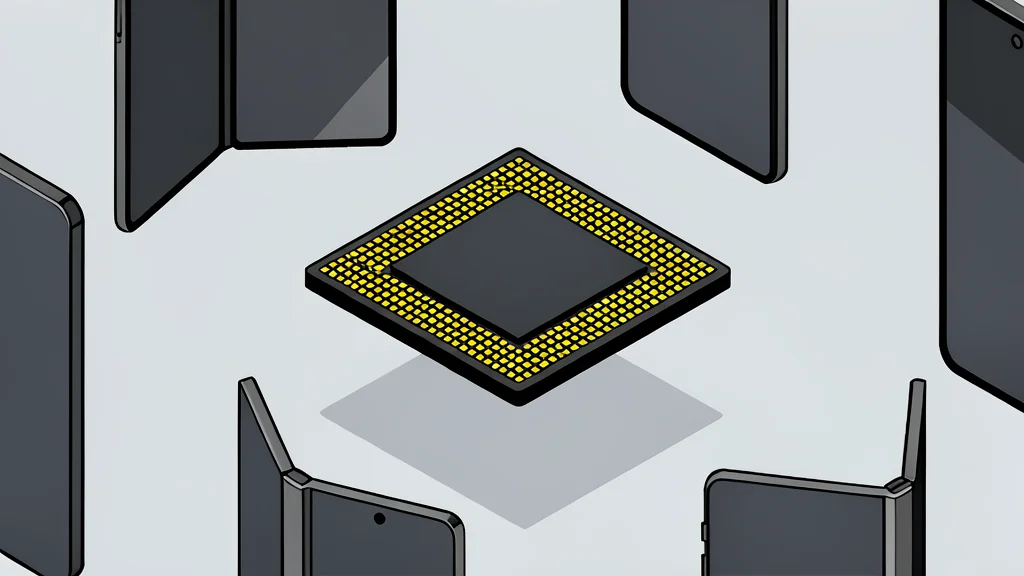
While the industry races toward 2nm chip technology, Apple holds a distinct advantage in production capacity. TSMC, the leading foundry, is allocating the majority of its limited 2nm wafer capacity to Apple. This priority access ensures that Apple can meet the high demand for its upcoming devices, including the iPhone 18 Pro series and its first foldable model.
Other manufacturers, such as MediaTek and Qualcomm, have significantly smaller allocations for 2nm production. This disparity highlights a growing gap in access to the most advanced semiconductor technology. For the broader industry, this means that while many brands are launching new devices, only a select few will have immediate access to the highest-performance 2nm chips, potentially limiting their competitive edge in the premium segment.