India to Build 70% of Data Centre Capacity in Next Five Years
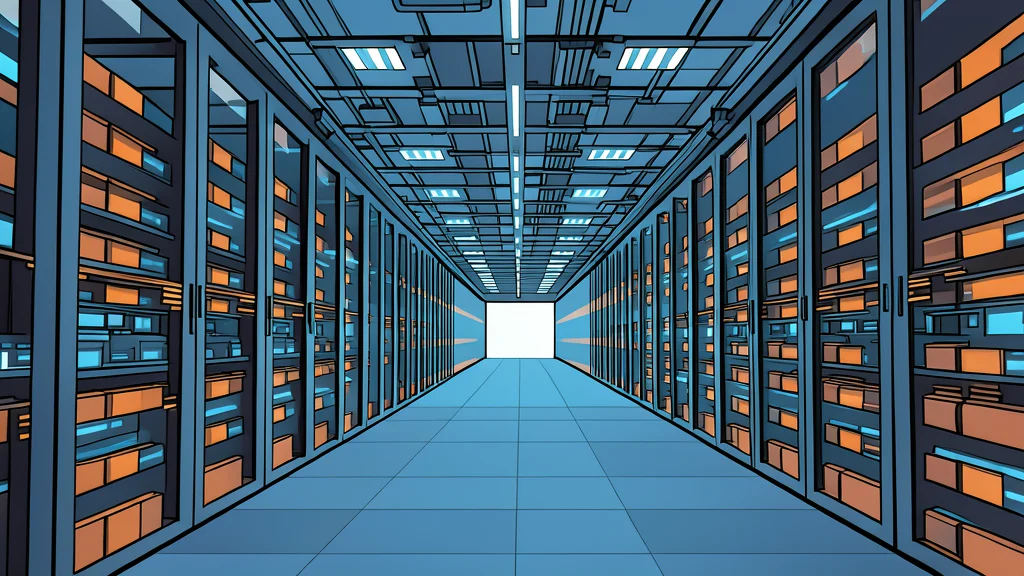
India plans to add over 70% of its data centre capacity in five to six years, driven by AI demand and localisation rules.
Key points
- India will build over 70 per cent of its data centre capacity within five to six years, driven by AI and localisation.
- The sector is expected to generate $140 billion to $200 billion in economic output by 2030, with capacity reaching 6-8 GW.
- New facilities must meet strict green benchmarks, including net-zero water consumption, to sustain long-term growth.
India is preparing for a massive expansion of its digital infrastructure, with more than 70 per cent of its future data centre capacity expected to come online within the next five to six years. This rapid build-out is not merely a technical upgrade; it is a response to a critical gap in the global market. While the country generates nearly 20 per cent of the world's data, it currently hosts only about 3 per cent of the global data centre capacity.
The primary drivers behind this surge are the heavy computational demands of artificial intelligence, strict data localisation regulations, and growing needs from domestic enterprises. According to ET Datacenters, this shift is designed to keep sensitive and valuable data within national borders while meeting the rising appetite for AI services that require low-latency, high-power computing environments.
Economic output reaches two hundred billion dollars
The financial implications of this construction boom are substantial. A report by Boston Consulting Group estimates that for every rupee invested in these facilities, the broader economy sees a 3.5x return. By 2030, this sector is projected to generate between $140 billion and $200 billion in total economic output for the country.
This growth is supported by over $100 billion in committed investments. Analysts suggest that the sector will reach a total capacity of 6 to 8 gigawatts by the end of the decade. However, this scale brings significant challenges. The sheer volume of new infrastructure requires robust power grids and advanced cooling systems, meaning the benefits are contingent on solving energy and water management issues effectively.
Green benchmarks reshape industry standards
Microsoft’s India President, Puneet Chandok, emphasised that new facilities must set global standards for sustainability. The company has designated its Hyderabad region as a strategic hub for Asia, featuring AI-enabled hardware and high-efficiency cooling. Chandok stated that all ecosystem players must move beyond simple conservation to actively replenish more water than they consume annually.
This push for net-zero water consumption represents a strict trade-off. While it ensures long-term operational viability in water-stressed regions, it demands higher upfront capital expenditure for advanced filtration and recycling technology. Companies that fail to meet these environmental benchmarks risk facing regulatory hurdles and reputational damage in a market that is increasingly scrutinising its carbon and water footprints.
Strategic positioning for global enterprises
For global organisations, India is evolving from a cost-efficient market into a central node for data distribution. The combination of strong connectivity, a power advantage, and a young, skilled workforce makes it an attractive destination. However, investors must carefully evaluate the policy landscape. Data localisation laws are not static; they are shifting constantly, and failing to monitor these regulatory changes can lead to significant compliance costs and operational disruptions.