Virginia Fines Microsoft Data Center for Emissions Violations
A major tech facility in Virginia faces a historic penalty after emergency generators caused air quality limits to be breached during a power failure.
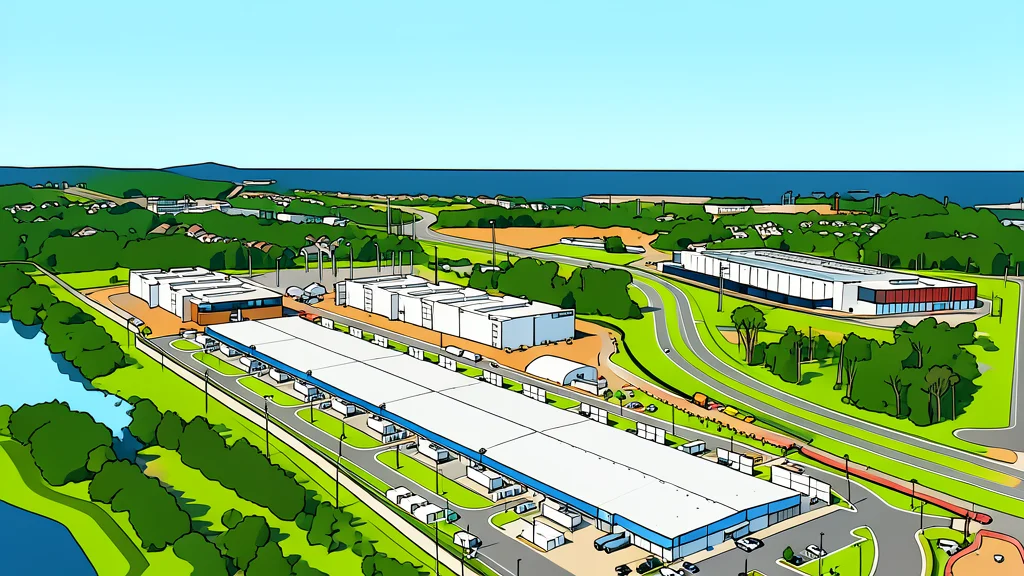
Virginia state regulators have imposed a nearly $2.5 million civil penalty on a Microsoft data center in Leesburg. This marks the largest fine ever issued by the state to a data center for violating emissions limits. The penalty stems from a specific incident in June 2025 where the facility’s electrical substation failed, forcing operators to run 62 emergency diesel engines for seven consecutive days.
During that week, the facility exceeded permitted levels of carbon monoxide, volatile organic compounds, and fine particulate matter. As part of the settlement, Microsoft has agreed to contribute $2.4 million to an environmental project in Loudoun County. These funds will be used to deploy dozens of new air quality sensors in areas with high concentrations of data centers, providing better local data on regional air health.
Settlement funds new air monitoring network
The Department of Environmental Quality will use the secured funds to expand its monitoring capabilities in Northern Virginia. Microsoft stated in a release that it supports this expansion to deliver additional insight into regional air quality. This move addresses growing concerns among residents who live near large industrial facilities and have long raised questions about noise pollution and potential health impacts.
Loudoun County, often referred to as Data Center Alley, is home to more than 250 such facilities. The county board of supervisors recently voted to pause the approval of new data center applications for one year. This pause is not a permanent ban, but a period to review standards and allow the community to weigh in on how to mitigate environmental damage while balancing economic growth.
Community pressure drives regulatory pause
Residents argue that the environmental and health costs of rapid expansion have outpaced local capacity. One resident living across the street from a data center noted concerns about property values and air quality during public comment sessions. The county attorney clarified that an outright moratorium is not legally permitted, hence the one-year pause on taking action on new applications.
Supporters of the industry argue that data centers bring significant economic benefits, including projected local tax revenues of $1.3 billion. They contend that such pauses send negative signals to investors and unions, potentially stifling the construction and operational workforce. The trade-off remains a central point of debate: balancing immediate environmental protection against long-term economic development in the region.
Economic benefits versus environmental trade-offs
The Data Center Coalition warns that anti-competitive policies could deter future investment in the area. They highlight that data centers support local businesses, trade unions, and schools that train the necessary workforce. However, the current pause allows the board to debate more stringent standards and locations for future facilities, ensuring that any new development aligns with updated community guardrails.
This situation illustrates the broader tension in tech infrastructure growth. While companies like Microsoft commit to environmental monitoring and compliance, the sheer scale of these facilities creates significant local impacts. The outcome of this regulatory review will likely set a precedent for how other jurisdictions handle the balance between digital infrastructure expansion and local environmental health.