Light Therapy Wearable Targets Menstrual Pain
A new wearable device uses specific light wavelengths to manage menstrual pain, offering a non-pharmaceutical alternative for users in India.
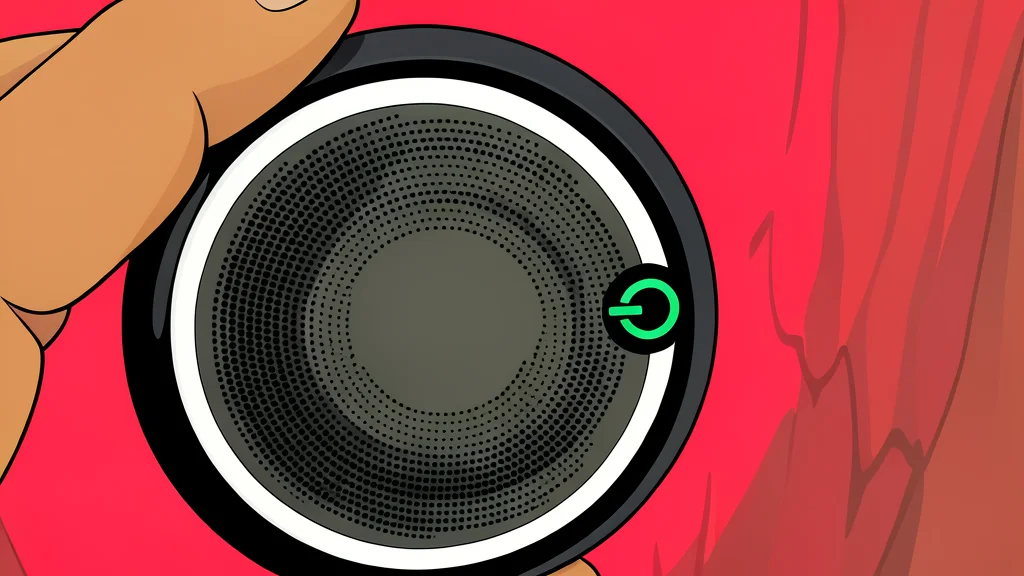
Pain management startup Curapod has launched Curapod M, a wearable device designed to alleviate menstrual pain using light-based therapy. The device, priced at Rs 11,999, is worn on the lower abdomen and utilizes red and near-infrared wavelengths to target discomfort without the need for medication.
The technology relies on photobiomodulation, a method that uses specific light frequencies to influence biological processes associated with pain. While the approach is rooted in established therapeutic principles, it represents a distinct shift from the heat-based or electrical stimulation methods that currently dominate the market for cramp relief.
Personalized light dosage via app
The device connects to a mobile application where users input data such as age, body mass index, and pain intensity. Some parameters are captured directly by the hardware. This data allows the system to adjust the dosage of light delivered, tailoring the treatment to the individual's specific physiological needs rather than offering a one-size-fits-all solution.
Clinical results and regulatory status
Curapod states that clinical evaluations across more than 600 cycles in Hyderabad, Bengaluru, and Chennai found that 80% of participants experienced zero pain after using the device. The product is licensed by the Central Drugs Standard Control Organization in India and registered with the US FDA, indicating it has met specific regulatory safety and efficacy standards in both markets.
Expanding beyond menstrual pain
Although menstrual pain is the current focus, the company sees a larger opportunity in chronic musculoskeletal pain and migraine management. Founded in 2022, Curapod has sold over 50,000 devices in 15 months. Recent funding of Rs 20 crore from V3 Ventures and others will support manufacturing and consumer education, though the trade-off is that long-term efficacy data for these new applications is not yet publicly available.