Why Virtualization Is Replacing Bare Metal in Home Labs
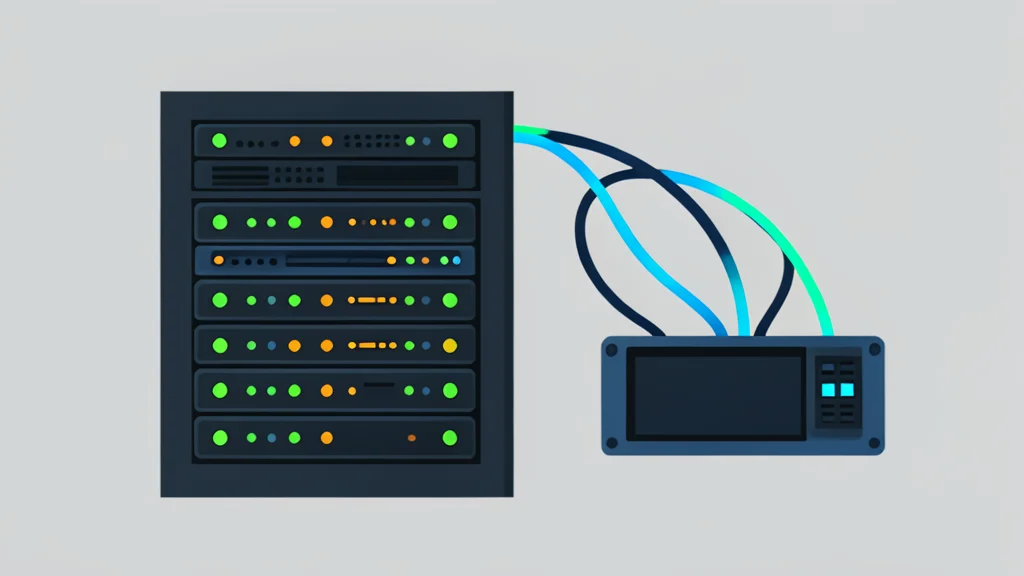
Home lab enthusiasts are increasingly abandoning direct operating system installations in favor of hypervisors. This shift prioritizes isolation and recovery speed over raw performance, fundamentally changing how personal servers are managed and maintained.
For many hobbyists, the traditional approach to building a home server involved installing a Linux distribution directly onto the hardware. While this method feels intuitive, it creates a fragile environment where a single misconfigured update or software conflict can destabilize the entire system. Running services on bare metal often leads to what engineers call configuration rot, a gradual accumulation of conflicting dependencies that makes troubleshooting difficult and system upgrades risky.
A growing number of users are moving away from this model, opting instead to run a hypervisor like Proxmox on their hardware. By isolating each service into its own container or virtual machine, the host system remains stable while individual applications are granted their own independent filesystems and dependencies. This architectural change transforms a potential system-wide disaster into a localized issue that can be resolved with minimal downtime.
Isolation simplifies complex hardware sharing
One of the most compelling reasons for this shift is the flexibility it offers for hardware acceleration. Services like self-hosted photo backups often require access to powerful graphics processing units for features such as face recognition. In a bare-metal setup, assigning a specific GPU card to one service can block other applications from using it. However, within a virtualized environment, the graphics driver remains on the host system, allowing multiple containers to share the same physical hardware simultaneously through specific permission settings.
This shared access does come with a significant trade-off. The software versions on the host and within the container must remain perfectly synchronized. If an update is applied to the host driver but not the container, the service may fail silently. As reported by XDA Developers, this version drift can cause features to stop working without clear error messages. In such cases, the ability to roll back a specific container to a previous snapshot is far safer than attempting a full system restore, which would undo changes across all other services on the machine.
Rapid experimentation without system clutter
Virtualization also lowers the barrier to testing new software. When a service requires a specific version of a programming runtime or a different operating system, users can spin up a dedicated container for that task. This prevents the need to modify the core operating system, which could break other installed applications. If the experiment fails or the software proves unstable, the container can be deleted entirely, leaving no residual files, user accounts, or background processes on the host.
This clean separation is particularly valuable for maintaining storage integrity. By using native file systems on the host that are shared with containers, users can ensure that deleting a service does not accidentally delete its data. This setup allows for a more modular approach to home networking, where each component can be updated, tested, or removed independently without risking the stability of the underlying infrastructure.
The host remains the critical foundation
Despite the benefits of isolation, the hypervisor itself still runs directly on the hardware. This means that the host operating system remains the single point of failure for the entire setup. Users must still manage updates and security patches for the base system, as any corruption at this level would affect all virtual machines and containers. Therefore, while virtualization mitigates many risks associated with application-level conflicts, it does not eliminate the need for careful maintenance of the underlying platform.
The decision to move away from bare-metal installations is ultimately about risk management. By accepting the slight overhead of virtualization, users gain the ability to recover from errors quickly and experiment freely. For most home labs, the peace of mind provided by snapshots and isolation outweighs the marginal performance gains of running software directly on the hardware.