Ford Weighs Major EV Expansion at Idle Indian Plant
New reports suggest Ford is planning a large-scale upgrade to its dormant facility in Chennai to build affordable electric vehicles for the Asia-Pacific region, potentially involving a multibillion-euro investment.
According to recent industry reports, Ford is considering a significant transformation of its previously shuttered plant in Maraimalai Nagar, India. The automaker may upgrade the facility to handle not just final vehicle assembly, but also the production of critical electric components such as battery cells, electric motors, and powertrain units. This move would mark a substantial shift from the company’s earlier stance, which limited its Indian operations to a smaller, export-only powertrain manufacturing role.
If these plans materialize, the facility could become a dedicated hub for producing affordable electric vehicles targeted at the broader Asia-Pacific market. However, Ford has not officially confirmed these expanded ambitions. A company spokesperson reiterated that the existing agreement for limited powertrain exports remains the official position, leaving the full scope of the reported project in uncertainty for now.
Investment figures remain speculative
The financial scale of this potential venture is a subject of significant debate. Industry estimates suggest that building a fully integrated hub for EVs and battery manufacturing could require an investment between 150 and 200 billion rupees, which translates to approximately 1.4 to 1.8 billion euros. This stands in sharp contrast to the 32.5 billion rupees, or roughly 294 million euros, that Ford officially confirmed it would invest under a memorandum of understanding signed with the Tamil Nadu government in late 2025.
The discrepancy between the official figures and industry rumors highlights the ambiguity surrounding Ford’s commitment. While the confirmed amount supports basic powertrain operations, the higher estimates assume a much more comprehensive infrastructure overhaul. Until Ford provides clarity, the true financial burden and strategic weight of this Indian facility remain unclear to investors and market analysts.
Platform strategy drives cost goals
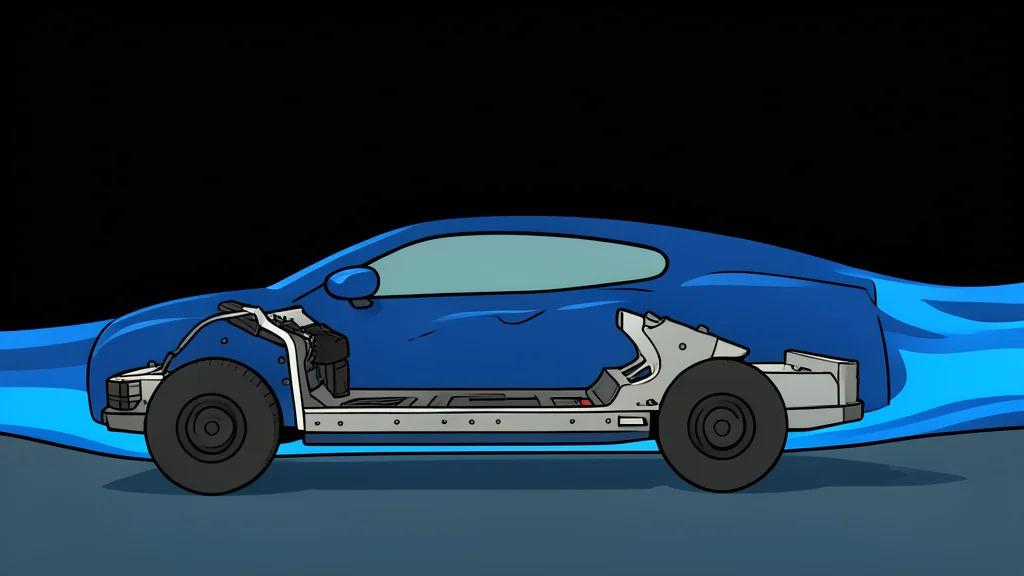
The core of this reported strategy appears to be cost efficiency. Ford is reportedly looking to utilize its new Universal Electric Vehicle (UEV) platform, which is designed specifically for low-cost electric models. This platform is scheduled to debut in early 2027 with the Fathom, a new entry-level electric pickup truck. By leveraging this architecture, Ford aims to produce vehicles that are competitively priced for emerging markets while supporting various body styles, from compact cars to commercial utility vehicles.
Export focus avoids local re-entry
Crucially, these developments do not signal a return to the Indian consumer market. Ford exited domestic vehicle manufacturing in India in 2022, selling its western plant to a local competitor while retaining ownership of the Chennai facility. The current reports emphasize that the Maraimalai Nagar plant is intended for exporting vehicles and components to other regions, particularly across Asia-Pacific. This approach allows Ford to leverage lower manufacturing costs in India without re-entering the complex local retail landscape it previously abandoned.
As reported by GN auto tech/ev, the situation remains in a state of cautious speculation. While the potential for a major industrial upgrade is compelling, the lack of official confirmation means stakeholders must wait for further announcements. The trade-off for Ford is clear: a significant capital commitment in exchange for a potential foothold in global EV supply chains, but without the immediate revenue of local sales.