Amazon Confirms Fix for Fire TV Sideloading Bug
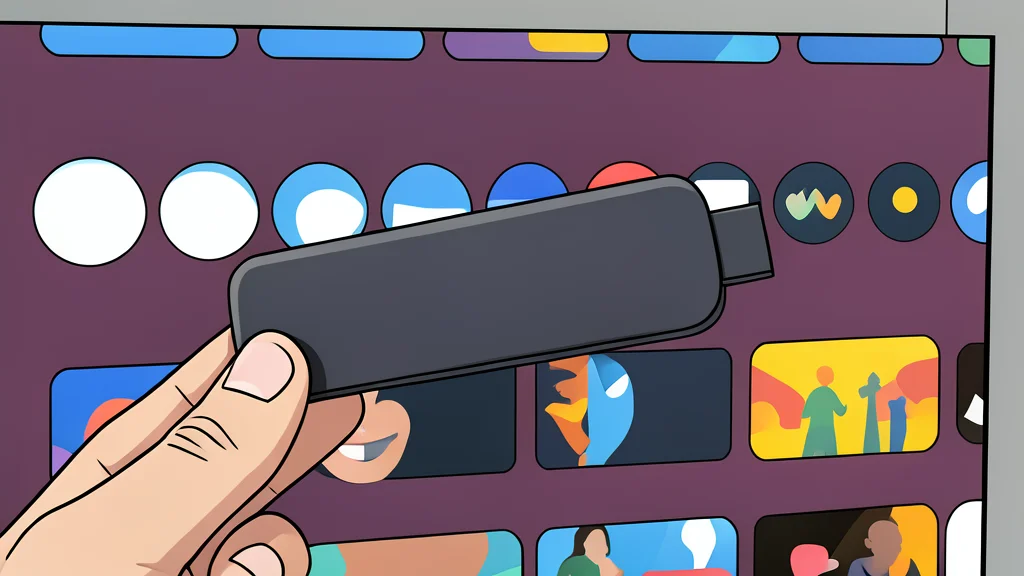
A recent software update caused the app permission list to vanish on some devices, blocking third-party installations. Amazon states this was an error, not a policy shift.
Owners of Amazon Fire TV devices recently discovered they could no longer install third-party applications through popular tools like Downloader. The issue stemmed from a recent software update that hid the "Install unknown apps" list in the settings menu. Without this list visible, users could not grant the necessary permissions to sideload apps, effectively locking them out of a common customization feature.
Amazon has confirmed to XDA Developers and other outlets that this was an unintended bug rather than a deliberate attempt to restrict user freedom. The company says a fix is already in development and will roll out automatically over the coming weeks. However, the timeline remains vague, and the glitch has affected devices inconsistently, leaving some users wondering if they were simply out of luck or if their hardware was specifically targeted.
The missing permissions list
Sideloading on Android-based systems requires explicit permission for each app that installs packages from outside the official store. The bug caused this specific settings list to appear empty or incomplete. Consequently, even if a user had a sideloading app installed, they could not toggle the required permission, causing the installation process to fail immediately. This broke a workflow that many power users rely on for accessing niche applications or alternative media players.
Uneven impact across devices
The problem is not universal. Reports from user communities indicate that the glitch affects some Fire TV Sticks and boxes while leaving others untouched. In some cases, the issue even appears and disappears on the same device. Since the fix is expected to arrive as a background system update, users may not see a major version number change. Checking the "About" section in settings is the only way to manually verify if the update has been applied, though no specific release date has been provided.
Future OS limitations remain
While this specific incident was a bug, the broader context is important. Amazon is currently developing a new operating system called Vega OS, which powers its latest, lower-end streaming sticks. Unlike the current Android-based Fire OS, Vega OS does not support sideloading at all. This creates a significant trade-off for consumers: newer, cheaper hardware loses the ability to install third-party apps, while older or higher-end models retain this functionality. The current bug fix does not change this architectural reality.