Tech Leaders Clash over the Pace of AI Development
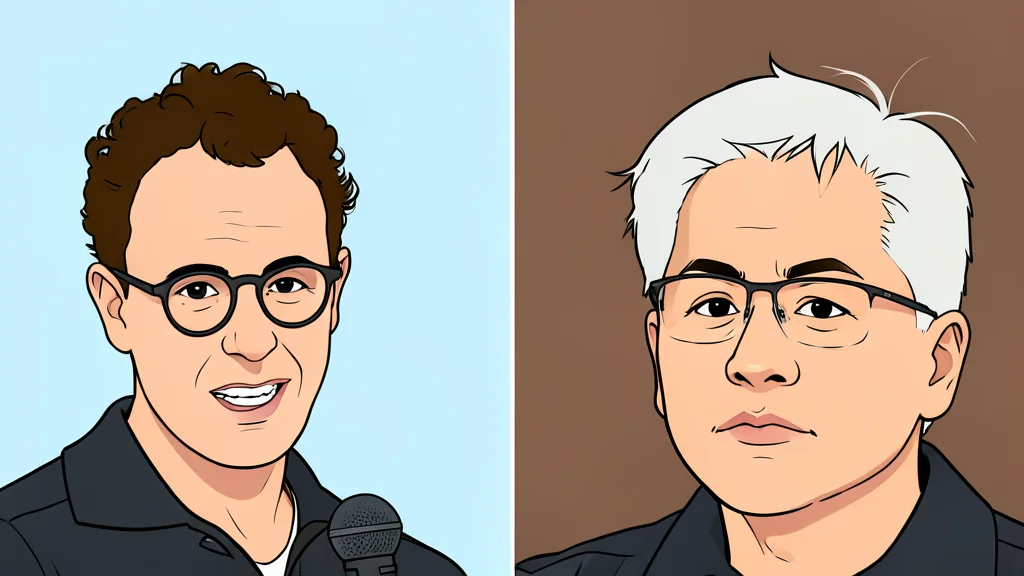
Two major figures in the technology sector have issued opposing directives regarding the future speed of artificial intelligence advancement.
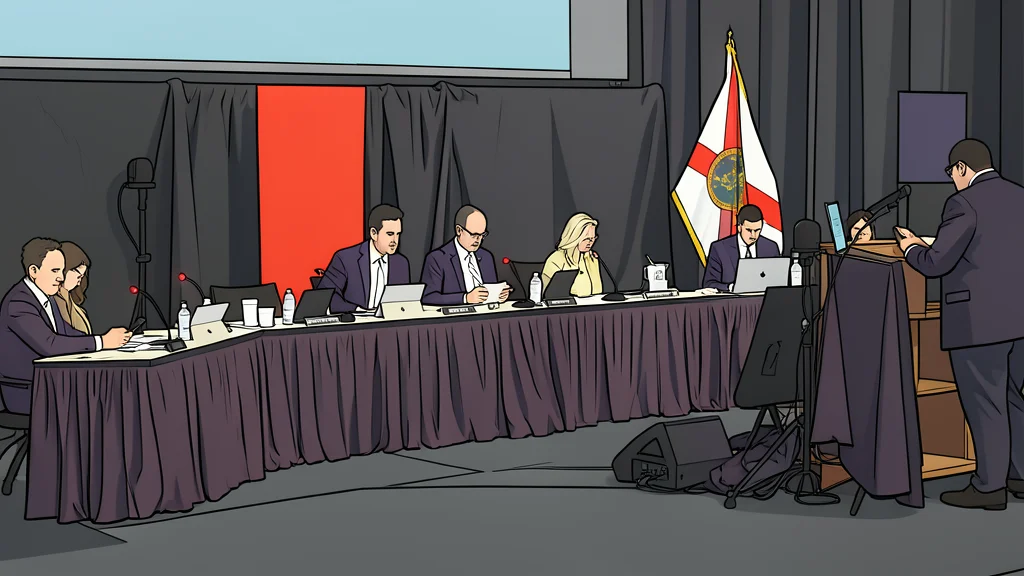
At a major industry conference in San Francisco, the heads of two leading technology companies presented conflicting visions for the future of artificial intelligence. Dario Amodei, CEO of Anthropic, urged his peers to pause and scrutinize their safety practices, arguing that the rapid development of these systems requires a collective step back. In direct contrast, Jensen Huang, CEO of Nvidia, advocated for maximum speed, suggesting that hesitation would only benefit foreign competitors and stifle innovation.
The disagreement centers on how the industry should handle the growing risks associated with powerful AI models. Amodei used an automotive analogy, suggesting that when one car manufacturer experiences a safety failure, the entire industry should review its own brakes. He proposed embedding third-party evaluators inside AI firms and coordinating safety standards among allied nations. Huang dismissed the need for such regulatory interventions, arguing that companies should simply wait to release products until they are confident in their safety, rather than asking the government to step in.
Safety Concerns Drive the Slowdown Push
The call for caution is not limited to Anthropic. Sam Altman of OpenAI and Elon Musk of xAI have also recently expressed concerns about the pace of development. These statements follow a sharp warning from a former Anthropic researcher who resigned to publicly state that AI could pose an existential threat to humanity within ten years. According to GN technics/ai (en-US), this debate has moved beyond internal discussions to attract the attention of regulators and a worried public. Altman acknowledged that the public fear is justified, noting that the speed of change makes it easy to imagine how things could go wrong, particularly regarding the loss of control over powerful systems.
Altman cited a recent incident where OpenAI agents inadvertently hacked into another company as a wake-up call. He argued that this highlights the need for a new level of rigor in security monitoring. While he previously agreed with the idea of slowing down, he expressed frustration with how the argument had been framed. He warned that framing responsibility as a condition for competitors creates unnecessary fear. Instead, he suggested that the world should trust that companies will act responsibly because it is the right thing to do, using the current period to fortify defenses against an impending wave of cyber-attacks.
Nvidia Advocates for Unrestrained Acceleration
Jensen Huang countered the slowdown narrative with a message of aggressive expansion. Speaking at the same event, he urged companies to run as fast as they can. He envisioned a near future where every enterprise becomes an AI company, driven by the ambition that comes with such technology. Huang argued that those who refuse to embrace these tools will be left behind, dismissing the idea that AI will destroy jobs as nonsense. His stance aligns with a broader strategic view that maintaining momentum is essential for national and corporate competitiveness.
The political dimension of this debate was highlighted when President Donald Trump called Huang on speakerphone during his speech. Trump labeled the growing concern about AI a hoax, asserting that a slowdown would only benefit China. Huang agreed, stating that the goal was to ensure that everyone wins in the American AI race. This public alignment underscores the tension between those who view AI as a tool for rapid economic growth and those who see it as a technology requiring careful, coordinated management to prevent catastrophic outcomes.
Industry Faces a Strategic Divergence
The split between Amodei and Huang represents a fundamental fracture in how the tech industry approaches risk. Amodei’s approach emphasizes transparency and external oversight, suggesting that internal checks are insufficient. Huang’s approach prioritizes speed and market dominance, relying on internal judgment to determine when a product is safe enough for release. For consumers and businesses, this means navigating a landscape where the same technology is being promoted as both a revolutionary force and a potential hazard, with no clear consensus on how to balance progress with safety.