Director Ignores Online Backlash for His New Film
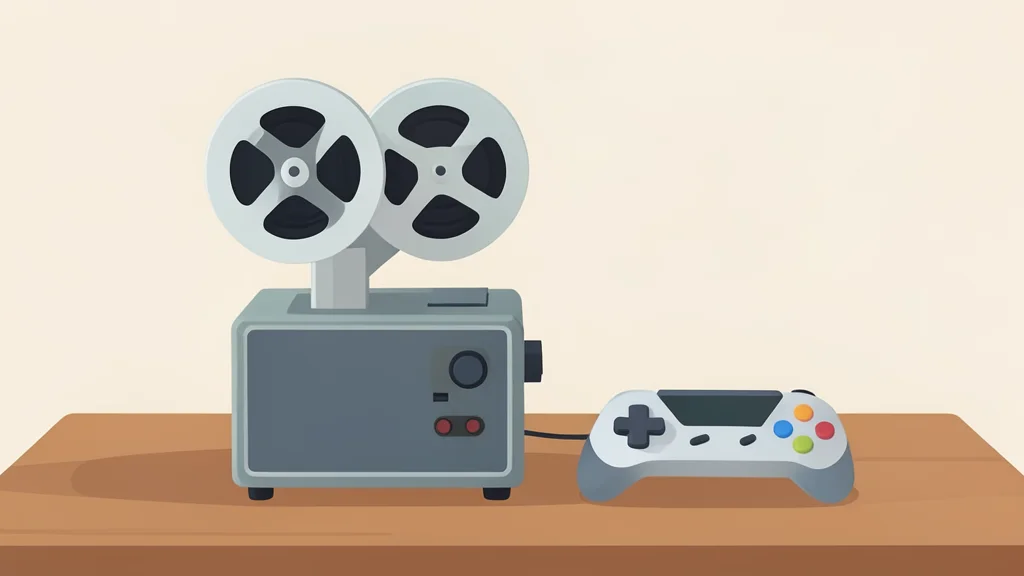
Zach Cregger dismisses online criticism of his Resident Evil movie, stating he is an adult who understands the risks of adapting a major franchise.
Director Zach Cregger has brushed off the anticipated online criticism surrounding his new film adaptation of the Resident Evil franchise. Rather than trying to silence dissenting voices or cater to specific fan demands, Cregger adopted a pragmatic stance, acknowledging that the internet will react however it chooses. He described the situation simply as "the internet is going to internet," suggesting that he views digital outrage as a natural, uncontrollable byproduct of working within the entertainment industry rather than a personal attack.
The friction stems from Cregger’s decision to avoid a direct, shot-for-shot adaptation of Capcom’s original video games. Many long-time fans expressed frustration that the movie does not mirror the specific mechanics or scenes they know from the console versions. However, Cregger stated that he was fully aware of this potential reaction before accepting the project. He emphasized that he is an adult who understands the trade-offs involved in translating a complex medium like video games into cinema, noting that he poked this "mutant bear" with his eyes open.
Prioritizing cinematic flow over game fidelity
The core of the controversy lies in the expectation that film adaptations should serve as faithful ports of their source material. For the Resident Evil series, this often means fans expect the survival horror elements and specific character arcs from the games to be preserved. By opting for a different narrative approach, Cregger prioritized what he felt would work best on the big screen over strict adherence to the original game mechanics. This choice inevitably alienated those who sought a direct translation, but it allowed the director the creative freedom to shape the story according to cinematic pacing and character development.
According to GN auto tech/entertainment, the film is currently in theaters, giving audiences the chance to judge the work on its own merits rather than through the lens of online discourse. Critics have noted that the movie offers a fast-moving experience anchored by strong performances, particularly from Austin Abrams. This suggests that while the film may not satisfy the most rigid purists, it stands as a distinct piece of filmmaking with its own merits, separate from the video game legacy it draws from.
Audiences judge the movie in theaters
The release of the film marks a turning point for the debate, moving it from abstract online arguments to concrete viewer experiences. Cregger’s indifference to the digital backlash is less about arrogance and more about professional detachment. He recognizes that fan communities often operate with a different set of priorities than filmmakers, who must balance narrative coherence with source material respect. By refusing to engage in the "hate," Cregger signals that his confidence in his creative vision remains intact, regardless of the social media sentiment.
For readers, the takeaway is that adaptation is an interpretive act, not a mechanical one. While the source material provided the foundation, the final product is a separate entity designed for a different medium. The director’s stance highlights the ongoing tension between preserving fan expectations and achieving artistic integrity. Ultimately, the success of the film will be determined by its box office performance and critical reception, not by the volume of online complaints.