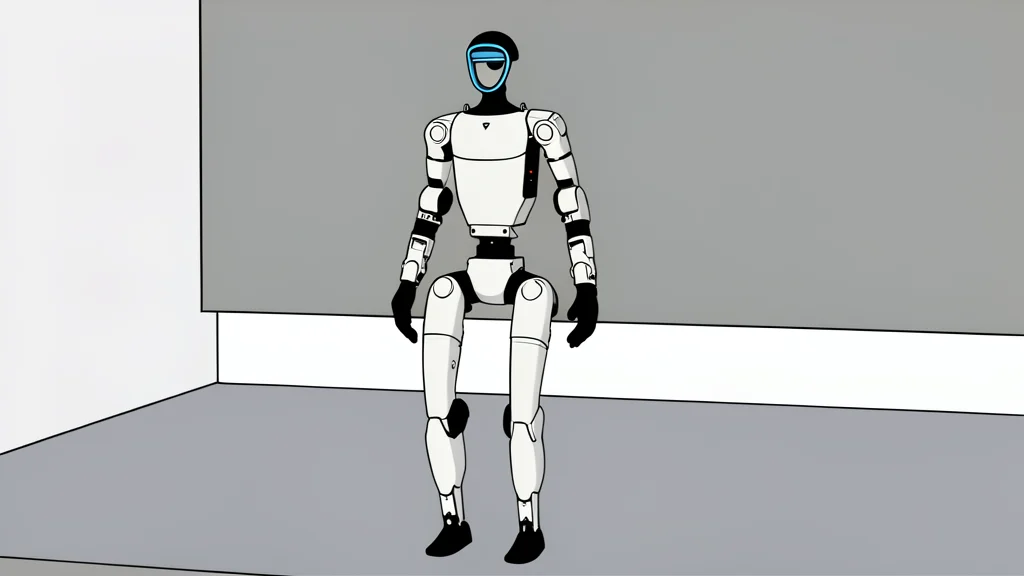
Japan Debuts First Vehicle Dedicated to Repairing Humanoid Robots
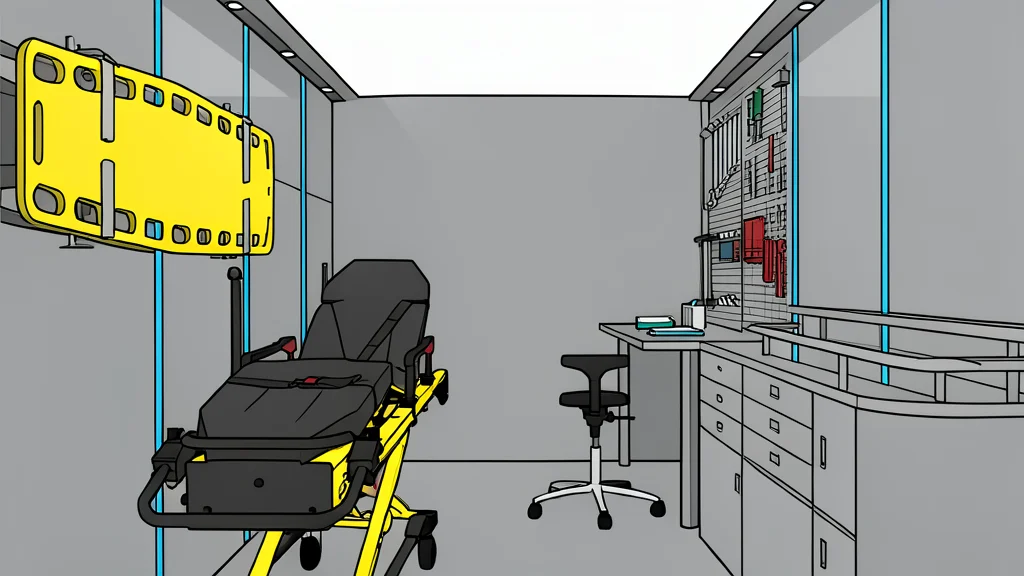
GMO Internet Group is launching a specialized van to handle on-site fixes for humanoid robots, signaling a shift toward dedicated infrastructure for the growing robotics sector.
Japan has introduced the country’s first vehicle specifically designed to service humanoid robots. The initiative, launched by GMO Internet Group, aims to address the maintenance challenges that will arise as these machines become more common in homes and workplaces. This move represents a strategic step toward building the necessary support infrastructure for the expanding robotics market.
The service operates similarly to a traditional medical ambulance but is tailored for mechanical and software issues in automated units. By providing rapid on-site response, the company seeks to minimize downtime for users who rely on these robots for daily tasks, ensuring that technical faults are resolved quickly without requiring owners to transport heavy equipment themselves.
Specialized Van Handles On-Site Repairs
The vehicle resembles a standard white van used for medical emergencies, though it carries custom graphics indicating its specific purpose. Inside, a trained engineer is on board to diagnose and fix malfunctions directly at the customer's location. This approach mirrors how medical teams respond to emergency calls, but with a focus on robotic hardware and software stability.
If the engineer cannot resolve the issue on the spot, the van is equipped to transport the faulty unit to a dedicated repair facility. To prevent service interruption, the company will provide a replacement unit to the customer during the repair period. This trade-off ensures continuous availability of the robot, which is critical for businesses and households that depend on these machines for essential operations.
Market Growth Drives Infrastructure Needs
The introduction of this service is driven by the projected expansion of the global robotics market. Industry analysts estimate that the sector will reach approximately 370 billion US dollars by 2040. Japan aims to capture a significant portion of this value, targeting a market share of nearly 125 billion dollars through government support and private investment in robotics development.
As humanoid robots are increasingly designed for household chores, elderly care, and factory assembly, the need for reliable maintenance becomes paramount. The current model requires owners to handle technical issues or wait for generic service calls, which can be inefficient. A dedicated fleet addresses this gap by specializing in the unique requirements of humanoid mechanics and AI systems.
Strategic Positioning in Global Competition
GMO Internet Group, which supplies robots from various manufacturers, is positioning itself as a key service provider in this emerging ecosystem. The company has already partnered with Japan Airlines to deploy robots for baggage handling at Tokyo's Haneda Airport. This new ambulance service extends that capability by ensuring that these deployments remain reliable and efficient over time.
While the idea may seem niche, it reflects a broader trend of preparing for mass adoption of high-tech hardware. As the number of robotic units in circulation grows, the complexity of managing their lifecycles will increase. This service is likely the first of many specialized solutions that will emerge to support the integration of robots into everyday life, reducing the friction for end-users and encouraging wider acceptance.