Resident Evil Film Frames Gameplay as Character Struggle
Zach Cregger’s new horror film treats video game mechanics not as plot devices, but as sources of genuine human frustration and comedy. The movie finds humor in the gap between digital expectations and physical reality.
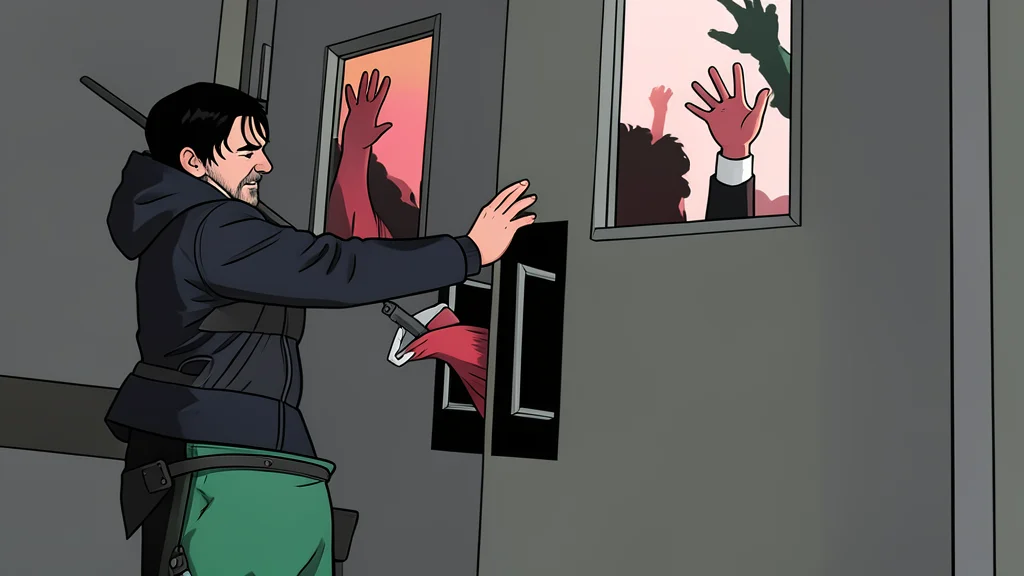
Zach Cregger’s latest adaptation of the Resident Evil franchise offers a distinct perspective for audiences who enjoy shooter games but struggle with their mechanics. The film centers on a protagonist named Bryan, a medical courier who navigates a zombie-infested city while dealing with the awkwardness of handling real firearms. Unlike previous adaptations that focused on lore or spectacle, this version highlights the disconnect between the confidence gained in virtual worlds and the incompetence often displayed in physical ones.
According to coverage from GN auto tech/entertainment: video game, the movie leans into the idea that gaming proficiency does not translate directly to real-world survival. Bryan’s journey involves an escalating progression of weaponry, from pistols to heavier arms, mirroring common video game tropes. However, his constant struggle with aim and accidental misfires serves as a running gag that resonates with players who have ever cursed at a screen for missing an obvious target. The film turns these common gaming frustrations into a central narrative device, blending horror with sharp, observational comedy.
Game Mechanics Drive Narrative Structure
The film is structured like a series of discrete levels, featuring distinct environments that function as puzzles to be solved. Cregger builds the story around a simple quest format, mixing action sequences with platform movement and environmental challenges. This approach differs significantly from other recent video game adaptations, such as the Super Mario Bros. films or the Mortal Kombat sequel, which often prioritize character-driven stories within established lore. Here, the gameplay itself is the plot, creating a rhythm of escalating challenges that feel familiar to any player who has completed a campaign.
This method allows the director to treat game-like scenarios as both realistic survival challenges and comic absurdities. The character’s frustration with padlocked gates and conveniently placed ladders underscores the artificial nature of the obstacles. By focusing on the mechanics rather than just the monsters, the film captures a specific type of humor that arises from the collision of digital logic and physical reality. It is a crisp 90-minute experience that prioritizes momentum and inventive writing over traditional horror tropes.
A Shift From Campy Lore
The previous Resident Evil franchise, spanning six films starring Milla Jovovich, relied heavily on the franchise's obscure lore and campy tone. Those movies were often described as trashy and pseudo-serious, leaning into their own goofiness. Cregger’s reboot takes a different approach by drawing only loosely from the original source material. He retains key elements like the Umbrella Corporation and Raccoon City but strips away the complex narrative webs in favor of a more accessible, action-oriented structure. This shift allows the film to appeal to a broader audience that may not be familiar with the original games.
The trade-off for this streamlined approach is a departure from the dense mythology that long-time fans might expect. Instead, the movie offers a fresh take that feels more like a standalone action-comedy with horror elements. It stands out among recent adaptations for its willingness to deconstruct the genre from the inside, using the language of gaming to explore human imperfection. The result is a film that is as much about the experience of playing a game as it is about the monsters within it.
Humor Derived from Player Frustration
The comedic core of the film stems from the universal experience of being bad at a task you thought you mastered. Bryan’s complaints about not being a gun guy, despite his virtual experience, highlight the absurdity of relying on digital training for physical survival. This meta-commentary adds a layer of wit to the horror sequences, making the jumpscares and action beats land with a different emotional weight. The film acknowledges the viewer’s own relationship with video games, inviting them to laugh at their own struggles with aim and strategy.
By framing the narrative through this lens, the movie creates a unique space in the horror-comedy genre. It does not mock the medium but rather celebrates the quirks that make it engaging. The film’s success lies in its ability to balance tension and humor, ensuring that the viewer remains engaged by the stakes while appreciating the cleverness of the execution. It is a testament to the idea that the best adaptations do not just copy the source material, but interpret it through a new and resonant cultural context.