Gaming Adaptations Finally Find Their Cinematic Footing
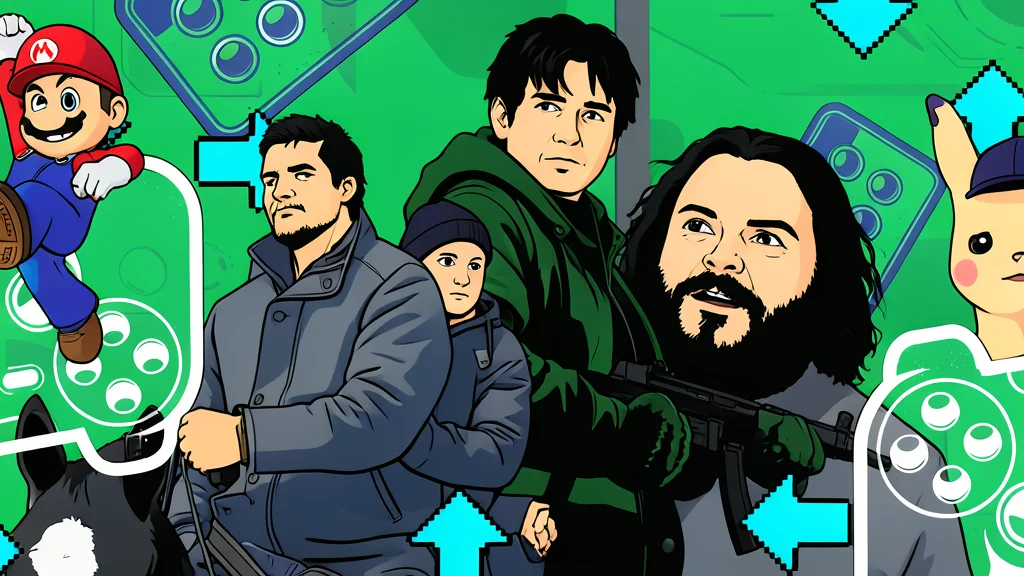
Hollywood’s relationship with video games has shifted from a graveyard of flops to a source of genuine prestige. Recent successes suggest that studios have finally learned how to translate interactive worlds into compelling narratives without losing the soul of the original material.
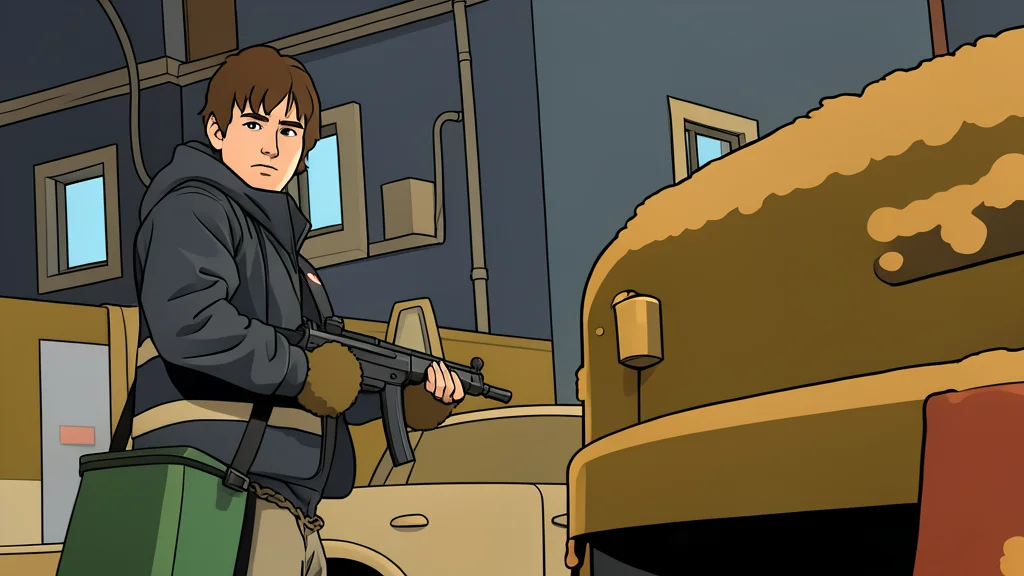
For years, the consensus in the film industry was that video games were unadaptable. Critics argued that the shallow storytelling of most titles could not support the depth required for a two-hour feature. However, the landscape has changed dramatically. With the recent success of projects like The Last of Us and Fallout, it is clear that studios are no longer treating gaming IPs as mere cash grabs. Instead, they are recognizing the rich narrative potential hidden within these interactive experiences. This shift marks a significant departure from the era of poorly executed live-action attempts that defined the early 2010s.
The turning point came when creators stopped forcing games into traditional live-action molds and started respecting the unique aesthetics of the source material. Animation, in particular, has emerged as a powerful tool for this translation. By embracing the stylized visuals of games, filmmakers can capture the feeling of playing rather than just mimicking the plot. This approach has allowed for a more faithful and engaging adaptation process, one that prioritizes emotional resonance over strict fidelity to gameplay mechanics. The result is a new wave of media that appeals to both gamers and general audiences.
Animation unlocks narrative depth
The success of Arcane serves as a prime example of this new philosophy. Based on the world of League of Legends, the series transcended its video game origins by focusing on the tragic relationship between two sisters. The use of painterly animation allowed the creators to convey complex emotions and dramatic weight that live-action might have struggled to achieve. Similarly, the 2024 Super Mario Bros. movie leveraged animation to bring the colorful Mushroom Kingdom to life. By casting the character in a way that suited the medium, the film managed to create a personal story that resonated beyond the simple mechanics of the original game.
Live action finds its voice
Live-action adaptations have also found a path forward, though with different challenges. The Sonic the Hedgehog trilogy demonstrates a willingness to lean into the absurdity and humor of its source material. Rather than trying to take the character too seriously, the films embrace the silliness, creating a tone that feels authentic to the franchise. This approach has resulted in a series that grows more confident with each installment. It proves that live-action can work if it respects the inherent nature of the game, even if that nature is comedic and chaotic.
The trade-off of fidelity
However, this success comes with a significant trade-off. As studios pursue prestige adaptations, there is a risk of over-polishing the raw, experimental elements that often define gaming. The line between faithful adaptation and commercial dilution is thin. While projects like Arcane and the Mario movie have succeeded, they also set a high bar that may pressure future adaptations to conform to similar standards of production value and narrative structure. This could stifle the more niche or experimental games that might not fit into these polished templates. The industry must balance the desire for high-quality storytelling with the need to preserve the diverse and often idiosyncratic spirit of the video game medium.