Used Bookshelf Speakers Outperform Soundbars in Width and Longevity
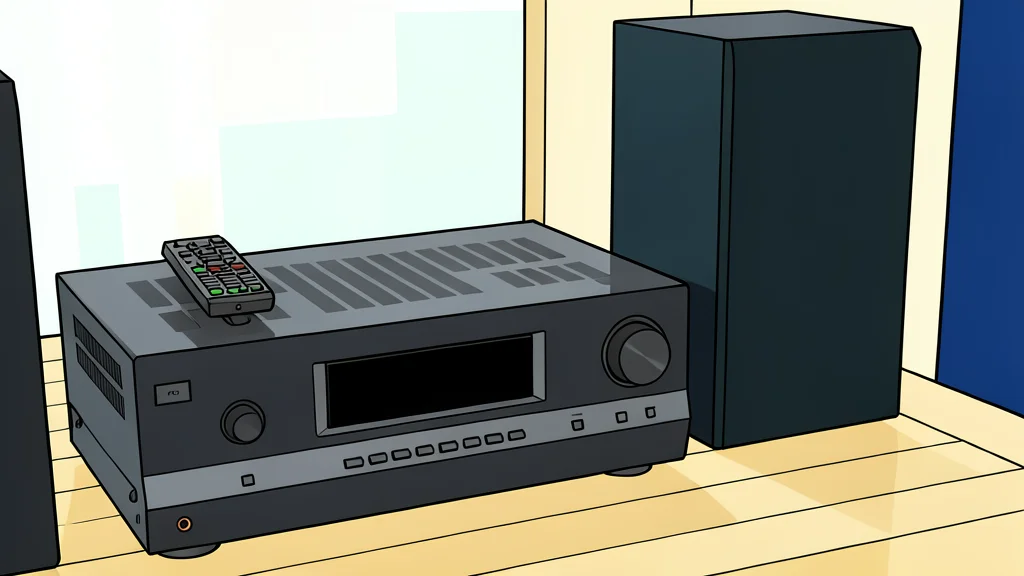
A pair of used speakers and a cheap amplifier offers wider sound and no software dependencies compared to modern soundbars.
Key points
- Separate speakers provide a wider natural soundstage without relying on digital processing to simulate width.
- Smart soundbars face obsolescence when manufacturers shut down cloud services, disabling core features.
- Passive speakers offer long-term reliability as they do not require software updates or cloud connectivity.
A recent analysis by XDA Developers suggests that a pair of used bookshelf speakers connected to a basic amplifier often provides a superior listening experience compared to high-end soundbars. The core issue is not just audio quality, but physical geometry and long-term reliability. While soundbars rely on complex digital processing to simulate a wide soundstage, traditional speakers use straightforward physics that do not depend on software updates or cloud services.
The primary technical advantage of separate speakers lies in their physical spread. A typical soundbar, even a wide one, occupies a narrow angular range relative to the listener, forcing the device to artificially widen the sound using digital tricks. In contrast, two speakers placed apart create a genuine stereo field that matches how human ears naturally perceive spatial audio, eliminating the need for computational guesswork about room acoustics.
Physical geometry beats digital simulation
Soundbars often struggle to create a convincing sense of width because they are physically compact. Manufacturers like Sonos acknowledge this by using terms like "phantom height channels" to describe their digital processing. However, this approach requires the device to calculate and project sound in ways that may not align with the specific acoustics of a user's room. If the ceiling height or material is not ideal, the bounced sound can become muddy or ineffective.
Bookshelf speakers avoid these limitations by simply occupying more space. By placing two speakers several feet apart, users create a natural stereo image that spans a wider angle. This setup does not require a powerful processor to fake spatial cues. The sound comes from where the speakers are, providing a clearer and more consistent experience regardless of the room's specific architectural features.
Cloud dependency creates obsolescence risks
Modern smart speakers and soundbars are increasingly reliant on cloud services for basic functions. A notable example is Bose, which announced it would shut down the cloud services supporting its SoundTouch line in 2026. This shutdown will disable features like voice control, music browsing, and stereo pairing for these devices. Once the servers are offline, users lose access to features that were marketed as standard.
In contrast, passive bookshelf speakers have no software to retire. They do not require firmware updates, security patches, or cloud connectivity to function. A pair of speakers and a simple amplifier will continue to work as long as the hardware is intact. This durability makes them a more sustainable choice for listeners who want their audio equipment to remain functional for decades without depending on a manufacturer's server infrastructure.
Convenience remains the soundbar advantage
Despite the technical and longevity benefits of separate speakers, soundbars retain a significant edge in convenience. A soundbar is a single unit that connects via one HDMI cable, making setup simple for most users. The TV remote typically controls the volume, and the device fits neatly under the television. For those who prioritize ease of installation and a clean aesthetic over maximum spatial accuracy, the soundbar remains a practical choice.
However, for those willing to invest a little more time in setup, the combination of used speakers and a cheap amplifier offers a robust alternative. It provides a wider, more natural soundstage and immune to the digital obsolescence that plagues smart audio devices. The trade-off is the need for physical space and a separate amplifier, but the result is a listening experience that relies on simple, enduring physics rather than temporary software magic.