Resident Evil Reboot Aims for $80 Million Opening Weekend
The new Resident Evil film targets an $80 million opening, betting on a director known for horror precision to finally match the game’s success.
Key points
- The new Resident Evil film is projected to open at $80 million, matching its production budget.
- Director Zach Cregger uses cinematic techniques that mimic first-person video game perspectives.
- Critics praise the lead performance but note a tonal shift toward comedy in the final act.
The long-running Resident Evil franchise is attempting its most ambitious cinematic leap yet with a fresh reboot directed by Zach Cregger. After decades of video game dominance and previous film adaptations that failed to capture the original spirit, this new entry promises a high-budget experience designed to resonate with both casual viewers and dedicated fans.
According to reporting from Region Riverina, the film is currently showing in cinemas with a projected opening weekend of $80 million, which matches its production budget. This financial target signals a significant gamble by the studio, relying on Cregger’s recent success to finally bridge the gap between the game’s intricate horror and the big screen.
A protagonist built for survival
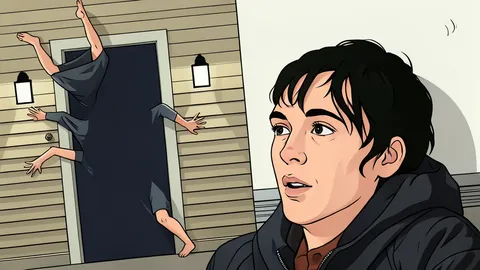
Austin Abrams leads the cast as Brian, a medical courier who becomes trapped in Raccoon City. His performance is praised for capturing the genuine confusion and dread of a person who is completely out of their depth. Rather than portraying a seasoned action hero, Abrams embodies the terrified uncertainty that defines the early moments of the video games.
This approach allows the film to maintain a grounded tone, as the character’s lack of answers mirrors the experience of players navigating dark, dangerous corridors. The review notes that this relatable vulnerability makes the survival elements feel more authentic and engaging than in previous adaptations.
Direction mirrors gameplay mechanics
Director Zach Cregger employs cinematic techniques that directly reference the source material, such as shifting between first and third-person perspectives. A notable example involves a shotgun sequence where the camera mimics a head-mounted view, creating an immediate sense of immersion. This stylistic choice reinforces the connection between the film and the interactive nature of the games.
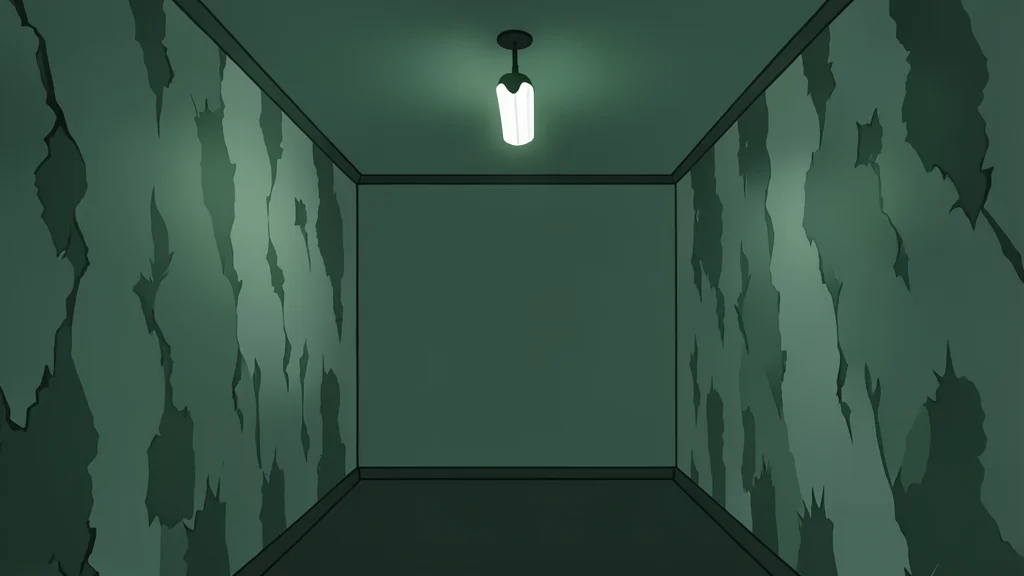
The horror elements rely less on sudden jumps and more on sustained tension through slow camera movements and atmospheric dread. This methodical build-up is credited with delivering a more sophisticated scare, appealing to audiences who prefer psychological pressure over cheap shocks. The visual style is described as a faithful translation of the game’s iconic aesthetics.
Trade-offs in the final act
Despite the strong first half, the film faces criticism regarding its conclusion, where the tone shifts noticeably toward dark comedy. Some viewers may find this tonal dissonance jarring, as it contrasts sharply with the relentless survival horror of the earlier scenes. This deviation is cited as the primary weakness in an otherwise highly effective adaptation.
The ending also serves as a nod to specific game narratives, which may satisfy long-time fans but could frustrate those seeking a standalone cinematic arc. Ultimately, the film’s success will depend on whether its $80 million opening validates the studio’s decision to invest in this particular creative direction for the franchise.