Leapmotor Outsells Subaru and Mitsubishi in Q2 2026
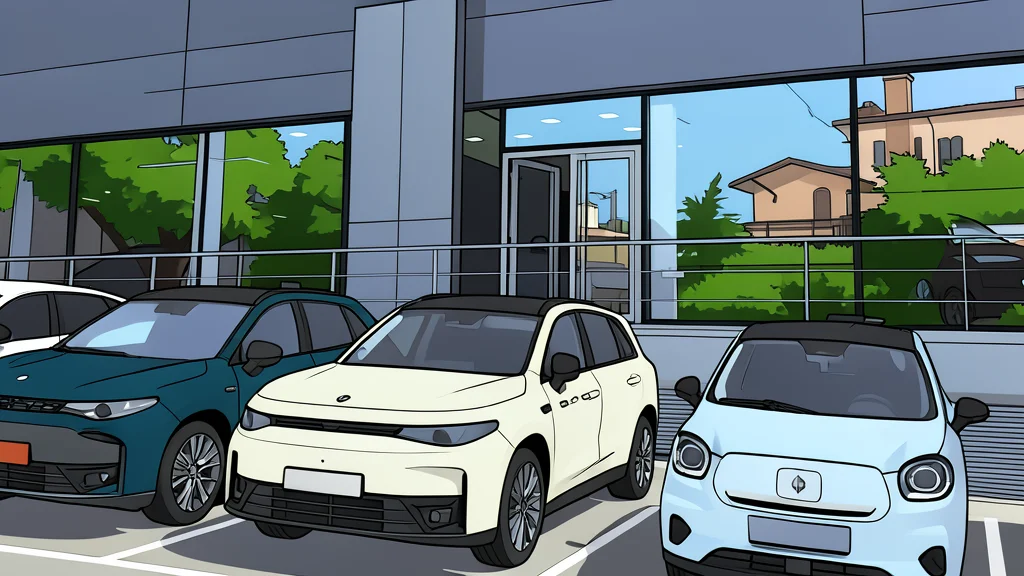
The Chinese EV maker delivered 240,000 cars, surpassing two Japanese rivals while leveraging Stellantis infrastructure.
Key points
- Leapmotor delivered 240,000 vehicles in Q2 2026, surpassing Subaru and Mitsubishi in global sales.
- A joint venture with Stellantis provided immediate access to over 850 European sales points.
- Local production in Spain helps Leapmotor avoid EU import duties on Chinese-built EVs.
Chinese electric vehicle startup Leapmotor has overtaken Subaru and Mitsubishi in global sales for the first time. In the second quarter of 2026, the company delivered a record 240,000 vehicles, a figure that exceeds Subaru’s 230,000 and Mitsubishi’s 170,000 units. This milestone marks a significant shift in the global automotive hierarchy, occurring while market leaders Toyota and Volkswagen both reported declining sales volumes over the same period.
According to Automotive World, this surge is driven largely by rapid expansion in Europe. Overseas markets now account for roughly 20% of Leapmotor's total sales, up sharply from 6% a year earlier. The majority of this international volume comes from the European region, where the brand has aggressively expanded its presence and market share.
European demand drives rapid growth
Leapmotor’s success in Europe is evident in countries like Italy, where sales jumped thirteenfold year-on-year. Between January and August, the company sold 24,450 vehicles in Italy, capturing 27% of the country's electric vehicle market. This performance significantly outpaces pioneer Tesla, which holds a 9% share in the same market. The low-cost T03 model, priced around €15,900, remains a key driver of this volume.
Stellantis partnership reduces entry barriers
Leapmotor did not build its European distribution network from scratch. Instead, it relies on a joint venture with Stellantis, which is 51% owned by the latter. This arrangement granted Leapmotor immediate access to over 850 points of sale across Europe. Rivals like BYD and Nio have spent years and billions of dollars assembling similar networks, whereas Leapmotor bypassed this costly phase entirely.
Local manufacturing further strengthens this position. Stellantis is adding production of the Leapmotor B10 at its Zaragoza plant in Spain during the second half of 2026. Additionally, ownership of the Villaverde plant in Madrid is planned for transfer to Leapmotor International by early 2028. These moves are designed to meet EU 'Made in Europe' content requirements and avoid import duties on Chinese-built vehicles.
Rivals face structural challenges
The decline of Subaru and Mitsubishi reflects a deeper strategic retreat rather than a single weak quarter. Subaru has indefinitely delayed four in-house electric models and converted a planned dedicated EV factory back to combustion production. It also absorbed a significant impairment on its electrification assets. Mitsubishi has paused its proprietary EV development entirely, leaving both brands dependent on partners for electric technology.
Meanwhile, Leapmotor maintains a cost advantage through vertical integration. The company develops roughly 65% of its vehicle components in-house, including batteries and electronic architecture. This internal structure delivers an estimated 10% per-vehicle cost advantage over competitors who rely on outside suppliers, allowing Leapmotor to offer competitive pricing while maintaining margins.