2027 Porsche Cayenne Electric Adds Minor Features
Porsche launches the 2027 Cayenne Electric with new options like electric doors. Powertrain and range remain unchanged from last year.
Key points
- The 2027 Porsche Cayenne Electric retains the same 113-kWh battery and performance specs as the 2026 model.
- New optional features include power-operated doors and a massage function with 4D audio.
- The SUV offers EPA-estimated ranges up to 325 miles, with the Coupe variant reaching 339 miles.
Porsche has opened the configurator for the 2027 Cayenne Electric, though the core driving experience remains identical to the 2026 model. The German automaker is introducing a handful of new customization choices, such as optional power-operated doors and a premium massage function with 4D audio. Despite these additions, the fundamental performance metrics, including battery capacity and acceleration times, have not been altered.
The new model year is primarily a cosmetic and comfort update rather than a technical overhaul. Customers can select from 92 additional paint shades through a special program, but the underlying 113-kilowatt-hour battery and dual-motor drivetrain stay the same. Deliveries for this refreshed version are scheduled to begin in the first quarter of 2027, following the initial launch of the electric SUV earlier this year.
Performance specs remain unchanged
The Cayenne Electric continues to offer three power levels, ranging from a base version to the high-performance Turbo. The top-tier model produces 850 kilowatts of power, allowing it to accelerate from zero to 60 miles per hour in just 2.4 seconds. This rapid acceleration is consistent across both the standard SUV and the more aerodynamic Coupe body styles, which share the same powertrain options.
Range estimates for the 2027 model are expected to mirror the 2026 figures, with the EPA listing 298 to 325 miles for the SUV and up to 339 miles for the Coupe. These figures can vary based on wheel size and efficiency settings. According to independent testing by State Of Charge, a pre-production model achieved 353 miles at a steady highway speed, suggesting real-world performance aligns closely with manufacturer claims.
Charging ports split by location
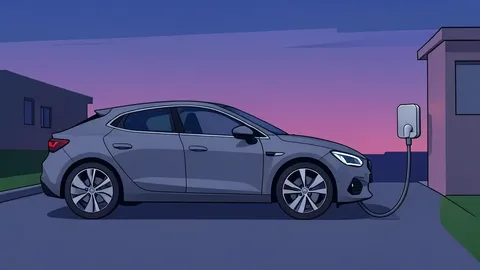
The vehicle features two distinct charging ports located on opposite sides of the rear bumper. The driver’s side houses the NACS port for DC fast charging, which is compatible with Tesla Superchargers and other NACS stations. The passenger’s side contains a separate SAE J1772 port for AC charging. This dual-port setup ensures compatibility with both public fast-charging networks and standard residential or workplace chargers.
The 800-volt battery architecture allows for high-speed charging, with the ability to split the pack to access 400-volt chargers if necessary. This flexibility is useful for drivers who may encounter older charging infrastructure. However, the need to manage two different port types and locations adds a layer of complexity for users compared to single-port competitors.
New comfort features cost extra
The most notable addition for the 2027 model is the option for automatic power doors, a feature previously reserved for higher-end luxury vehicles. This option allows doors to open and close electronically, improving convenience in tight parking spaces. Additionally, the new massage function integrates with a 4D audio system to create a more immersive cabin experience for front-seat occupants.
While these features enhance the luxury feel, they come at a premium price, as they are optional rather than standard equipment. According to EVChargingStations.com, the core pricing and range have not changed, meaning buyers must pay extra for these specific upgrades. The trade-off is a more personalized vehicle, but at a higher total cost than the base 2026 model.