Volvo EX30 Review: 2026 Model Trades Gauges for Screen
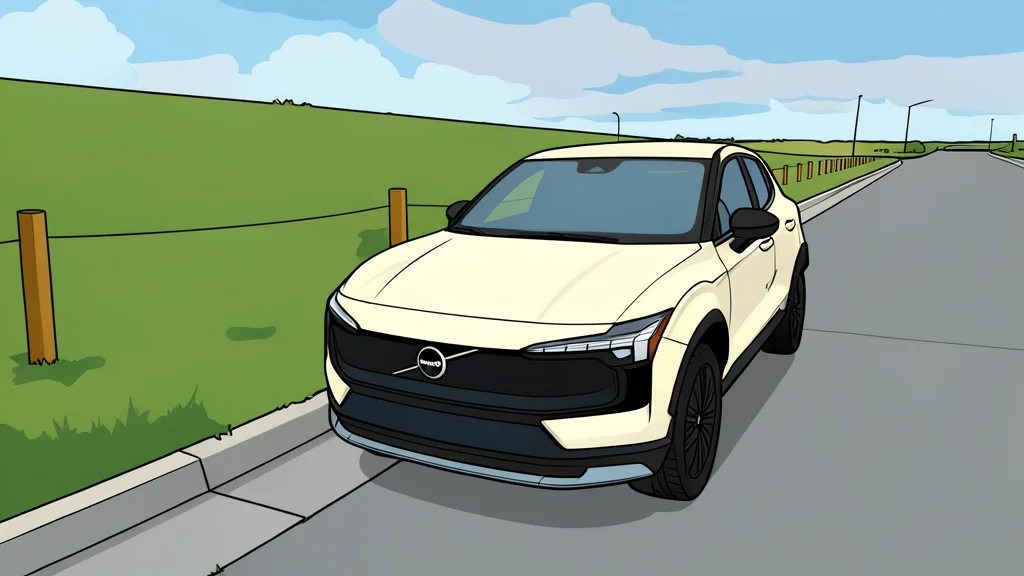
The 2026 Volvo EX30 offers fast acceleration but removes the instrument cluster, forcing drivers to rely on a central touchscreen for speed data.
Key points
- The 2026 Volvo EX30 removes the instrument cluster, displaying speed and driving data on the central touchscreen.
- The Twin Motor model achieves 0-60 mph in 3.4 seconds but offers a real-world range closer to 200 miles.
- Many vehicle functions, including climate and glovebox, are controlled exclusively via the touchscreen interface.
The 2026 Volvo EX30 presents a striking contrast between its sleek exterior and its controversial interior design choices. While the compact electric SUV looks premium and drives with genuine agility, it eliminates the traditional instrument cluster entirely. Instead, critical driving data like speed is displayed on the central infotainment screen, a decision that challenges the brand's long-standing safety reputation.
Reported by New Atlas, the vehicle starts at approximately $40,345 and offers impressive performance, with the Twin Motor version accelerating from 0 to 60 mph in 3.4 seconds. However, the minimalist approach extends to physical controls, with many functions, including climate and glovebox access, requiring touchscreen interaction. This creates a trade-off where aesthetic cleanliness compromises immediate driver access to essential vehicle information.
Performance meets practical compromises
Real-world driving reveals that while the car is quick and handles well, the steering feels light and vague, reducing the tactile feedback expected in a sporty vehicle. Range also falls short of estimates, with real-world testing closer to 200 miles compared to the EPA-estimated 253 miles for the performance model. The ride quality is comfortable for city streets, though road noise is more noticeable than typical for an electric vehicle.
Safety concerns from removed gauges
The removal of a dedicated driver-facing display means checking speed requires looking away from the road, triggering constant safety warnings from the vehicle's systems. This creates a frustrating cycle where verifying basic information distracts the driver, undermining the car's safety profile. Critics argue this prioritizes a clean dashboard aesthetic over intuitive usability, a significant oversight for a company built on safety heritage.
Charging and software integration details
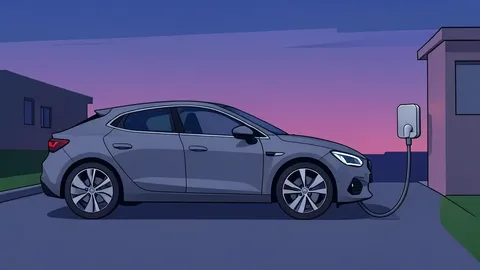
The EX30 supports fast charging at up to 153 kW and includes an adapter for the North American Charging Standard, expanding network access. The cabin features a 12.3-inch display running Android Automotive, offering good navigation integration but with mixed results for Apple CarPlay compatibility. While the interior uses recycled materials and offers clever storage, the lack of physical buttons for common tasks like mirrors and climate control remains a significant usability hurdle.