Toyota Targets China with 400,000 Range-Extender EVs Annually by 2028
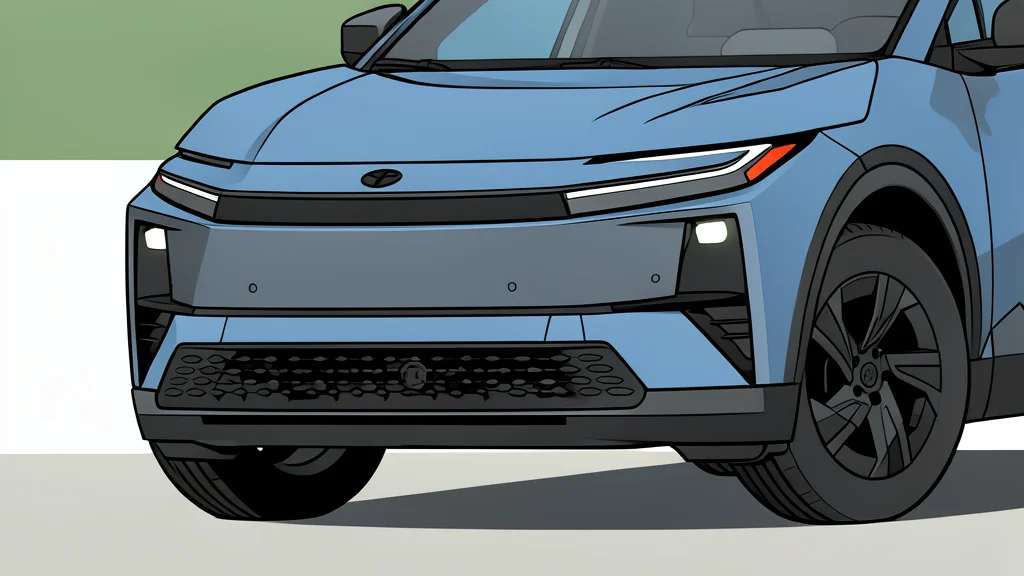
Toyota is bypassing the US to launch its first range-extender electric vehicles in China, aiming for 400,000 units per year by 2028.
Key points
- Toyota plans to produce 200,000 range-extender EVs in China in the first year, scaling to 400,000 by 2028.
- US markets will not receive these Toyota models initially, with competitors like Jeep and Hyundai launching similar vehicles first.
- Range-extender technology uses a gas generator to charge the battery, allowing for longer total range without massive battery costs.
Toyota has announced plans to produce its first dedicated range-extender electric vehicles, but not in the United States. The Japanese automaker is targeting the Chinese market, where it aims to build 200,000 units in the first year and scale up to 400,000 annually by 2028. This strategic move highlights a growing industry shift toward hybrid-electric powertrains that use a small gas generator to recharge the battery while driving.
These vehicles differ from traditional plug-in hybrids like the Prius or RAV4. In a range-extender setup, the wheels are driven exclusively by electric motors, while the internal combustion engine acts solely as a backup power source. This design offers customers the convenience of electric driving with the security of a fuel tank, addressing range anxiety without requiring massive, expensive battery packs.
China becomes the primary launch market
According to reports from Nikkei, which CarBuzz cited in its coverage, production of these new models is set to begin in April. The decision to focus on China rather than the US is strategic, given that Chinese automakers have already established a strong foothold in this segment. For Toyota, this represents a test case for a technology that could eventually expand to other regions if the Chinese market responds favorably.
The specific model details remain unclear, but industry analysts suggest these will likely be larger vehicles such as SUVs or trucks. These body styles benefit most from range extenders because their higher weight and towing requirements make large batteries cost-prohibitive. By using a generator, Toyota can keep battery costs down while still offering substantial total driving range.
US buyers face delayed arrival
American consumers interested in this technology will have to wait for competitors. Jeep is set to launch the Wagoneer REEV by the end of the year, featuring a 92-kWh battery and a 3.6-liter V6 generator. This vehicle offers an estimated 150 miles of electric-only range and a total range of approximately 500 miles, with a starting price under $70,000.
Following Jeep, Hyundai plans to introduce the Santa Fe EREV, which will be manufactured in the US. Further down the line, Scout and Ford are expected to enter the market with their own range-extender models, including the next-generation F-150 Lightning. Ford has claimed a total range of 700 miles for its upcoming truck, positioning it as a long-distance competitor to the new Toyota offerings.
Trade-offs between range and cost
The core appeal of range-extender electric vehicles lies in balancing battery size with fuel flexibility. A pure electric vehicle with a 500-mile range requires a significantly larger and more expensive battery than a range-extender that achieves the same distance using a mix of electricity and gasoline. This makes EREVs a potentially more affordable entry point for large vehicles, though they retain the complexity of maintaining both an electric drivetrain and a combustion engine.
However, the technology is not a perfect solution. The gas generator still produces emissions, meaning these vehicles do not offer the zero-tailpipe-emission benefit of a full EV. For Toyota, the bet is that consumers in China will value the flexibility and lower upfront battery cost over the purity of full electrification. If this strategy succeeds, it could reshape how automakers approach long-range electric mobility globally.