22 EVs Complete 230km Test with Varying Charging Costs
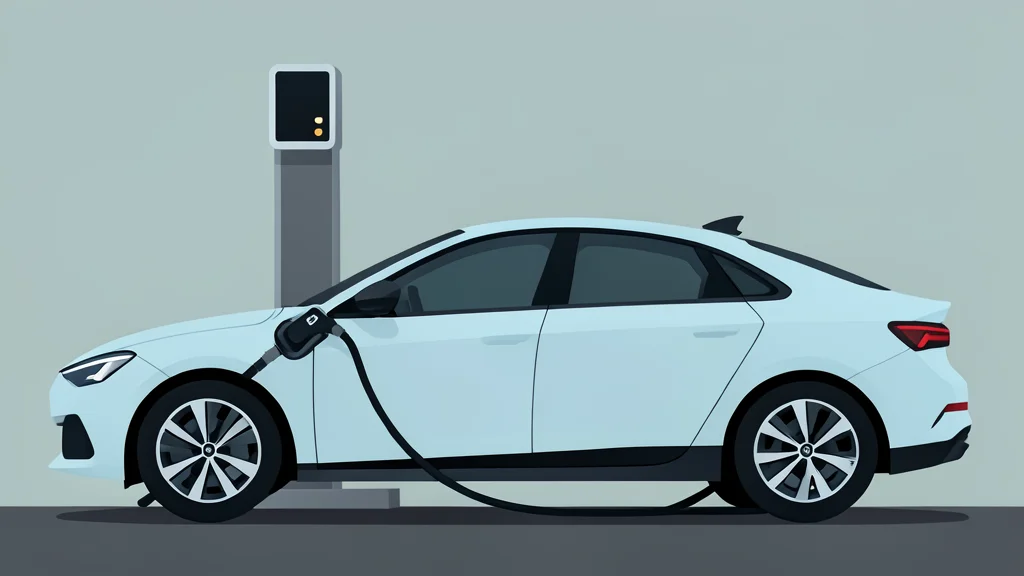
New CAA data shows all tested electric vehicles finished a 230km route without recharging, but significant gaps remain in efficiency and price.
Key points
- All 22 electric vehicles in the CAA test completed a 230-kilometre route without recharging, using an average of 40 per cent of their battery.
- A 15-minute charging session added an average of 110 kilometres of range, with individual vehicle results ranging from 58 to 178 kilometres.
- The average cost for a 15-minute fast-charging session was $13.45, though efficiency and charging speed varied significantly between models.
The primary concern for many potential electric vehicle buyers is no longer whether the car can reach its destination, but rather how it performs once it gets there. Results from the 2026 CAA EV Circuit indicate that while range is no longer a barrier for most models, the experience of recharging varies significantly across the market.
All 22 vehicles in the test completed a 230-kilometre route from Blue Mountain to Vaughan, Ontario, without needing to plug in. On average, these cars used only 40 per cent of their battery capacity to cover the distance. This suggests that the conversation around electric mobility is shifting from basic capability to practical efficiency and cost management.
Efficiency gaps persist between models
While all electric vehicles outperformed traditional gasoline cars in energy use, the spread among the EVs themselves was wide. Energy consumption ranged from 11.43 to 28.91 kilowatt-hours per 100 kilometres depending on the vehicle's size and design. This variation means that two drivers covering the same distance can face very different energy bills and charging times.
Temperature also plays a major role in performance. The September 2026 tests showed vehicles consuming roughly 40 per cent less energy than those tested in winter conditions the previous year. For Canadian drivers, this highlights that real-world efficiency is heavily influenced by the season, not just the specific model on the road.
Charging speed varies by vehicle
A standardized 15-minute charging stop added an average of 110 kilometres of range to the test fleet. However, the results were not uniform. Some vehicles gained as little as 58 kilometres of range, while others added up to 178 kilometres. This disparity means a short break at a rest stop can be transformative for some drivers but barely noticeable for others.
Factors such as battery temperature and the state of charge at the time of plugging in contribute to these differences. Drivers planning longer trips need to understand that the number of kilometres added during a stop is not a fixed metric, but a variable dependent on specific conditions.
Costs remain a key variable
The average cost for a 15-minute fast-charging session in the test was $13.45. While this provides a baseline, the actual cost experienced by drivers can fluctuate based on location and charger availability. The data underscores that while the vehicle can go the distance, the financial and time costs of recharging remain the primary points of differentiation for consumers.