Banned Dahua Cameras Found in Leapmotor EVs
Australian investigators discovered surveillance hardware from a banned Chinese firm inside consumer electric vehicles, raising privacy concerns.
Key points
- Dahua Technology cameras, banned from Australian government sites, are installed in Leapmotor electric vehicles.
- ASIO advised officials to avoid sensitive conversations in connected cars due to inherent surveillance capabilities.
- Vehicle manufacturers currently lack a legal obligation to disclose what data their onboard sensors collect.
A recent investigation revealed that Dahua Technology, a manufacturer barred from Australian government sites, supplies camera modules for Leapmotor electric vehicles sold to the public. This discovery creates a significant security paradox, as the same hardware deemed too risky for official buildings is now standard in private cars.
The findings, reported by ABC News, highlight a gap in consumer protection. While agencies removed these cameras from secure facilities, no current regulations prevent vehicles equipped with them from operating near sensitive locations, leaving drivers and passengers exposed to potential data collection.
Banned Hardware in Consumer Cars
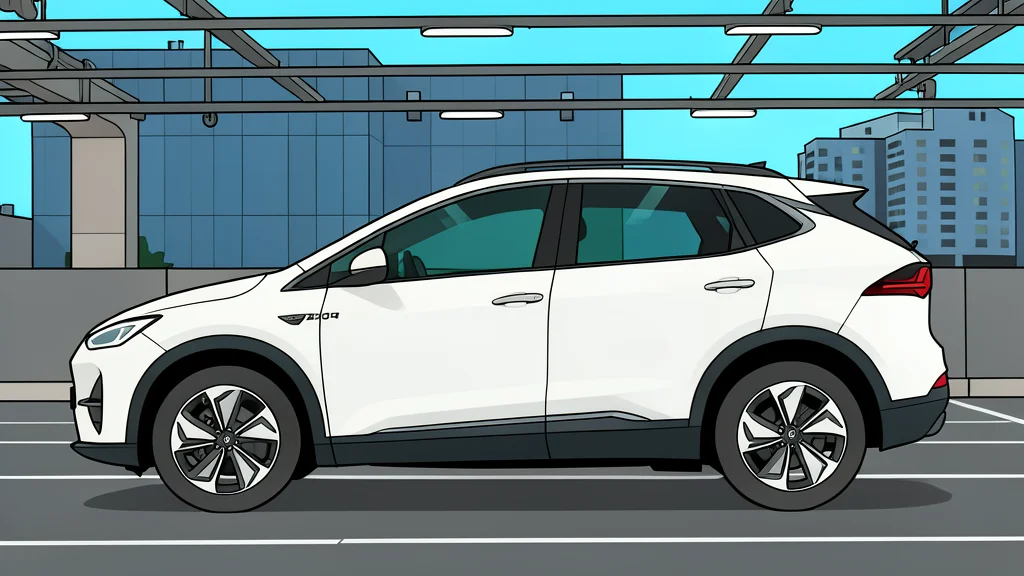
Dahua’s equipment was excluded from Australian Defence and government sites starting in 2023 due to national security concerns. The Leapmotor C10, identified in the report, contains six cameras that capture both the vehicle's exterior and interior. This setup allows for continuous monitoring, a capability that was previously restricted in high-security environments.
The core issue is not necessarily a hack, but the inherent design of these devices. As noted by cybersecurity experts, always-on sensors do not need to be breached to function as surveillance tools. They are built to collect and transmit data, meaning the risk exists by default rather than through external manipulation.
Official Warnings on Vehicle Safety
This revelation follows a warning from the Australian Security Intelligence Organisation (ASIO) in May 2026. ASIO advised parliamentarians and public servants to avoid sensitive conversations in internet-connected vehicles, regardless of the manufacturer. Officials noted that over 30 percent of eligible government work vehicles are Chinese-made electric cars, underscoring the widespread presence of these technologies.
The advice reflects a broader concern about the opacity of connected cars. Manufacturers have not been required to disclose what data their onboard sensors collect or where it is transmitted. This lack of transparency makes it difficult for users to assess the privacy risks associated with their daily commute.
Regulatory Gaps in Data Privacy
Leapmotor did not respond to inquiries from the investigative team, a silence that has fueled criticism from cybersecurity professionals. The industry faces no legal obligation to explain the data practices of their embedded hardware. This gap leaves consumers without a clear understanding of who can access their in-car data or how it might be used.
The situation underscores the need for updated regulations that address the specific risks of autonomous and connected vehicles. As these cars become more common, ensuring that their sensor suites are subject to the same scrutiny as traditional surveillance equipment is crucial for maintaining public trust and security.