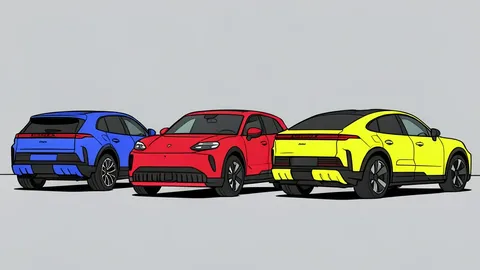
XPENG G9L SUV Targets 64 Markets with Robot-Same AI Chip
XPENG’s new G9L SUV shares its Turing AI chip with the company’s humanoid robot and targets 64 global markets starting with a Paris debut.
Key points
- The G9L SUV uses the same Turing AI chip as XPENG's humanoid robot to power its smart driving features.
- The vehicle passed 192 crash tests and covered over 6.74 million kilometers during three years of global testing.
- XPENG will produce the car in Austria using Magna's facilities, marking the fourth model assembled at that plant.
XPENG has unveiled its G9L flagship SUV in Beijing, positioning it as a premium electric vehicle designed for a global audience rather than just the domestic Chinese market. The company plans to launch the model in 64 countries, with the official European debut scheduled for the Paris Motor Show on October 12.
The vehicle is notable for using the same Turing AI chip that powers XPENG’s humanoid robot, IRON. This hardware supports the car’s advanced driver-assistance features and intelligent cockpit, reflecting the manufacturer’s strategy to apply robotics technology to automotive engineering.
Shared Hardware Connects Cars and Robots
By equipping the G9L with the VLA 2.0 system and the Turing chip, XPENG aims to blur the line between autonomous vehicles and robotics. The company argues that building a unified AI foundation allows for more efficient development of smart driving capabilities.
However, this approach carries a trade-off. Relying on complex, high-end computing hardware increases the vehicle's cost and technical complexity. It also places a heavy burden on the software team to ensure that the advanced AI features function reliably across diverse driving conditions and regulatory environments.
Rigorous Testing Across Six Million Kilometers
To meet the strict requirements of international safety standards, the G9L underwent extensive validation. According to futuretransport-news.com, the vehicle completed 192 crash tests across four major global protocols, including Euro NCAP and C-NCAP.
The testing phase spanned three years and 26 different countries, covering a total distance of more than 6.74 million kilometers. This extensive mileage was necessary to verify the powertrain's durability in extreme climates and to ensure the car meets five-star safety ratings in key markets.
European Production via Magna Partnership
Production of the G9L will begin in Guangzhou, China, and Graz, Austria. The Austrian facility is operated by contract manufacturer Magna, a partnership that has allowed XPENG to assemble four different models in Europe within a single year.
Using Magna’s existing infrastructure reduces the need for XPENG to build new factories, which speeds up market entry. The catch is that this reliance on a third-party manufacturer means XPENG has less direct control over its European supply chain and production timelines compared to its domestic operations.