Canadian Truckers Share Electric Fleet Charging Lessons
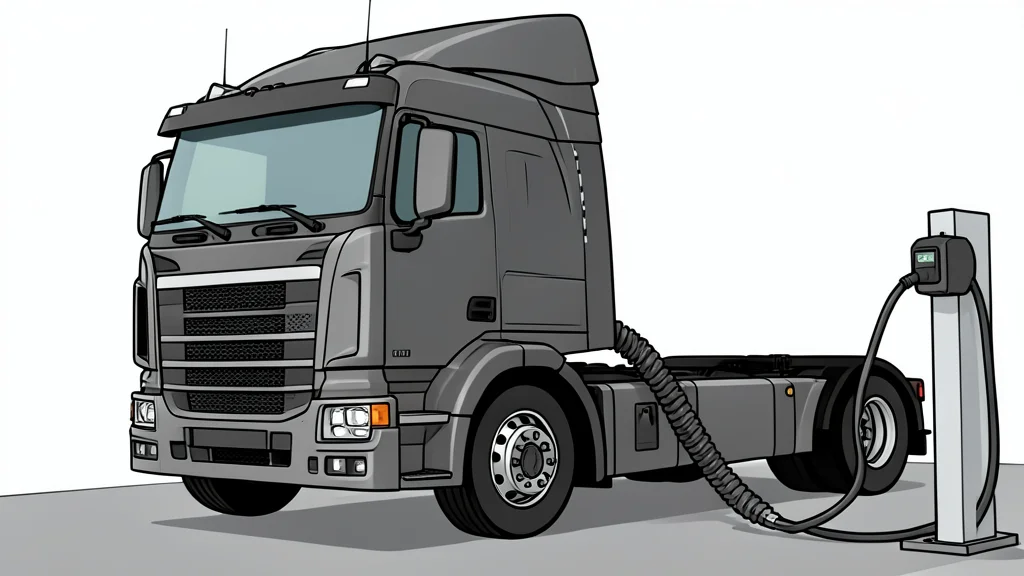
Panelists from Loblaw and R.R. Plett discuss how route planning and charger redundancy solve electric truck range issues.
Key points
- Fleet leaders stress that optimizing routes and driver habits is crucial for electric truck success.
- R.R. Plett operates five fast chargers for eight trucks, highlighting the need for charging redundancy.
- A follow-up webinar on October 15 will discuss shared charging depot models in North America.
Canadian fleet leaders shared their experiences with electric trucks in a recent webinar. The session was hosted by Electric Autonomy earlier this month.
Experts from Loblaw, R.R. Plett Trucking, and Volvo Canada joined the discussion. They focused on practical challenges of running these vehicles commercially.
Route planning beats diesel habits
Success depends on adapting driving styles to electric vehicles. Drivers must use regenerative braking to extend the range of their trucks.
Fleets should not expect electric trucks to mimic diesel operations. Instead, they must optimize routes for the specific strengths of the technology.
Charging infrastructure requires redundancy
Range and charging time remain the biggest limitations for operators. Loblaw manages this by using opportunity charging during the day.
R.R. Plett runs five DC fast chargers for eight trucks. This creates a risk if one charger fails, as there is no backup fuel station nearby.
Loblaw maintains a roughly one-to-one plug-to-truck ratio. This approach ensures that every vehicle has a dedicated charging point available.
Future webinars explore shared depots
Another free webinar is scheduled for October 15. It will examine the shared depot model for commercial electric vehicle charging.
The event will compare different charging hub arrangements in Canada and the U.S. Panelists will include representatives from EV Realty and PowerON Energy Solutions.