China Sets 2030 Target for Heavy Truck Electrification
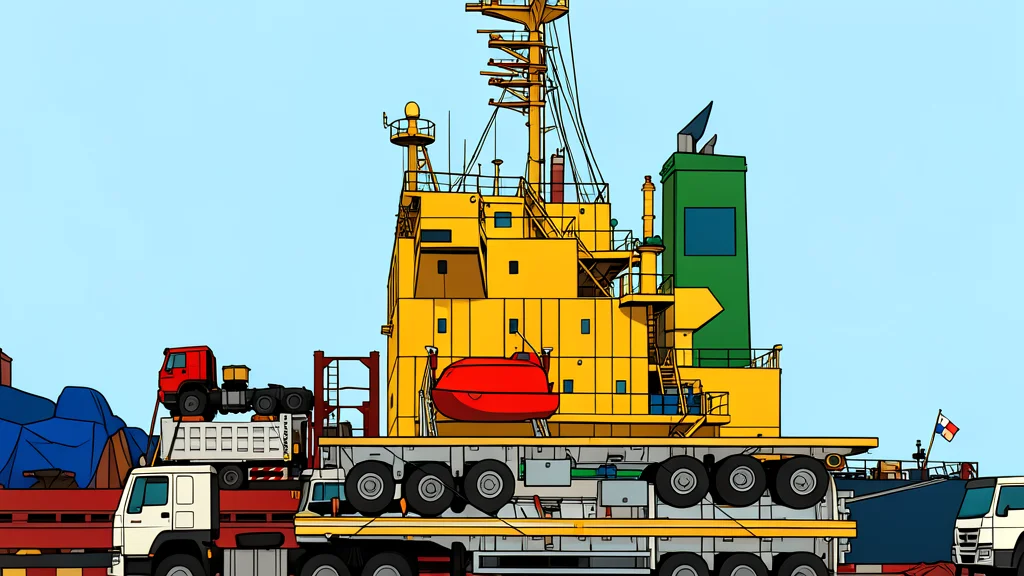
China aims to have 1.6 million electric heavy trucks on the road by 2030, driven by new subsidies and a push to cut transport emissions. However, range limitations for long-haul loads remain a significant hurdle.
Shiyan, a city in central China known for manufacturing heavy truck components, is witnessing a shift away from diesel. While electric passenger cars now dominate the Chinese market with over 60% penetration, heavy trucks have lagged behind. By the end of 2025, only 28% of new heavy truck sales were electric, despite these vehicles accounting for a disproportionate share of transport-related carbon emissions.
The Chinese government has set a concrete goal to address this gap. A joint plan issued by the Ministry of Transport and ten other agencies targets a 40% market share for electric heavy trucks by 2030. This initiative aims to place 1.6 million electric trucks on Chinese roads, marking a significant step in decarbonizing the logistics sector. According to GN auto tech/ev: electric vehicle, this move is crucial for reducing the air pollution that has historically plagued industrial cities like Shiyan.
Subsidies Drive Rapid Market Growth
Financial incentives have been the primary engine behind this acceleration. Government trade-in schemes have offered substantial subsidies, rising from 80,000 yuan in 2024 to 140,000 yuan in 2025. Some localities, such as Hangzhou, have added further incentives worth up to 190,000 yuan. Yang Biqing, an analyst at Ember, notes that these policies have significantly boosted sales, moving the market from less than 1% penetration in 2021 to nearly 30% in just four years.
Range Limits Hauling Capabilities
Despite the sales growth, a technical trade-off remains. Heavy trucks are often used for long-distance freight, requiring large energy storage that current battery technology struggles to provide efficiently. While short-haul and regional distribution are seeing rapid adoption, long-haul routes still rely heavily on diesel or hydrogen. The high energy density of fossil fuels makes them difficult to replace with batteries for the most demanding logistics tasks, limiting the immediate scope of electrification.
Industry Adapts to New Standards
Manufacturers in regions like Hubei are adjusting their production lines to meet these new demands. Local firms are researching hydrogen and LNG alternatives alongside electric options to cover different use cases. The government’s earlier focus on air quality and carbon peaking has created a regulatory environment that favors alternative fuels. For workers in the sector, this transition means a shift from traditional diesel maintenance to managing complex battery and charging infrastructure, reshaping the skills required in the industry.