High Gas Prices Shift American Interest Toward Electric Vehicles
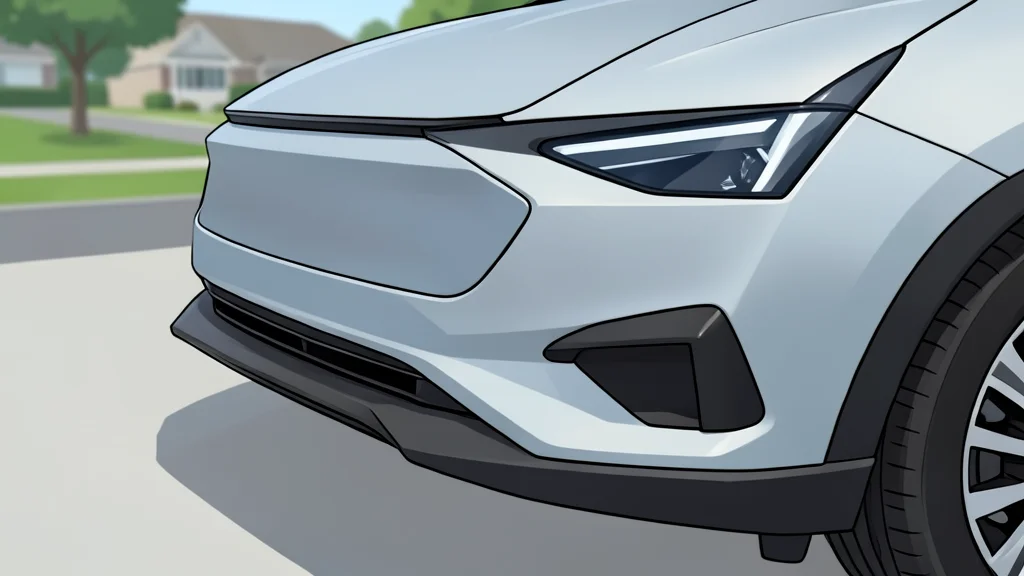
Rising fuel costs are driving a significant portion of US drivers to reconsider their vehicle choices, despite the removal of federal financial incentives.
A growing number of American drivers are actively considering the switch to electric vehicles, primarily driven by the persistent rise in gasoline prices. This shift in consumer sentiment is occurring even after the federal government ended the $7,500 tax credit that previously helped offset the higher upfront cost of these cars. The primary motivator is no longer just environmental concern or technological novelty, but direct financial pressure at the pump.
According to data cited by GN auto tech/ev, more than half of surveyed drivers are now thinking about going electric specifically because of fuel costs. This trend suggests that the total cost of ownership, including lower energy expenses and reduced maintenance, is becoming a more visible factor in purchasing decisions. While the removal of subsidies raises the initial price barrier, the long-term savings on fuel are increasingly compelling enough to overcome that hurdle for many households.
Consumer confidence in charging expands
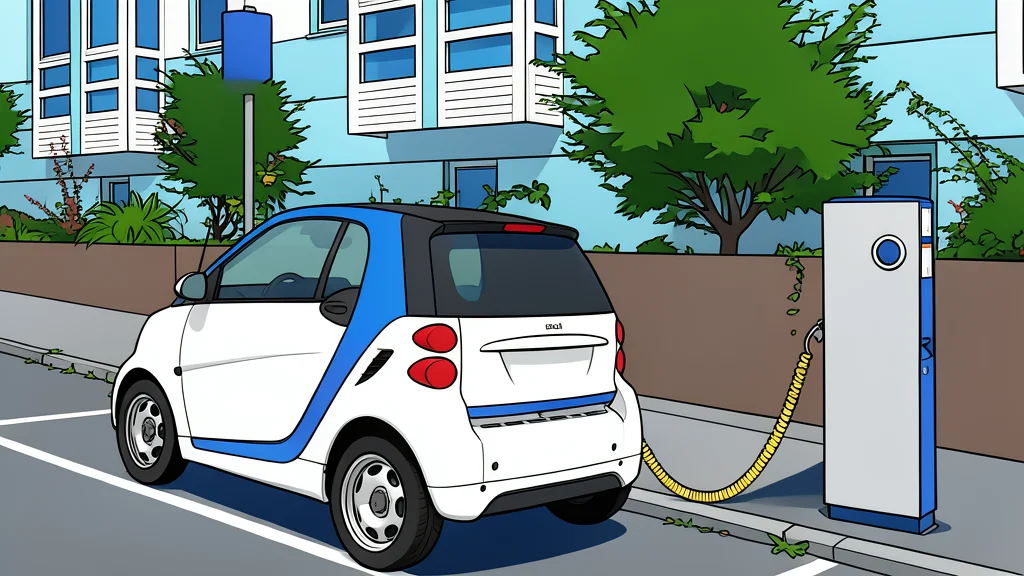
One of the traditional barriers to electric vehicle adoption was the anxiety over finding a charger. However, recent surveys indicate that this concern is fading rapidly. The percentage of respondents who believe there is sufficient charging infrastructure available has nearly doubled in a single year, rising from about 28 percent to 47 percent. This growth is attributed to both the expansion of public charging networks and the fact that modern electric cars now offer significantly more range than older models.
For existing owners, the perception is even more positive, with roughly 85 percent stating that current infrastructure is adequate for their needs. This suggests that the gap between potential buyers and current users is narrowing. As more people research the technology, the perceived complexity of daily charging is diminishing, making the switch feel more like a routine part of car ownership rather than a logistical challenge.
Regulatory shifts alter manufacturer incentives
The regulatory environment for automakers has changed significantly in the United States. Federal fuel efficiency and carbon emission standards have been relaxed, reducing the mandatory pressure on car companies to produce large volumes of electric vehicles. This creates a complex market dynamic where consumer demand is rising due to fuel prices, but the regulatory push for electrification is weaker than in previous years.
This creates an opportunity for manufacturers who remain committed to expanding their electric lineups. As the market becomes more segmented, companies that continue to invest in electrification may capture a larger share of the growing pool of interested buyers. The trade-off for consumers is that they may have fewer policy-driven options to choose from, relying instead on market-driven availability and pricing strategies.
Economic factors drive the decision
The core driver of this shift remains the cost of gasoline. Analysts note that the extra cost of fuel over the life of a conventional car can amount to several hundred dollars compared to an electric vehicle. When this is combined with the lower maintenance costs of electric cars, which have fewer moving parts, the financial argument for switching becomes stronger for the average driver.
While political rhetoric often attributes gas price spikes to various external conflicts or market forces, the practical impact on consumers is straightforward: fuel is expensive. This reality is prompting a more pragmatic view of vehicle ownership. The result is likely to be a gradual increase in electric vehicle sales in the coming years, driven less by ideological support and more by the simple math of saving money on energy and maintenance.