Colombia's Electrified Vehicle Sales Reach Historic 50.6% Market Share
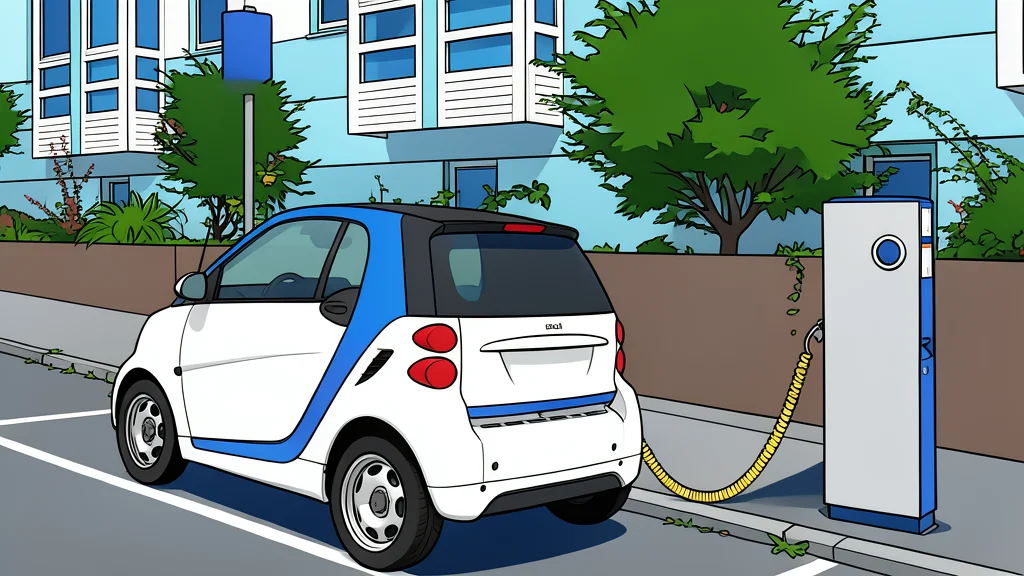
New data reveals that electric and hybrid vehicles have surpassed half of all new car registrations in Colombia, signaling a major shift in consumer preference and market dynamics.
Colombia’s automotive landscape has shifted decisively toward electrification, with electric and hybrid vehicles accounting for a record 50.6% of all new registrations in August. This milestone indicates that more than half of the cars entering the market now run at least partially on electricity, marking a significant departure from previous years where gasoline-only models dominated.
The surge is driven by strong year-over-year growth in both categories, with fully electric vehicles nearly tripling their numbers. However, the transition is not uniform across the country or between vehicle types. Hybrids remain the more common choice for buyers, while pure electric cars are growing at a faster percentage rate from a smaller base. This divergence highlights a market in transition, where cost savings and infrastructure availability are shaping consumer decisions.
Hybrids Lead While Electrics Grow Faster
In August, Colombia registered 4,542 new fully electric vehicles, representing a 176% increase compared to the same month last year. These vehicles made up 16.7% of total registrations. In contrast, hybrid vehicles saw a more moderate but still substantial 51.6% growth, reaching 9,195 units and capturing 33.9% of the market. The data suggests that while electric cars are gaining momentum, hybrids continue to offer a compelling balance for consumers who may not yet have reliable access to home charging or who require longer range without frequent stops.
Growth Spreads Beyond Major Cities
The expansion of electrified vehicles is no longer confined to Bogotá or Medellín. Smaller cities are recording dramatic percentage increases in registrations, with La Calera seeing a 2,633% jump in electric vehicle sales and Tunja reporting a 550% rise. Hybrids show a similar pattern, with Girardot leading the country at a 608% increase. These figures indicate that interest in alternative powertrains is spreading to regional markets, although high percentage growth often reflects a small starting base rather than large absolute volumes.
Cost and Infrastructure Drive the Shift
Lower operating costs are a primary driver behind this trend, as charging an electric vehicle is significantly cheaper than filling a tank with gasoline. However, the trade-off remains infrastructure reliability. While the market share for electrified vehicles has hit new highs, the uneven distribution of charging stations continues to influence which vehicle type buyers choose. The data from GN auto tech/ev: electric vehicle sources confirms that the shift is real but still evolving, with hybrids serving as a bridge for many drivers who are not yet ready to commit fully to battery-only technology.