Chinese EV Makers Hit 62% Global Share as Home Market Slows
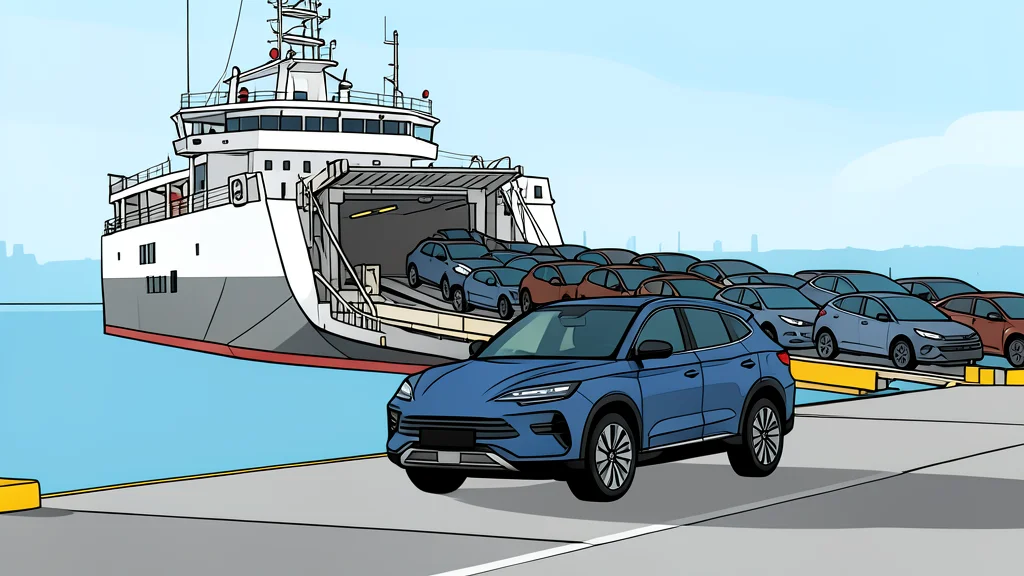
Chinese automakers have captured over 60% of the global electric vehicle market, driven by strong exports that offset a significant drop in domestic sales.
Chinese electric vehicle manufacturers have secured a dominant position in the global market, with their combined share of electrified vehicle sales exceeding 62% in the first half of the year. This surge in international influence comes despite a noticeable contraction in their home market, where sales fell by 14%. The industry is effectively using its rapid expansion in Europe and emerging markets to counterbalance the slowdown in China.
According to a report cited by GN auto tech/ev: electric vehicle, global sales of battery electric and plug-in hybrid vehicles reached 8.85 million units from January to June. While battery electric vehicles saw a 10% increase, plug-in hybrids dropped by 12% due to stricter subsidy requirements in China and the expiration of incentives in the United States. This shift highlights a growing reliance on pure battery technology as the primary driver of global adoption.
Regional markets show polarized growth
Sales trends are diverging sharply across different regions. In China, the reduction of purchase tax benefits and tighter subsidy criteria led to a decline in demand. The United States experienced an even steeper drop of nearly 29% as federal purchase incentives expired, weakening consumer confidence in the sector. These contractions in the two largest traditional markets have created a vacuum that other regions are now filling.
Europe, however, posted a 31.7% increase in sales, driven by the return of subsidies in countries like Germany and France. Emerging markets such as India, Thailand, and Brazil also saw robust growth, with sales rising by over 85%. This expansion is fueled by local production efforts and government support for automotive industries, providing a new axis for global vehicle distribution.
Six Chinese groups lead global rankings
Despite domestic challenges, six Chinese automakers now occupy the top ten spots in global sales. BYD leads the pack with 2.29 million units, followed closely by Geely Group. Other major players include SAIC Motor, Chery, Leapmotor, and Changan, all of which have expanded their international footprints through exports and localized manufacturing. This strategy allows them to maintain growth even when their home market stagnates.
Western competitors like Tesla and Volkswagen also saw sales increases, but their relative market share has diminished compared to the Chinese cohort. Tesla ranked third with 1.02 million units, while Volkswagen placed fifth. The rapid rise of Chinese brands indicates a structural shift in the global automotive hierarchy, where cost efficiency and export volume are key competitive advantages.
Trade-offs in global expansion strategies
The reliance on overseas markets to offset domestic slumps presents both opportunities and risks. While exports provide immediate revenue, they also expose manufacturers to volatile trade policies and tariff changes in destination countries. Furthermore, the intense competition in emerging markets may lead to price wars that erode profit margins. For consumers, this competition drives down prices, but it also raises questions about the long-term sustainability of such aggressive market penetration.
As the global market continues to evolve, the balance between domestic stability and international expansion will be critical. The current trend suggests that Chinese manufacturers are successfully leveraging their scale to dominate new territories, but they must navigate complex regulatory landscapes to sustain this momentum. The coming months will test the resilience of these strategies as policy environments continue to shift.