Toyota Seeks Hybrid Inclusion in Vietnam's Green Transport Plans
Toyota is urging Vietnamese regulators to treat self-charging hybrids as equal to battery-electric cars in low-emission zones, a move that could reshape the country's automotive strategy and manufacturing landscape.
Toyota Vietnam has formally requested that self-charging hybrid vehicles be granted the same preferential access as battery electric vehicles (BEVs) in Ho Chi Minh City's planned low-emission zones. The proposal, made by General Director Hirata Osamu at a recent cooperation forum in Hue, aims to ensure that hybrids are not excluded from future traffic regulations simply because they still use petrol engines. If accepted, this change would allow a wider range of consumers to drive greener cars without the current restrictions on hybrid technology.
The carmaker argues that hybrids significantly reduce fuel consumption and carbon emissions without requiring drivers to alter their daily habits or rely on external charging infrastructure. Hirata emphasized that assessing vehicles based on actual CO2 output, rather than engine size, provides a fairer measure of environmental impact. This approach accounts for the fact that the overall carbon footprint of a vehicle depends heavily on the energy mix used to generate electricity, making emission-based taxes a more logical policy tool for Vietnam's green transition.
Government weighs tax reform proposal
The Vietnamese government has responded to Toyota's request by directing the Ministry of Finance to study the implications of shifting the special consumption tax regime. Currently, this tax is largely based on engine displacement, which disadvantages larger hybrid engines. The Ministry is tasked with reporting back to the government in October regarding a potential move toward a CO2-based tax structure. This administrative step signals that the debate over how to classify and incentivize different types of electric vehicles is entering a critical phase in Vietnam's regulatory framework.
According to reports from GN auto tech/ev: electric vehicle, this policy push is part of a broader strategy by Toyota to deepen its local presence. The company recently secured an amended investment certificate for its manufacturing plant in Phu Tho province, adding the production of electrified vehicles to its official objectives. By advocating for hybrid-friendly policies, Toyota is aligning its regulatory lobbying with its industrial strategy, seeking a market environment that supports both its current product lines and its future manufacturing ambitions.
Major capital injection into local assembly
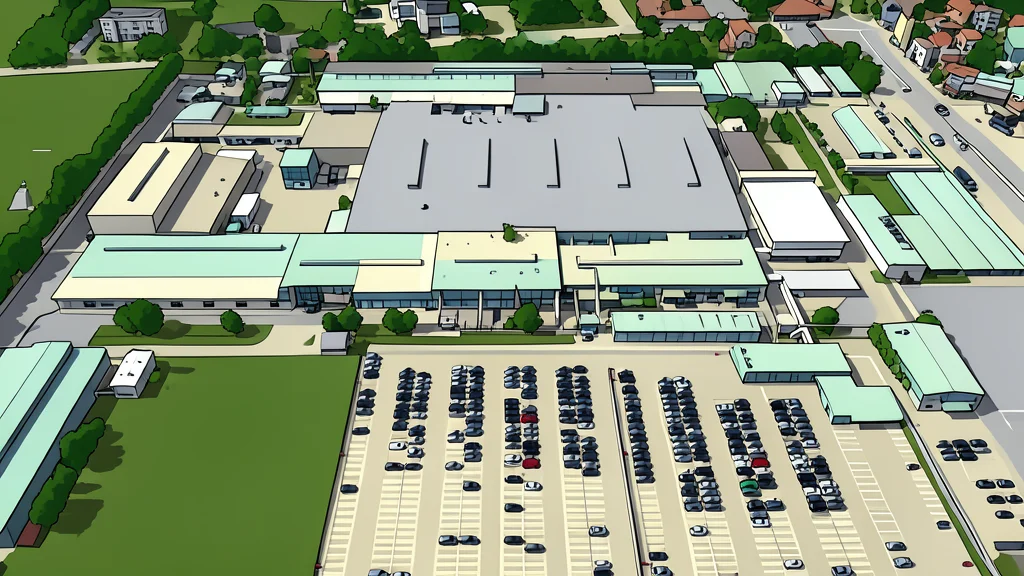
Toyota has registered an additional 283.7 million dollars in capital for its Phu Tho manufacturing project, which covers more than 28.6 hectares. The expansion plans include new stamping and painting workshops, with construction slated to begin in May 2027 and full operations expected by 2029. This infrastructure is designed to support the production of approximately 52,000 vehicles annually, marking a significant shift from importing complete units to assembling models locally. The move allows Toyota to control supply chains and costs more effectively while supporting the local industrial ecosystem.
This investment represents a strategic pivot for Toyota in the Vietnamese market, where many popular hybrid models have previously been sold as complete imports. By establishing domestic assembly capabilities, the company aims to create a local component ecosystem and reduce dependency on imported parts. However, the trade-off is significant: producing hybrid vehicles via complete knock-down methods requires more sophisticated assembly and testing systems compared to traditional internal combustion engines. This necessitates specialized workforce training and higher precision in manufacturing processes to ensure the integration of petrol engines, electric motors, and battery systems meets quality standards.
Market dynamics favor battery electric growth
The push for hybrid recognition occurs against a backdrop of accelerating growth for battery electric vehicles in Vietnam. Data from the Ministry of Industry and Trade indicates that over 17,500 BEVs were sold in the first half of this year, already surpassing the total of 15,670 units recorded for all of 2023. The majority of these vehicles were domestically manufactured or assembled, highlighting the rapid shift in consumer preference and production focus. As the market for EV charging infrastructure expands, with estimates suggesting the domestic charging station market could reach nearly half a billion dollars by 2034, the competitive landscape is becoming increasingly defined by pure electric technology.
For carmakers like Toyota, the challenge is balancing immediate market demand for BEVs with the long-term benefits of hybrid technology. While BEVs offer zero tailpipe emissions, they require robust charging networks and consumer adaptation to new usage patterns. Hybrids, by contrast, offer a transitional path that reduces emissions without these infrastructure dependencies. The outcome of the government's review of tax and traffic policies will determine whether Vietnam adopts a dual-track approach that supports both technologies, potentially offering consumers more choice and providing manufacturers like Toyota a stable pathway for its local production strategy.