Galaxy S27 Ultra Likely to Keep Its Current 5x Zoom Hardware
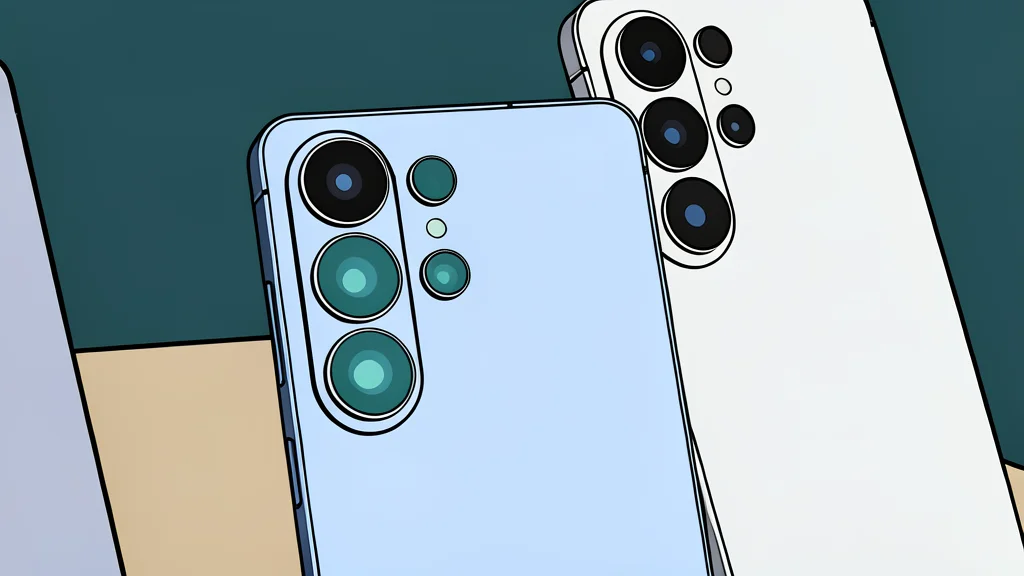
New reports suggest Samsung is abandoning plans for a larger telephoto sensor in its next flagship phone, opting instead to retain the existing 5x periscope camera system.
Samsung may be sticking with the familiar hardware for the upcoming Galaxy S27 Ultra, despite earlier speculation about a significant upgrade to its zoom capabilities. Recent reports indicate that the phone will likely retain the 5x periscope camera found in recent models, rather than adopting the new 4x telephoto system that was rumored to feature a much larger sensor. This decision points to a strategy of relying on proven technology over risky new components.
The shift away from the rumored 4x module suggests that Samsung is prioritizing cost efficiency and production stability. By keeping the existing 5x unit, the company avoids the substantial expenses associated with developing new optics and tuning a larger sensor. For consumers, this means the zoom performance will remain consistent with current Ultra models, even if the internal hardware does not change.
Rumors point to retained hardware
According to reports from Android Central, a reliable tipster has claimed that the previously rumored 50-megapixel 4x telephoto camera with a 1/1.9-inch sensor is unlikely to appear in the final device. Instead, the Galaxy S27 Ultra is expected to feature a 5x periscope camera with a 1/2.52-inch sensor, which is nearly identical to the component used in current iterations. This would effectively mean that the dedicated 3x telephoto camera may be removed entirely, leaving the 5x unit as the sole dedicated zoom hardware.
This configuration simplifies the camera array while maintaining the optical zoom range that users expect from the Ultra line. The 5x periscope design allows for sharp images at extended distances, and the remaining zoom levels can be handled by cropping from the high-resolution main sensor. This approach reduces the complexity of the camera module and ensures that the system remains compatible with Samsung’s existing image processing algorithms.
Cost and practicality drive decision
There are practical financial reasons behind this choice. Implementing a new 4x system with a larger sensor would require significant investment in sensor development, optical design, and production tuning. If the performance gains are not dramatic enough to justify the cost, sticking with proven hardware is a more economically sound decision for the manufacturer. This strategy allows Samsung to keep the price of the device competitive while ensuring that the camera system is stable and reliable at launch.
Furthermore, the 5x module already fits well within Samsung’s current camera strategy. It provides a solid baseline for optical zoom, and the company’s software is well-optimized to handle the transition from optical to digital zoom. By avoiding a major hardware overhaul, Samsung reduces the risk of software bugs or image quality issues that often accompany new camera systems. This conservative approach ensures a smoother user experience for early adopters.
Trade-offs in zoom performance
However, this decision comes with trade-offs. A larger 1/1.9-inch sensor would have offered better low-light performance, improved dynamic range, and cleaner images at higher magnifications compared to the smaller 1/2.52-inch sensor. By sticking with the smaller sensor, the Galaxy S27 Ultra may not see significant improvements in these areas. Users who prioritize low-light zoom or high-magnification detail might find the performance similar to current models rather than a step up.
The real test for Samsung will be its image processing capabilities. If the company’s software can effectively compensate for the smaller sensor size, the final product may still deliver impressive results. However, if the processing is not advanced enough, the removal of the 3x camera and the retention of the older 5x hardware could be seen as a reduction in specifications. As multiple prototypes are reportedly under evaluation, the final camera setup is not yet set in stone, and Samsung has the opportunity to change course before the official launch.