Ford Selects Apple Maps over Google for New Electric Vehicles
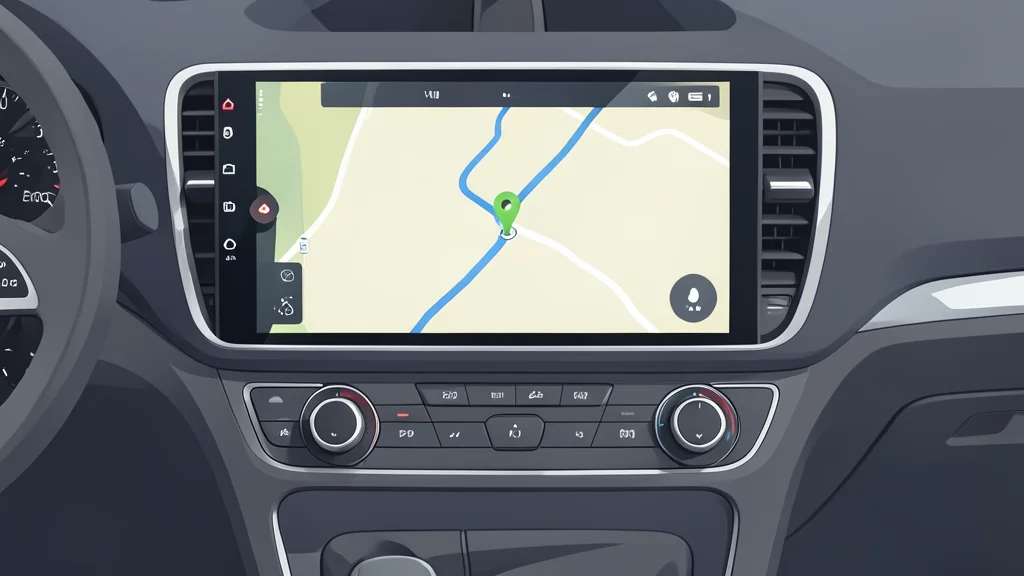
Ford is embedding Apple Maps directly into its upcoming affordable electric trucks, bypassing Google to offer a native navigation experience that works without a smartphone connection.
Ford has chosen Apple Maps as the standard navigation system for its next generation of affordable electric vehicles, marking a significant shift away from the industry-standard reliance on Google. This integration will arrive with the company's Universal Electric Vehicle platform in 2027, starting with a midsize truck priced around $30,000. The decision means drivers will have access to a built-in mapping experience that functions independently of any connected smartphone.
According to GN auto tech/ev, this move is driven by specific technical advantages for electric vehicles. Apple’s system offers charging-aware routing and battery preconditioning, ensuring the vehicle is prepared for charging stops before they occur. While this provides a seamless user experience, the trade-off is a tight coupling with Apple’s ecosystem, though Ford has stated it will not lock users into a single platform.
Native navigation without a phone
The primary benefit of this integration is that Apple Maps will operate as the car’s own brain for navigation, rather than merely projecting a phone screen. Drivers will receive turn-by-turn directions, live traffic updates, and detailed location cards directly from the vehicle’s interface. This removes the dependency on having an iPhone connected via Bluetooth or Wi-Fi to get basic wayfinding, a common friction point in modern cars.
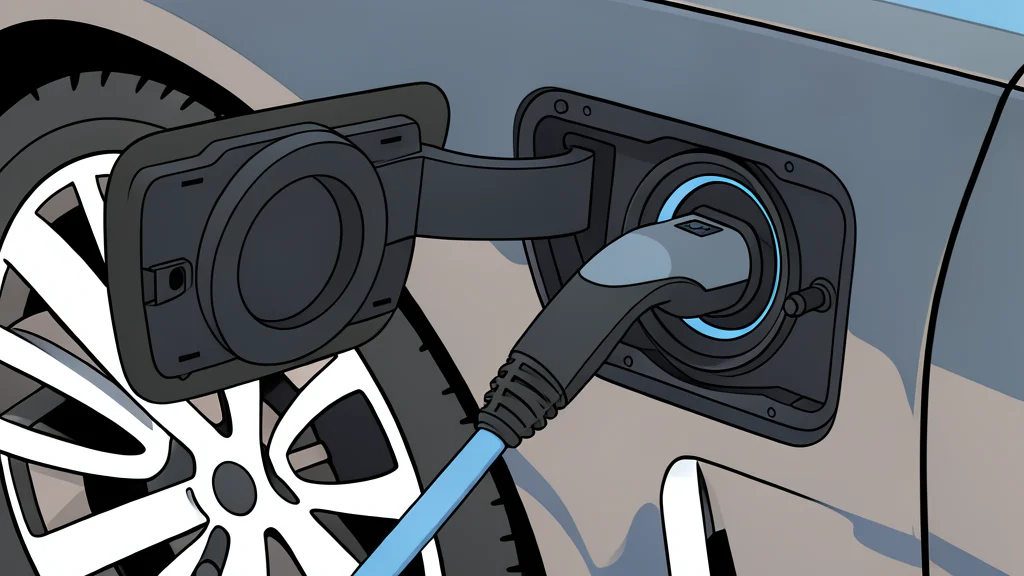
For electric vehicles specifically, the system calculates routes based on real-time battery levels and charger availability. It also handles battery preconditioning, warming or cooling the battery pack as the car approaches a charger to maximize charging speed. This level of integration requires deep access to the vehicle’s energy management systems, which is a key reason Ford selected this platform over others.
Why Ford passed on Google
The choice to skip Google is notable, as many automakers rely on Google’s mapping data or Android Automotive. Ford executives stated that they evaluated Apple, Google, and other providers based on cost, data quality, and flexibility. Apple won out because it offered more control over vehicle-specific details like range calculations and charging logic. Ford’s advanced projects team found that Apple was more willing to collaborate on these technical aspects.
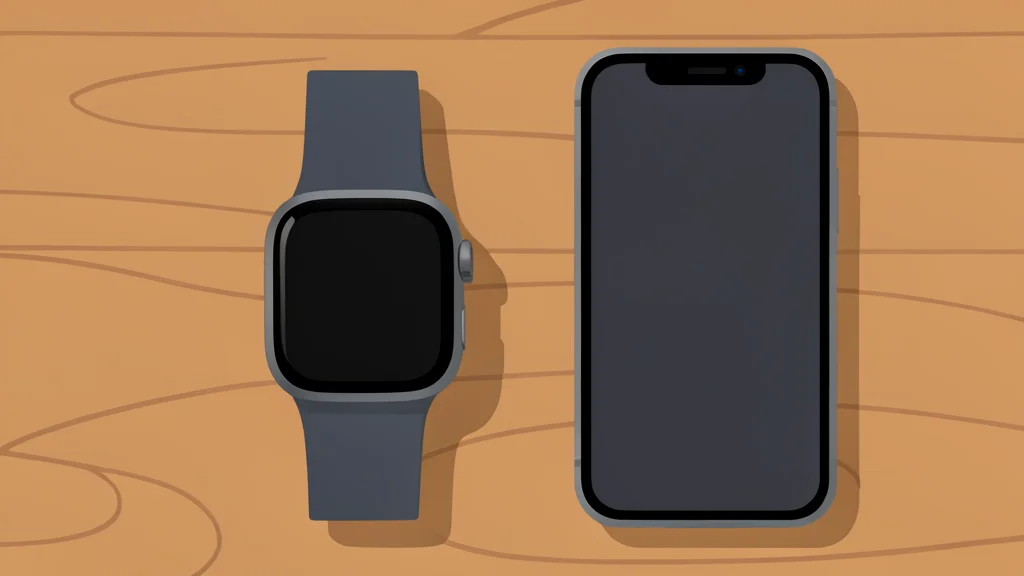
However, this does not mean Google is entirely out of the picture. Ford plans to keep Android Auto and standard CarPlay available in these vehicles. This means drivers can still project Google Maps or Waze from their phones if they prefer those interfaces. The native Apple Maps installation is an additional option, not a replacement for existing smartphone mirroring features.
Privacy and future compatibility
A key selling point for Apple is its privacy model. Location data and map activity within the car are not collected in a way that can be tied back to an individual driver. This addresses a common concern among consumers who are wary of their driving habits being tracked by tech giants. Ford has also indicated that this technology could eventually expand beyond the initial electric truck platform to other models.
The long-term goal is to create a cohesive driving experience where navigation, charging, and driver assistance systems work together seamlessly. Ford’s BlueCruise hands-free driving system will also utilize this high-quality map data to improve its performance. While the initial launch is limited to the 2027 electric truck, the underlying architecture suggests this navigation standard could become a broader part of Ford’s future vehicle lineup.