Hainan Bets on Space Launches to Diversify Economy

China is transforming its coastal province of Hainan into a major aerospace hub, aiming to reduce reliance on tourism by building a complete rocket manufacturing and launch ecosystem.
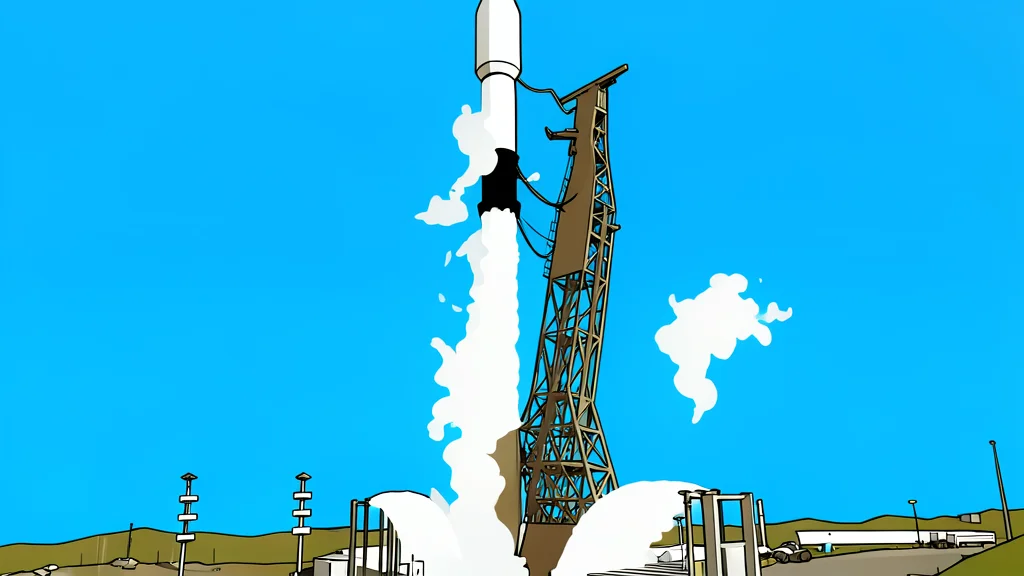
On the northeastern coast of Hainan, the landscape of coconut palms and open sky is increasingly punctuated by towering steel structures. Wenchang, a city historically known for its agriculture and emigration to Southeast Asia, has become the focal point of China's commercial space ambitions. The presence of an 83-metre service tower and four slender lattice towers at Pad 1 signals a shift in the region's economic identity. These facilities are not merely static monuments; they are the infrastructure for a growing cluster of aerospace activities that officials hope will drive long-term growth.
The motivation behind this expansion is economic diversification. For decades, Hainan’s economy has leaned heavily on tourism and consumer services. By fostering a local ecosystem that includes rocket factories, supercomputing centers, and satellite businesses, the province is attempting to insulate itself from the volatility of the travel sector. As reported by South China Morning Post, this strategy represents a broader national push to become a major player in the renewed era of space exploration.
Infrastructure adapts to tropical challenges
Building a spaceport in a tropical coastal environment presents specific engineering hurdles. The design of the launch site in Wenchang reflects a practical response to local weather patterns. The four slender steel lattice towers surrounding the main service structure are engineered to protect the facility from lightning, a frequent risk during the region’s tropical storms. This integration of weather-specific safety features into the core infrastructure demonstrates how geographic constraints have been turned into design requirements for the new aerospace industry.
Economic shift beyond tourism
The transition from a service-based economy to one that includes high-tech manufacturing is a significant structural change. The growth of satellite businesses and computing centers in the province suggests a move toward higher-value industries. While the launch sites themselves are the most visible symbols of this change, the underlying goal is to create a self-sustaining industrial base. This approach aims to retain value within the local economy rather than exporting it, providing a more stable foundation for long-term development than seasonal tourism revenues.
Trade-offs in rapid industrialization
However, this rapid transformation comes with notable trade-offs. The construction of heavy industrial facilities and data centers in a province known for its natural beauty and leisure infrastructure raises questions about environmental impact and land use. The presence of gas vents and active testing facilities, even when no mission is scheduled, indicates a constant industrial presence that contrasts with the traditional image of the region. Balancing the economic benefits of a robust aerospace sector with the preservation of the environmental assets that originally attracted tourism remains a complex challenge for local officials.