Fuel Cars Survive on Legacy, Not Innovation
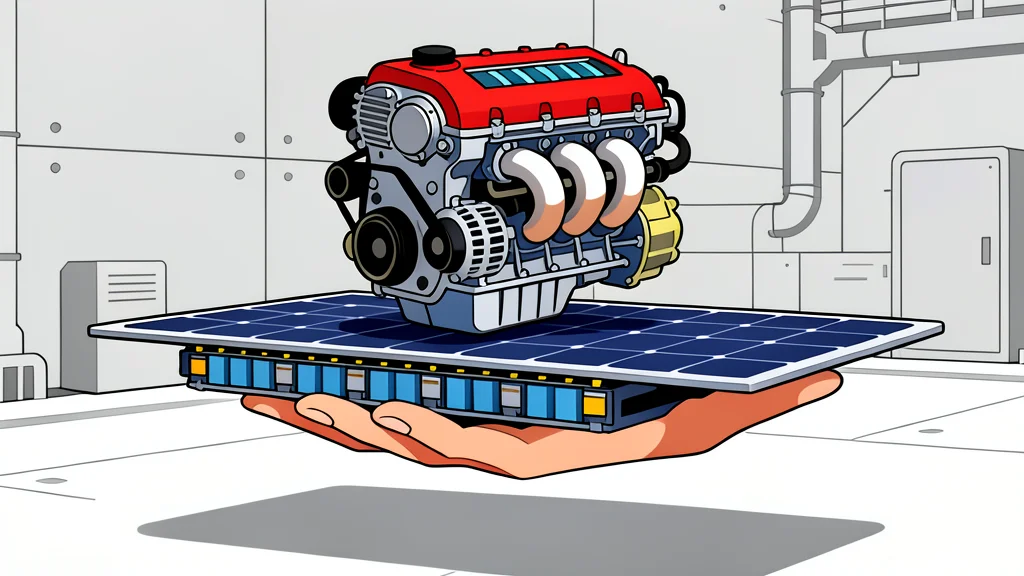
Despite a surge in electric vehicle sales, internal combustion engines are not vanishing. They are simply retreating into a niche supported by existing inventory rather than new development.
The narrative that electric vehicles have completely displaced fuel-powered cars is misleading. While the market share of pure electric models in China has reached a record high, conventional vehicles still account for a significant portion of total sales. This persistence is not driven by consumer preference for the technology itself, but by the inertia of the existing fleet and the specific needs of lower-tier markets.
According to data reported by GN auto tech/ev, wholesale sales of new energy passenger vehicles hit 1.51 million units in August, a 16.4% increase year-on-year. In contrast, fuel vehicle sales dropped by 29% over the same period. However, the absolute numbers for fuel cars remain substantial. The critical shift is not in the volume of sales, but in the direction of industrial investment and future product planning.
Manufacturers Halt New Engine Development
Automakers are no longer building new platforms for internal combustion engines. The development cycle for a new car model takes years, and current industry data shows that R&D resources are overwhelmingly directed toward electric and hybrid architectures. New fuel vehicle models that appear on the market are essentially facelifts of older designs, featuring minor updates like larger screens or mild hybrid systems, rather than genuine technological advances.
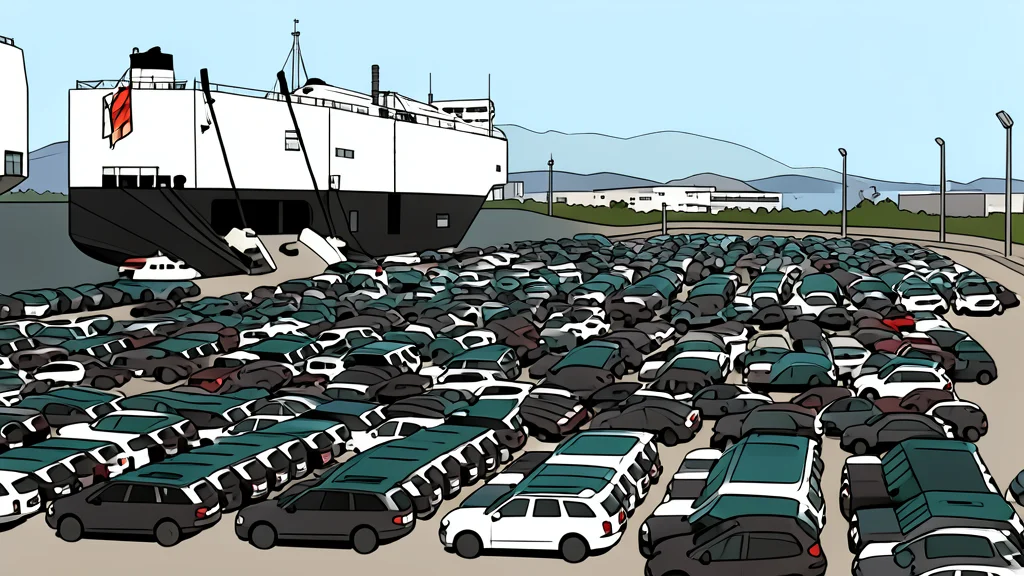
This means that while fuel cars are still being sold, they are not being improved. The industry has effectively closed the door on future iterations of this technology. The remaining stock of fuel vehicles serves to clear out existing inventory and support export markets where charging infrastructure is still limited, rather than serving as a core growth engine for manufacturers.
Market Share Masks Stagnation
A superficial look at market share suggests fuel vehicles are still dominant, as they hold roughly 40% of the market. However, this figure is deceptive because it reflects past investments rather than future intent. The
The presence of these vehicles on the road is a legacy of previous decades. As the industry pivots, the economic rationale for maintaining a parallel development track for combustion engines disappears. The trade-off for consumers is that while fuel cars remain available for purchase, they will likely offer fewer innovative features and less dynamic performance compared to their electric counterparts, which are receiving the bulk of engineering attention.
Legacy Fleet Sustains Demand
The continued sales of fuel-powered cars are driven by practical constraints rather than technological superiority. In regions with underdeveloped charging networks, or for buyers who require long-range capability without the anxiety of battery range limits, the internal combustion engine remains a viable option. This segment is shrinking but remains stable enough to keep production lines running.
Ultimately, fuel vehicles are not dying out in a dramatic fashion; they are fading into a supporting role. They exist to bridge the gap until electric infrastructure becomes ubiquitous. The catch for buyers is that they are purchasing a mature, stagnant technology that will see minimal innovation for years to come, while the competitive energy of the automotive industry flows entirely toward electrification.