Xbox Project Helix Confirms AMD Partnership Without Release Date
Microsoft has revealed that its next-generation hardware, Project Helix, will use custom AMD silicon, but it has provided no launch date or pricing, focusing instead on a broader strategy for cross-platform devices.
Microsoft has taken an unusual approach to its next hardware cycle by revealing the core technology behind Project Helix months before a potential launch, yet it has withheld the details consumers care about most. The company has confirmed that the new system will be built on a custom AMD chip, a partnership that was formalized in mid-2025. However, as of September 2026, there is no release date, no price tag, and no specific technical specifications such as memory capacity or processing power.
This strategy marks a significant departure from previous console launches, where details were often kept secret until the final months before release. According to GN technics/hardware (en-US), this staged disclosure has generated significant search interest, with users frequently looking for concrete dates that remain absent. The gap between what Microsoft has shown developers and what it has told the public is the defining feature of this launch window.
AMD Silicon Powers New Architecture
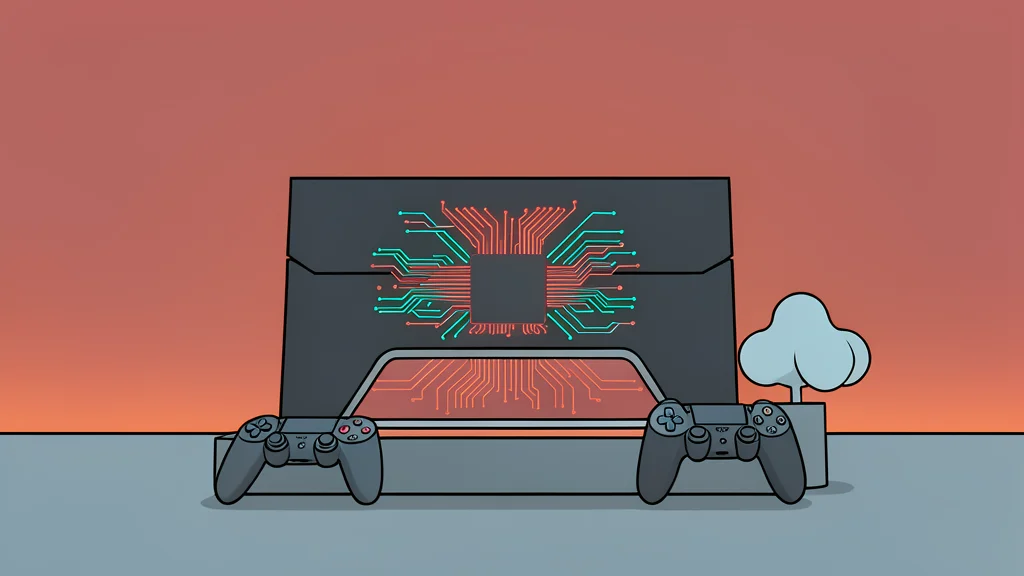
The heart of Project Helix is a custom system-on-chip designed in collaboration with AMD. This is not a standard off-the-shelf component but a co-engineered piece of hardware intended to work seamlessly with a future version of DirectX, Microsoft’s graphics API. The partnership dates back to June 2025, giving the engineering team more than eighteen months of runway before public details emerged at the Game Developers Conference in March.
The focus is on efficiency and visual fidelity rather than raw power numbers. Microsoft claims the new chip will deliver a massive leap in ray tracing performance, which allows for more realistic lighting and reflections in games. It also includes next-generation upscaling technology and improved data compression, which should help games load faster and run more smoothly on various devices.
Shift Toward Multiple Device Forms
Instead of announcing a single box, Microsoft has described Project Helix as a "family of devices." This phrasing suggests that the same core technology may appear in different form factors, potentially including traditional consoles, cloud streaming services, and other hardware. At Gamescom 2026, leadership emphasized that the goal is to revive the Xbox brand by creating a flexible ecosystem rather than relying on a single product definition.
This approach allows Microsoft to test different hardware configurations without committing to a single retail price point. It also blurs the line between gaming consoles and personal computers, as the hardware is designed to run both types of software. For consumers, this means the final product they buy may look very different from the prototypes currently being discussed in the tech press.
Uncertainty Remains for Buyers
The trade-off for this early transparency is a lack of actionable information for shoppers. Without a confirmed price or launch window, it is difficult for players to plan their purchases. The "family of devices" strategy introduces further ambiguity, as it is unclear whether a dedicated handheld or a specific console model will be the primary focus at launch.
Analysts suggest that this extended silence on dates is a deliberate tactic to maintain momentum and allow for further engineering refinements. While the AMD partnership is a confirmed fact, the consumer-facing reality of Project Helix remains in flux. Until Microsoft provides a specific SKU and a calendar date, the project remains a technical preview rather than a product on the shelf.