Geely Unveils 2.2 Megawatt Chargers with Four-Minute Full Charge
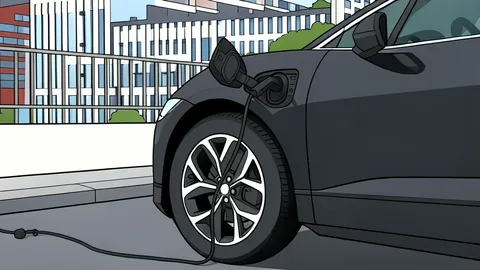
Geely is set to launch a 2.2-megawatt charging system that promises a full battery charge in four minutes, challenging current industry standards.
Key points
- Geely plans to launch a 2.2-megawatt charging system on September 23 that fully charges an EV in four minutes.
- The system uses advanced thermal control to maintain battery health, claiming 3,500 cycles with limited degradation.
- Smart software and battery buffers are used to manage power distribution and prevent grid overload during high-speed charging.
The electric vehicle industry is entering a new phase of rapid acceleration, with Chinese manufacturers pushing the boundaries of charging speed. While traditional norms suggested that a thirty-minute charge was sufficient for daily needs, recent developments have drastically reduced this timeframe. By the end of 2024, major battery suppliers were already delivering cells capable of full charges in ten minutes, setting the stage for even more aggressive performance targets in 2025.
According to reports from autoevolution.com, Geely is preparing to unveil a 2.2-megawatt charging system on September 23. This technology is designed to fully charge an electric vehicle in just four minutes, a speed comparable to refueling a gasoline tank. This move intensifies the competition with BYD, which recently introduced 1-megawatt systems that can add significant range in under five minutes.
Thermal Management Protects Battery Life
A primary concern with ultra-high-power charging is the potential degradation of battery cells due to excessive heat. Geely addresses this by emphasizing advanced thermal control systems that maintain stable temperatures during the charging process. The manufacturer claims that this approach allows the battery to endure 3,500 charge-discharge cycles with limited degradation, ensuring long-term durability despite the intense power input.
This claim of longevity is crucial for consumer confidence, as many drivers still associate fast charging with reduced battery health. By integrating intelligent temperature regulation, Geely aims to demonstrate that high-speed charging does not necessarily come at the cost of component life. This technical distinction positions the new system as a viable long-term solution rather than just a short-term performance boost.
Grid Infrastructure Faces New Demands
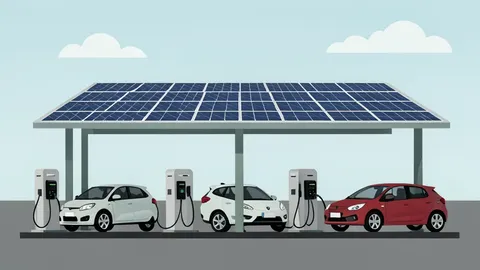
Deploying chargers with such high power output presents significant challenges for electrical grids. Critics argue that widespread adoption could strain local power supplies, particularly in areas with weaker infrastructure. However, manufacturers point to smart management software that can regulate power distribution across multiple charging stalls. This technology ensures that the full 2.2 megawatts are not delivered to every vehicle simultaneously, preventing grid overload.
Additionally, battery buffer systems can store energy to handle peak demand, providing a stable power source even when grid connections are limited. This approach mirrors strategies already employed by other manufacturers to manage high-load scenarios. The practicality of this solution will depend on how well these software and hardware components integrate within existing power networks.
Shifting Standards In EV Performance
The race to reduce charging times has fundamentally changed the expectations for electric vehicle ownership. What was once considered a luxury feature is becoming a baseline expectation in competitive markets. Geely’s 2.2-megawatt system represents the latest step in this trend, aiming to eliminate the time penalty associated with refueling. As other manufacturers respond to these developments, the industry may see a rapid standardization of megawatt-class charging capabilities.
This shift requires not only advancements in battery technology but also significant upgrades to public charging infrastructure. The transition from minutes to seconds for energy transfer is reshaping the user experience and the technical requirements for vehicle design. Consumers will soon have access to options that offer near-instant recharging, provided the supporting infrastructure can keep pace with the hardware.