New York City Expands Curbside EV Charging Network

A new infrastructure deal will expand electric vehicle charging in New York City to 700 locations, targeting drivers who lack private garages and aiming to support the city's climate goals.
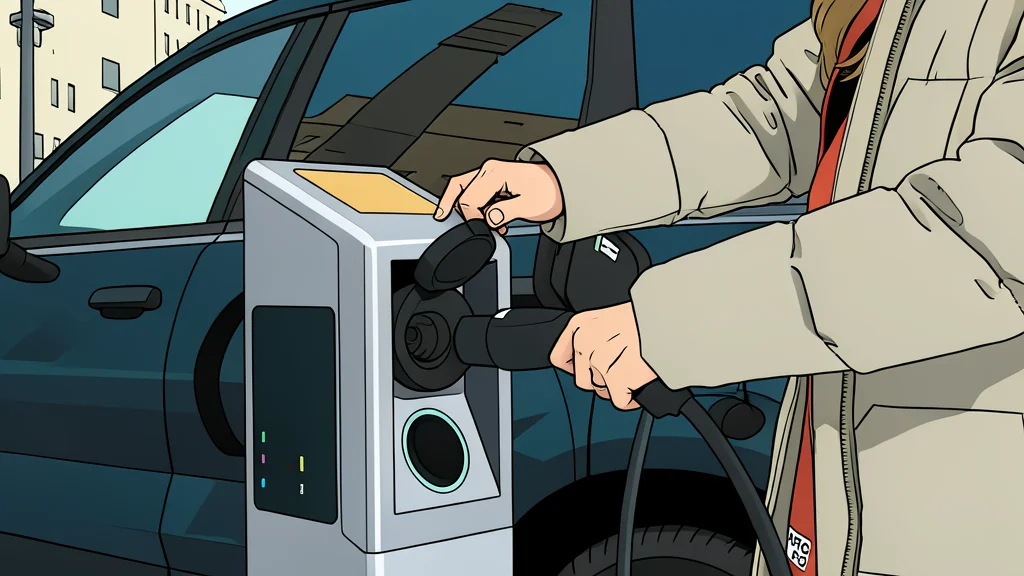
New York City is set to significantly expand its public infrastructure for electric vehicles through a new partnership with it's electric. The company, which is headquartered in Brooklyn and manufactures its equipment in Queens, has been selected to build a permanent network of 700 curbside chargers across all five boroughs. This project will replace the city's current pilot infrastructure, which currently consists of only 88 charging points that are frequently in high demand.
The expansion is designed to address a specific gap in the market: the lack of affordable charging options for drivers who do not have access to private driveways or garages. As reported by GN auto tech/ev: electric vehicle, this initiative targets neighborhoods with high concentrations of rideshare and taxi drivers. By installing chargers directly on the street, the city aims to remove one of the largest barriers preventing these workers from switching from fossil fuel vehicles to electric ones.
Local Manufacturing Drives the Buildout
A key feature of this contract is its commitment to domestic production. The charging units are designed by it's electric in Brooklyn but are manufactured in Queens by Boyce Technologies. This ensures that the physical infrastructure supporting the city's clean transportation future is entirely made in New York. The company hopes this approach will not only improve local air quality but also create jobs and stimulate the local manufacturing economy.
Supporting Rideshare Drivers' Transition
The city is home to more than 80,000 rideshare drivers, most of whom park on the street. For them, the inability to charge at home has been a major obstacle to adopting electric vehicles. The new network is specifically targeted at these areas to make the transition more accessible and affordable. This aligns with the city's Green Rides initiative, which requires that all licensed rideshare trips be electric or accessible by 2030.
Infrastructure for Climate Resilience
The transportation sector is a major contributor to greenhouse gas emissions in New York City. This expansion is a concrete step toward the city's broader goal of reducing emissions by 80 percent by 2050. By treating curbside charging as essential public infrastructure, similar to fire hydrants, the city aims to normalize electric vehicle usage. The project is a collaboration between the Department of Transportation and the New York Power Authority, leveraging public resources to meet the needs of a densely populated urban environment.