NYC to Install Nearly 700 New Curbside EV Chargers
A Brooklyn startup has won the contract to supply hardware for a major expansion of electric vehicle charging in New York City, targeting neighborhoods where home charging is impossible.
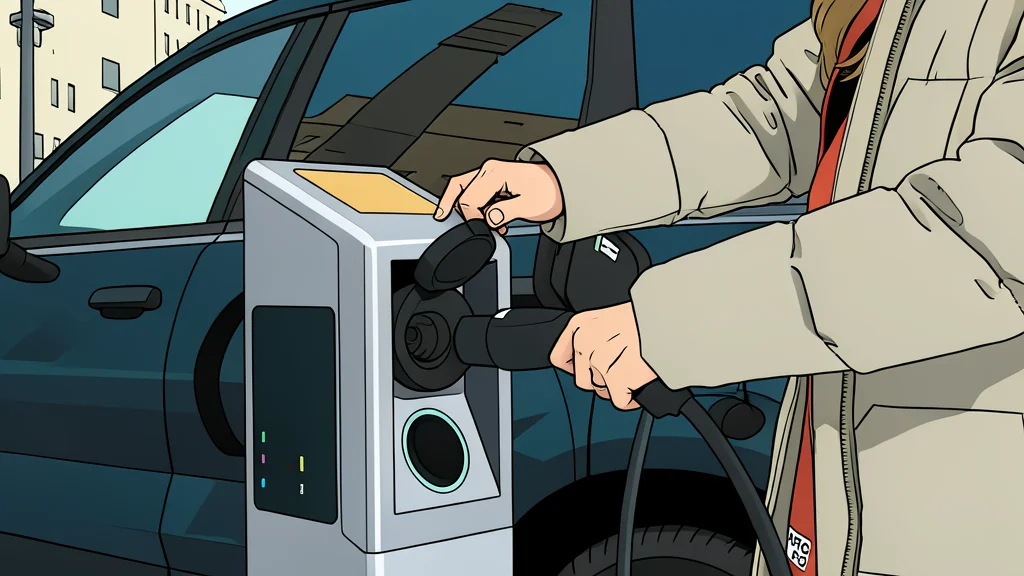
New York City has selected a Brooklyn-based firm named it’s electric to provide the physical hardware for its upcoming permanent curbside charging network. This contract will bring nearly 700 Level 2 charging points to all five boroughs over the next three years, significantly expanding the city's existing infrastructure.
The expansion replaces the current pilot program and adds 600 new charging stations to the 88 already in place. According to reports from Electrek, all chargers will be manufactured in Queens, supporting local industry while addressing the specific needs of residents who rely on street parking.
Targeting areas without home charging
The placement of these stations is strategic rather than random. The city is prioritizing dense neighborhoods where half of car owners park on the street and lack access to a driveway or garage. This makes home charging impossible for many residents, creating a critical gap that curbside infrastructure must fill.
Initial locations include specific areas in the Bronx, Queens, Brooklyn, Manhattan, and Staten Island. These spots were chosen because they have high concentrations of rideshare and taxi drivers. The existing chargers in these areas are already heavily used, with occupancy rates frequently exceeding 70 percent.
Supporting the green rideshare mandate
This buildout directly supports the city's Green Rides initiative, which requires all Uber and Lyft trips to be completed in zero-emission vehicles by 2030. Currently, New York’s rideshare drivers complete approximately three million electric vehicle trips per month, a figure that is expected to grow as more charging infrastructure becomes available.
The new stations will also include infrastructure for other modes of transport. Where space allows, sites will feature electrical connections for e-bikes, secure bike parking, and cargo-bike hubs. This multi-modal approach aims to reduce overall vehicle traffic while providing diverse options for commuters.
Pricing and usage controls remain city managed
While the hardware supplier is private, the city retains full control over pricing and billing. Charges will be based on kilowatt-hours, and drivers can pay via multiple apps or credit cards. The city intends to structure prices to remain affordable while encouraging drivers to move their vehicles once charging is complete to keep the plugs available for others.
The company behind the hardware, it’s electric, recently raised $15 million in new funding. The firm has operated pilots in several major US cities and is now scaling its operations, with a commitment to building every charger for this expansion locally in New York.